
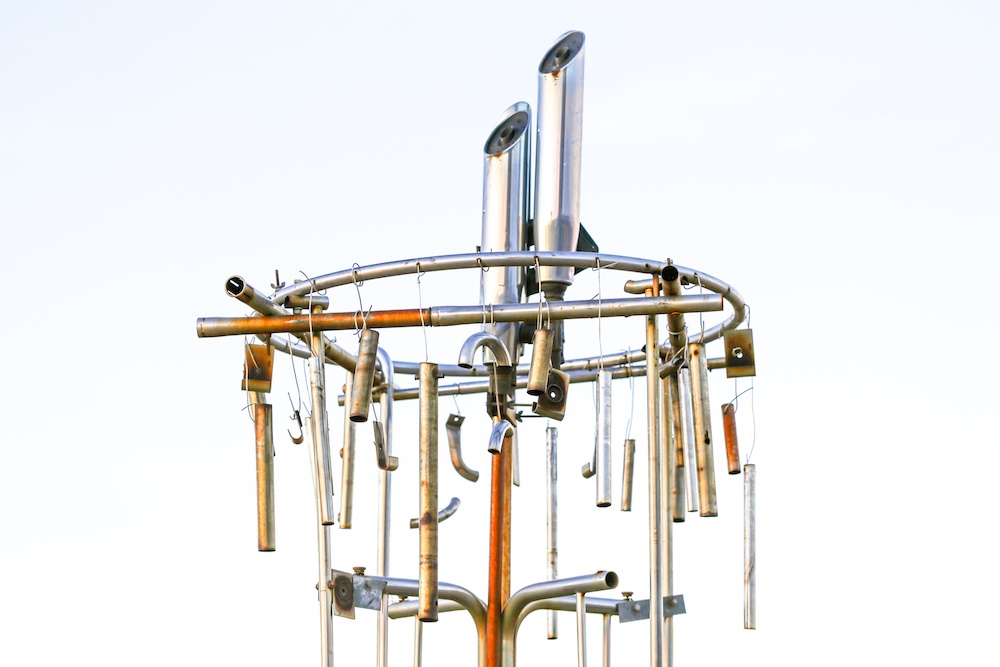
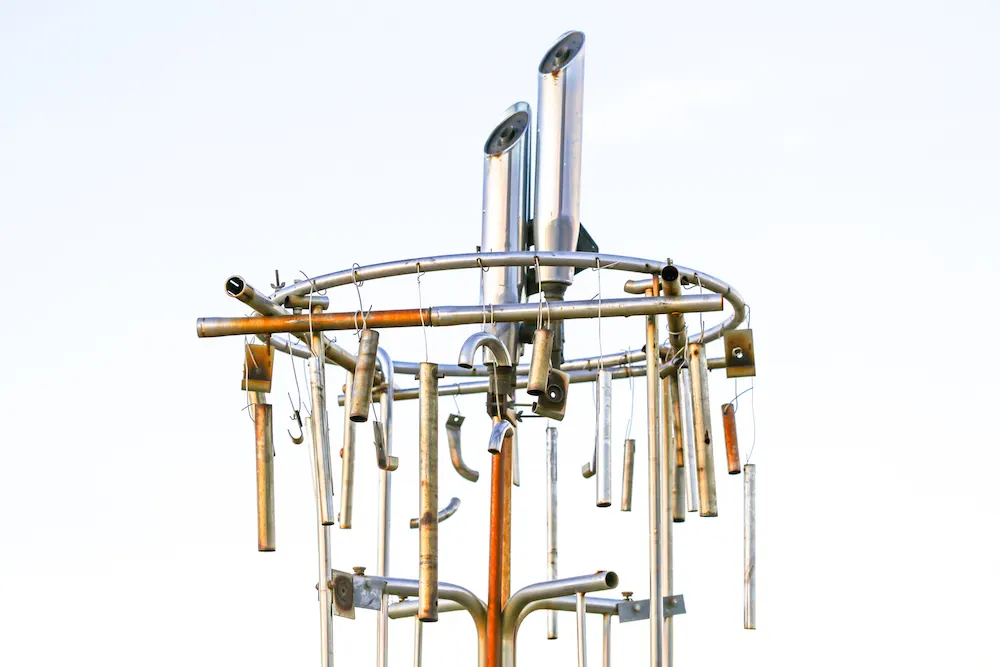
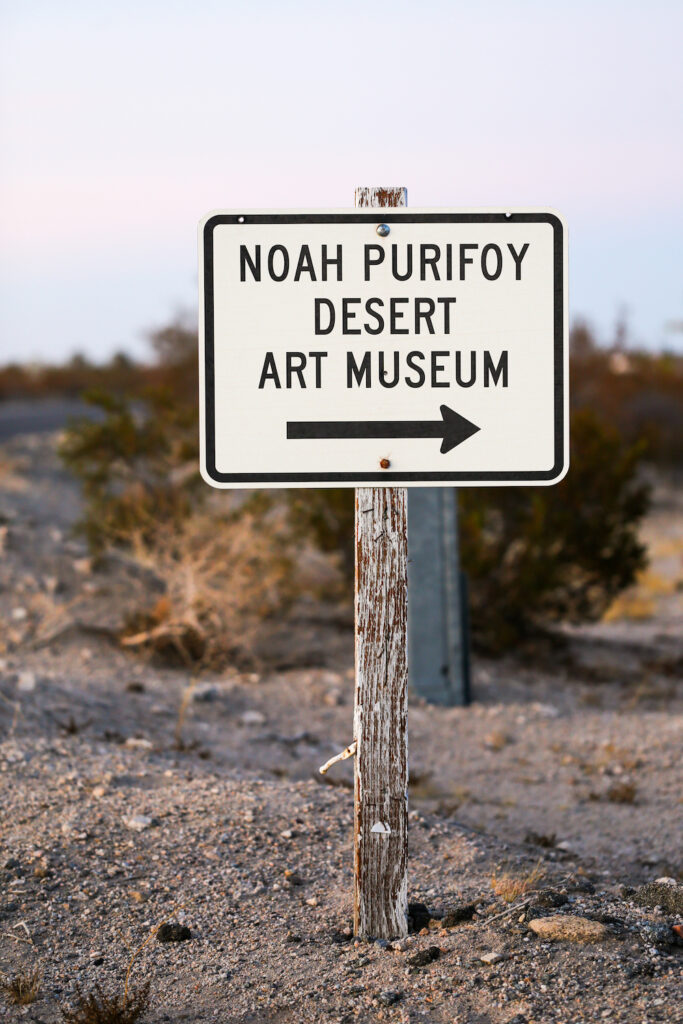
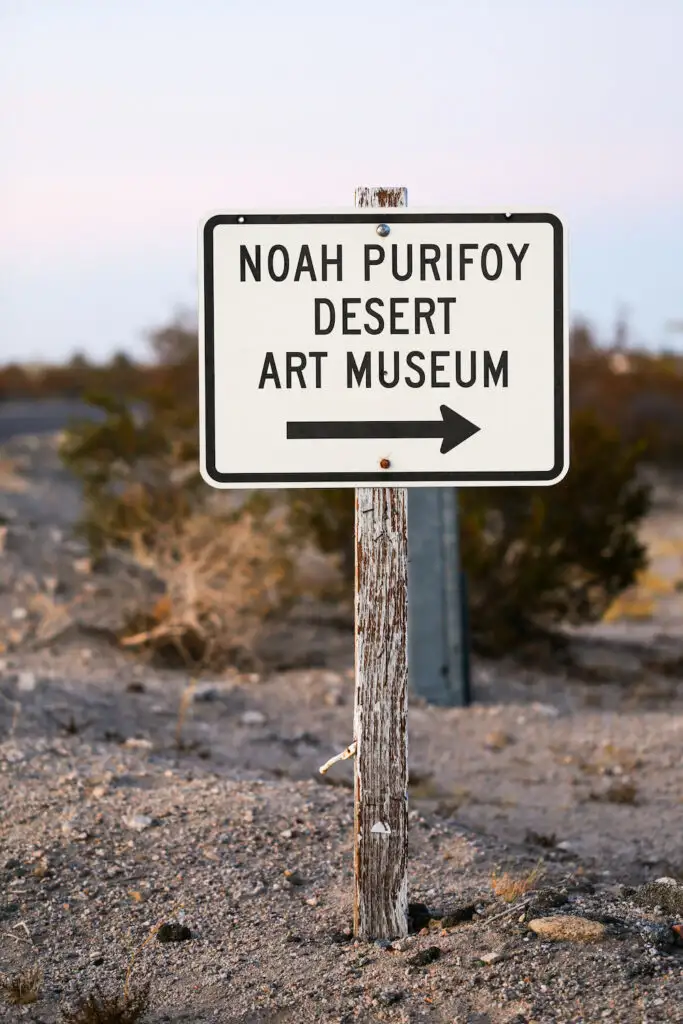
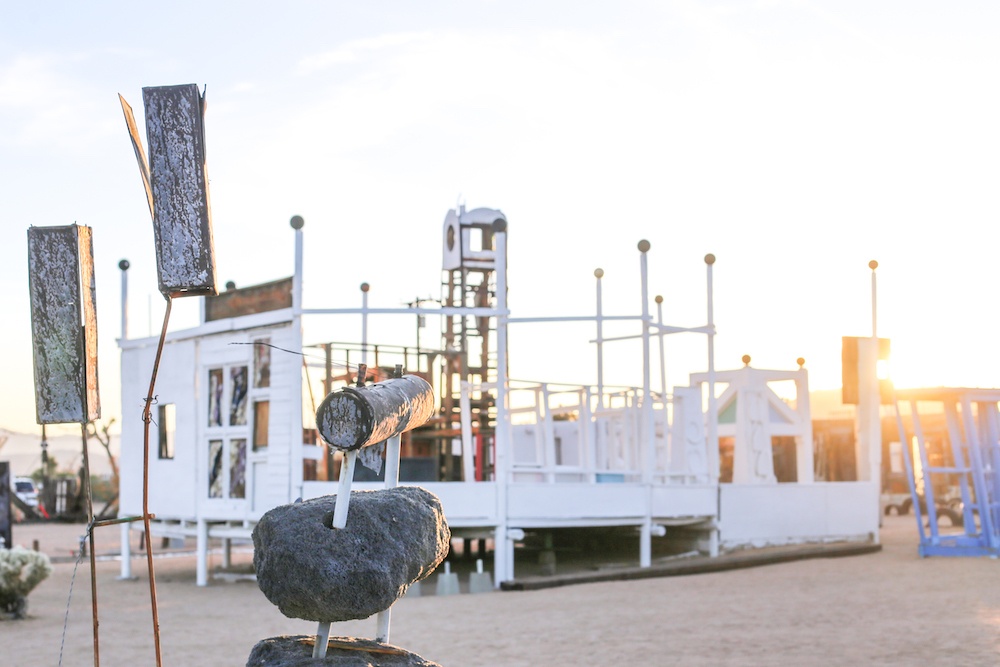
Nestled amidst the cholla, joshua trees, and sunshine of the Mojave Desert, near Joshua Tree National Park, the Noah Purifoy Outdoor Desert Art Museum of Assemblage Sculpture unfolds across ten acres as one of America’s most unique art environments. This open-air sculpture park was built by the visionary assemblage artist Noah Purifoy during the final years of his life and showcases over 100 assemblage sculptures.
Who is Noah Purifoy?
Noah Purifoy’s legacy was assembled from junk and his radical imagination. A Black artist and sculptor, Purifoy was born in Alabama in 1917 and worked as a social worker and arts educator in Los Angeles as a co-founder of the Watts Towers Art Center. He first gained recognition for his powerful exhibition “66 Signs of Neon“ made from the debris of burned neon signs following the 1965 Watts Riots.
And then in 1989, at the age of 72, he moved to Joshua Tree, where he transformed a friend’s 10-acre property into a monumental artwork museum, populated with over 100 sculptures and installations built from discarded objects including bicycles, newspapers, chair frames, plumbing fixtures, TVs, tires, mannequins, kitchen trays, bed frames, car parts, kegs, barrels, and more!
Noah Purifoy passed away in 2004, but his spirit is very much alive in the desert. He always meant for his outdoor museum to keep evolving, even without him, letting the sun, wind, and time continue shaping the work. Thanks to the Noah Purifoy Foundation, the site stays open to the public (for free!) and welcomes anyone curious enough to explore it. Walking through the space today, you can still feel his presence – bold, imaginative, and always pushing boundaries. It’s not just a museum; it’s a living, weather-worn reminder that art can be made from anything and should be for everyone.




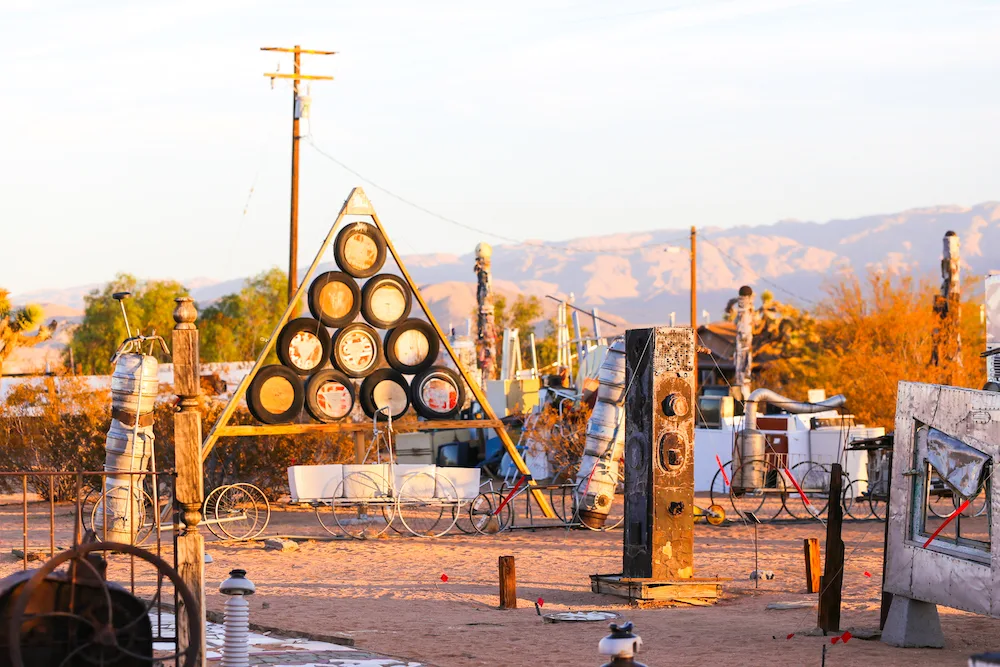
Key Highlights to Discover
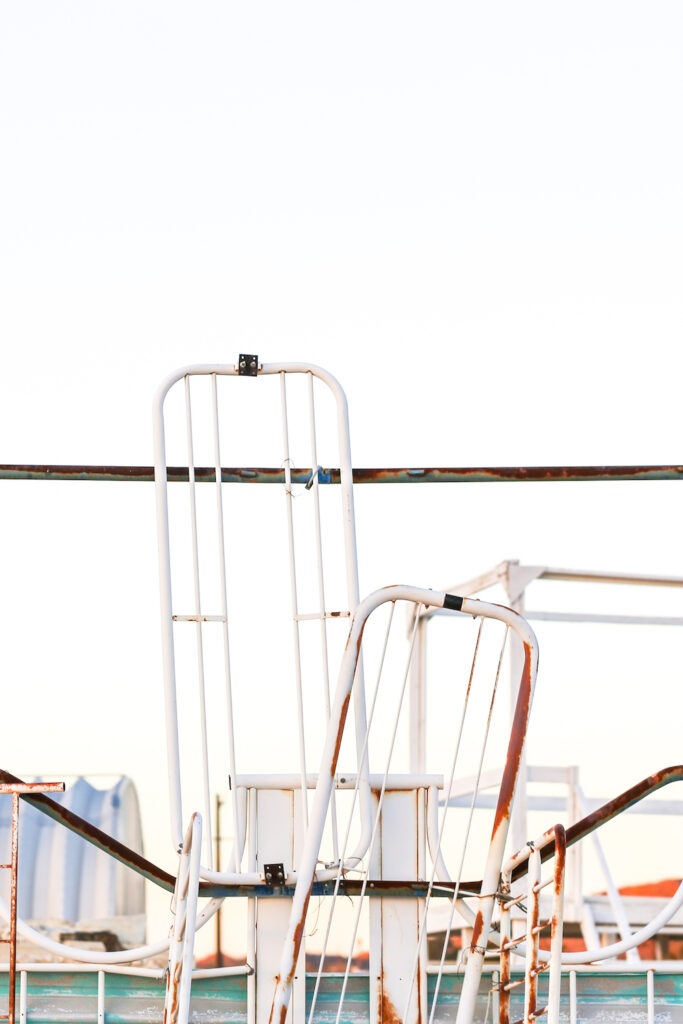

Here are some particularly compelling installations you’ll encounter:
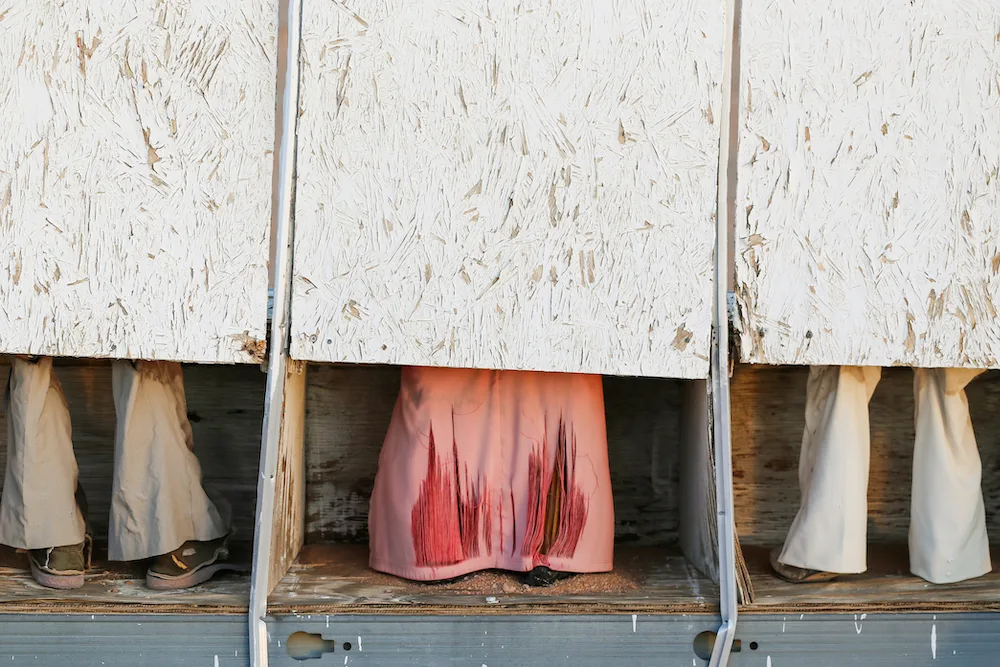
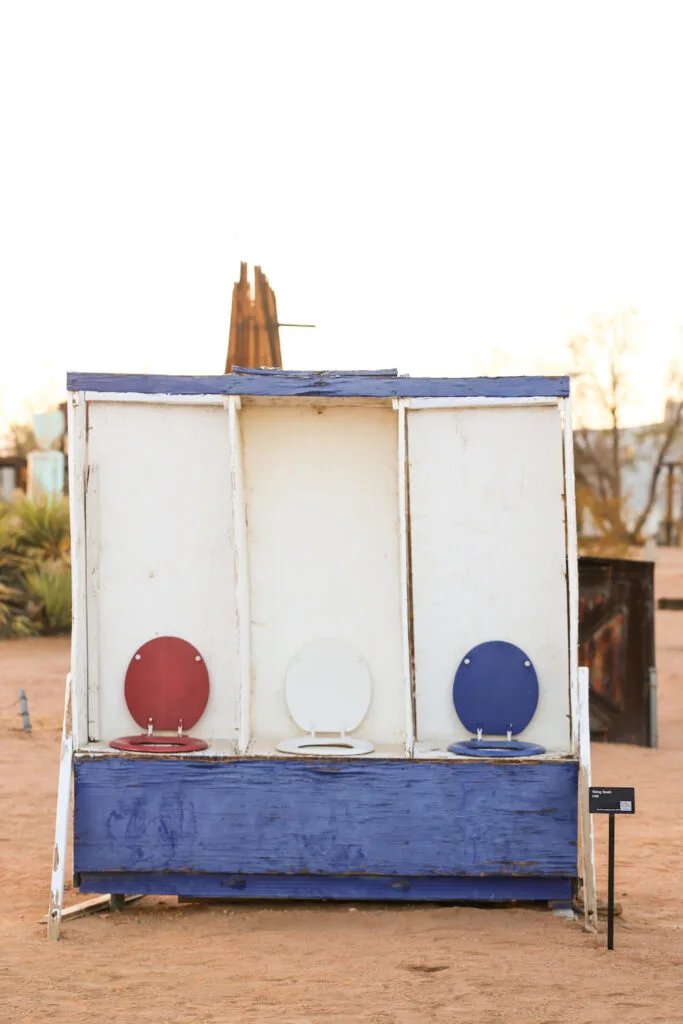
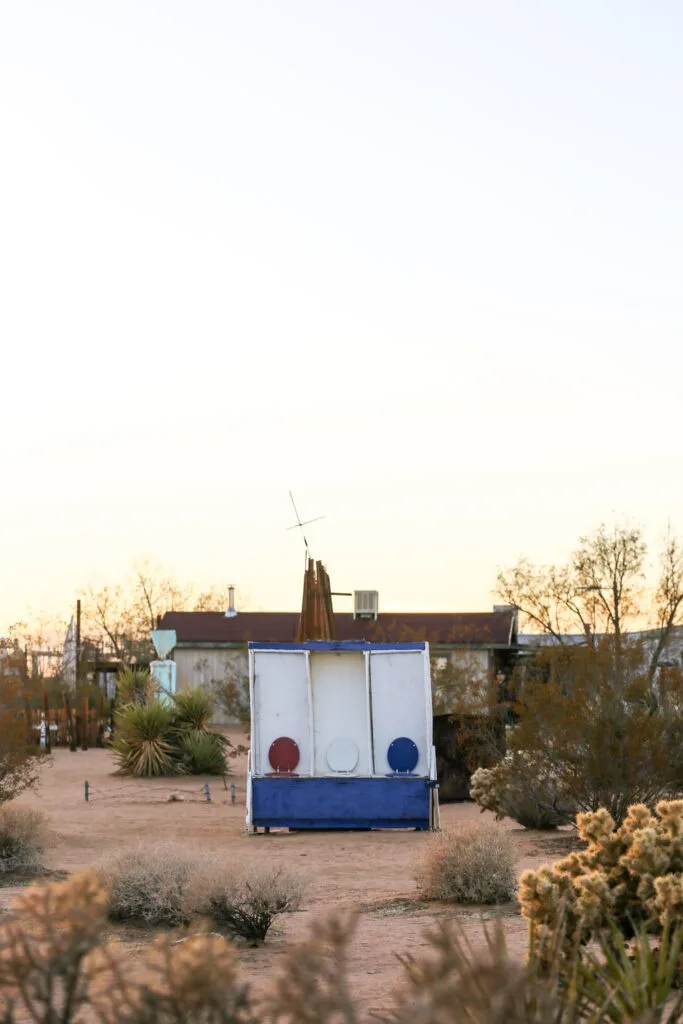
- The Voting Booth: A poignant, contemplative work crafted from weathered wood, rusted metal, red, white, and blue toilet seats, mannequins, clothes, and shoes. The sculpture invites reflection on civic power and responsibility. And I think it’s even more relevant today with our current politics!



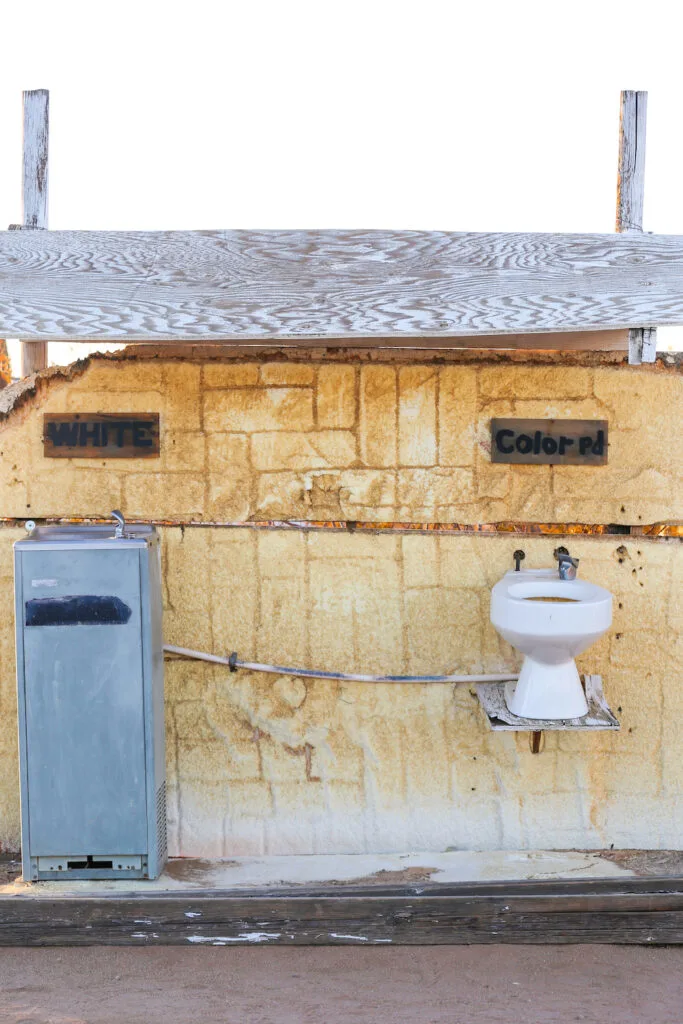
- White/Colored: Perhaps one of Purifoy’s most searing social commentaries, this piece features salvaged restroom doors labeled “White” and “Colored.” Set starkly in the desert, it confronts visitors with the raw, physical legacy of segregation and racism in America.

- Carousel: Made from bicycle wheels, metal bars, playground parts, old computers, typewriters, and a desk chair, Carousel feels playful at first, but there’s something deeper going on. It nods to childhood rides and the idea of going in circles, but also hints at the repetitive cycles of life, labor, and social systems. Like much of Purifoy’s work, it walks the line between whimsical and thought-provoking, inviting you to look twice and maybe rethink what you’re seeing.


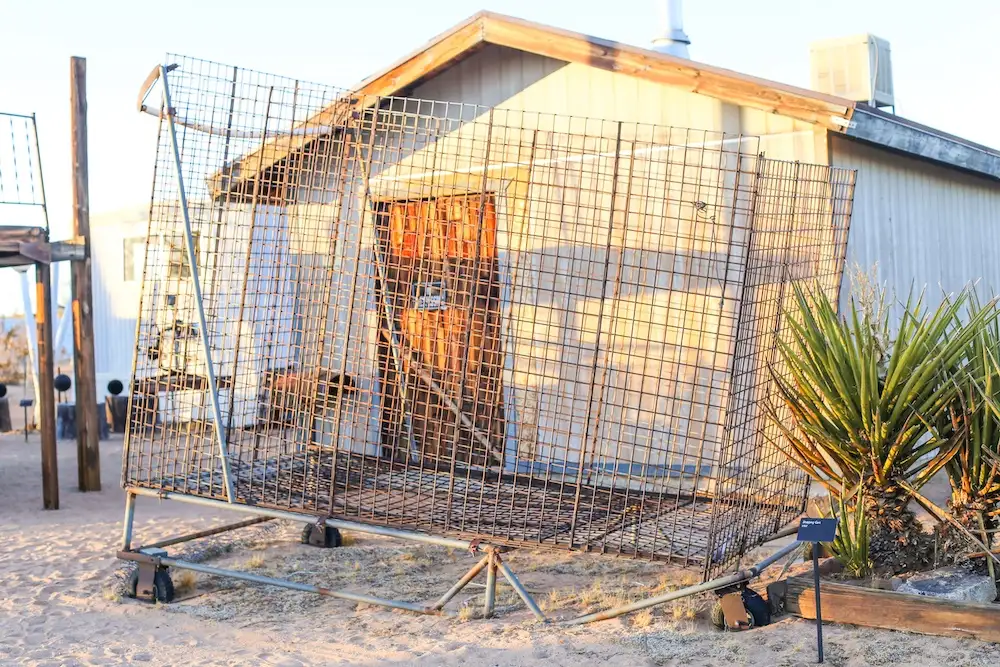
- Shopping Cart: A towering structure constructed of twisted metal, and commercial remnants. This piece speaks to consumerism, poverty, and displacement and turns a symbol of both capitalism and homelessness into a critique packed with meaning.



- Everything and the Kitchen Sink: True to its name, this piece is a wild mix of found materials—plumbing pipes, sinks, furniture parts, and who knows what else—stacked and arranged into a chaotic, almost architectural form. It’s both funny and sharp, poking at the idea of excess and what we throw away. Like so much of Purifoy’s work, it invites you to reconsider what “junk” really means and how even the most overlooked objects can be turned into something that makes you stop, stare, and think.
Honestly, I never found the kitchen sink!

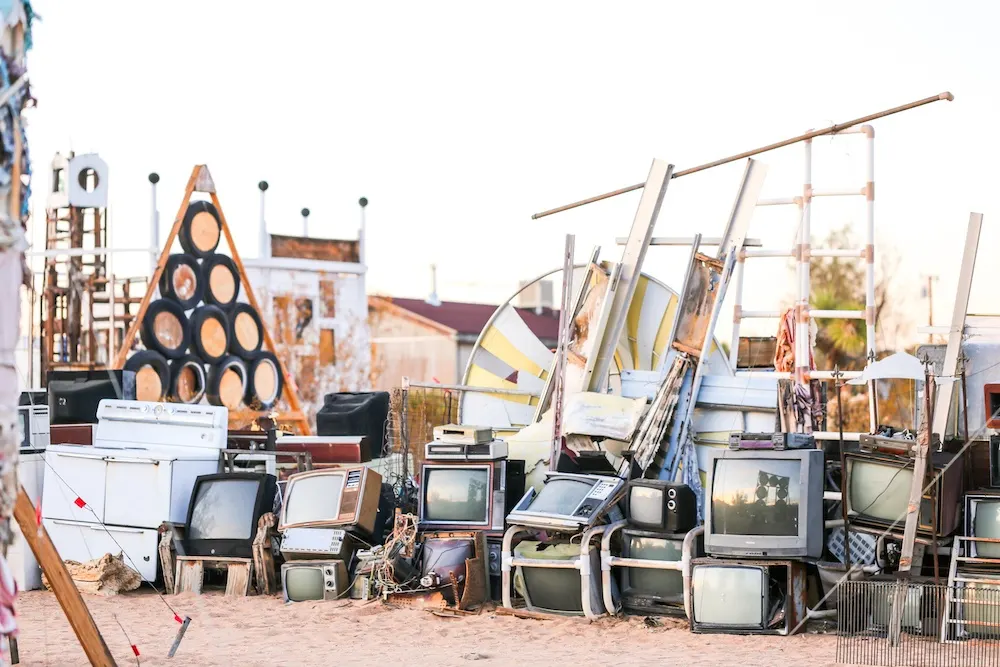
The Desert as Co‑Creator
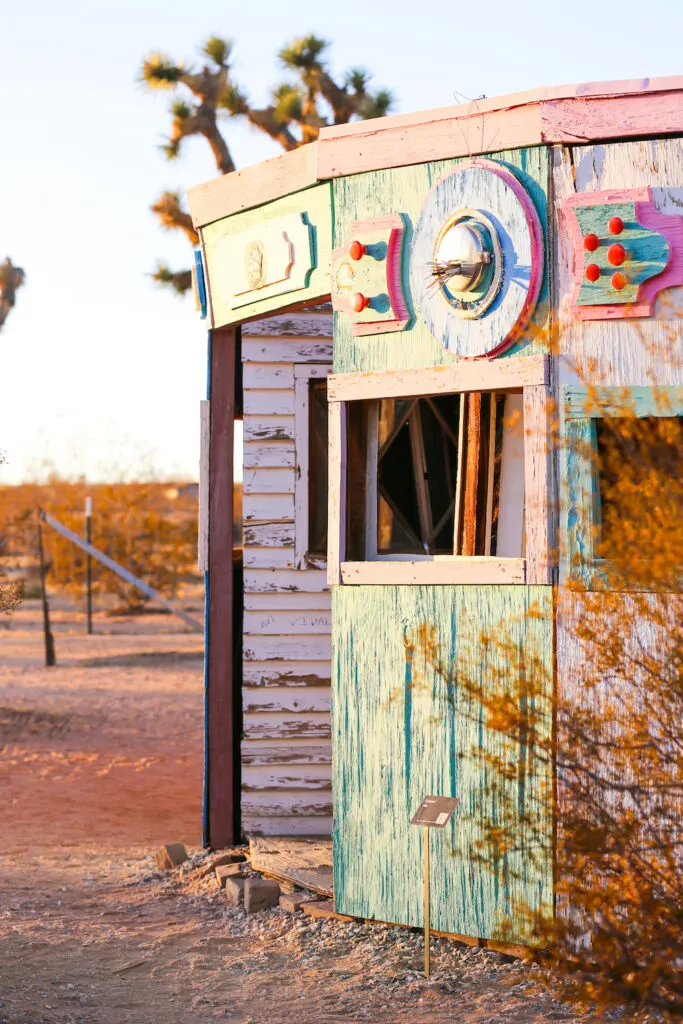
Purifoy deliberately placed his works in the harsh desert environment, inviting natural decay including rust, weather, and the sun, to become an integral part of each sculpture’s evolving story.
Walking the museum is to witness mixture of art and nature: sculptural forms weathering under the desert sun and wind; plants growing through installations; even animals like desert tortoises making their homes within the works. Purifoy welcomed this organic collaboration and he often said the desert was his creative partner.


Tip: Definitely wear closed-toe shoes to visit!
I was wearing slip-on sandals and after another visitor informed us about the jumping cholla cactus and the glass, I went back to the car and quickly changed shoes and grabbed long sleeves for the kids.
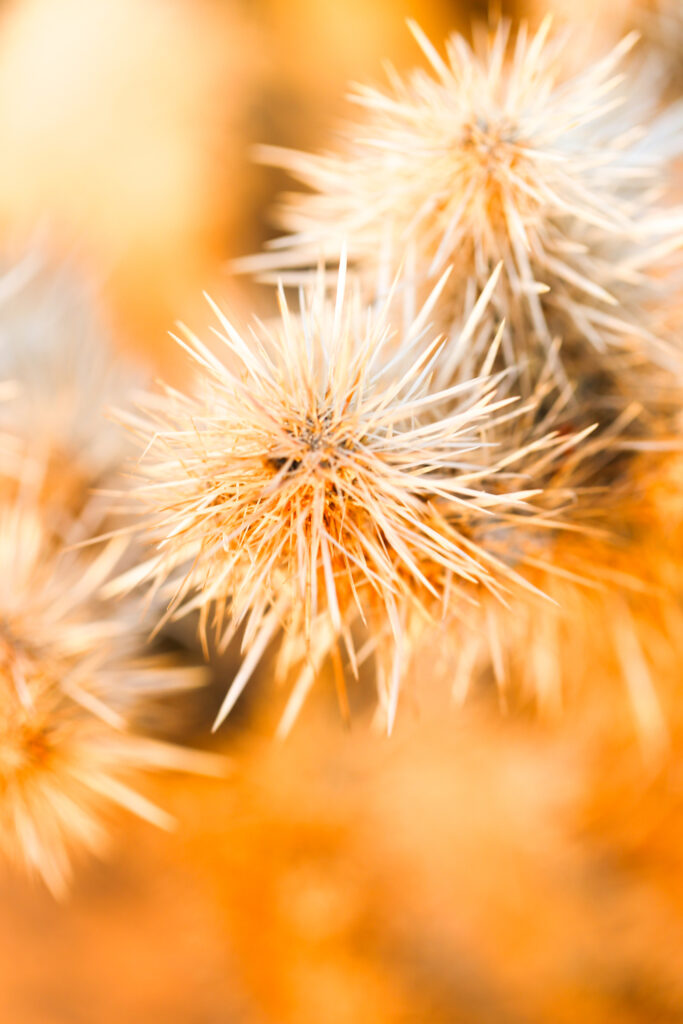


Keep an eye out and warn kiddos about cholla cactus! It’s also called jumping cholla as well as teddy bear cholla. But don’t let the cute name fool you, these spiky guys are not cuddly. They’re called “jumping” because their barbed segments detach super easily and seem to leap onto you with the slightest brush. It’s a clever way for the plant to spread, but not so fun if you’re wearing sandals. The nickname “teddy bear” comes from the fuzzy, plush-looking appearance of the cactus… from a distance. Up close? It’s all needles.
Admire them with your eyes, not your legs!


Many of the sculptures are designed to be entered or walked through, inviting intimate engagement with space, scale, and material. The result is an immersive, playful, and meditative experience where everyday detritus becomes dramatic art.
Tip: But again, watch kids carefully because there’s a lot of broken glass and sharp, rusty metal, etc.

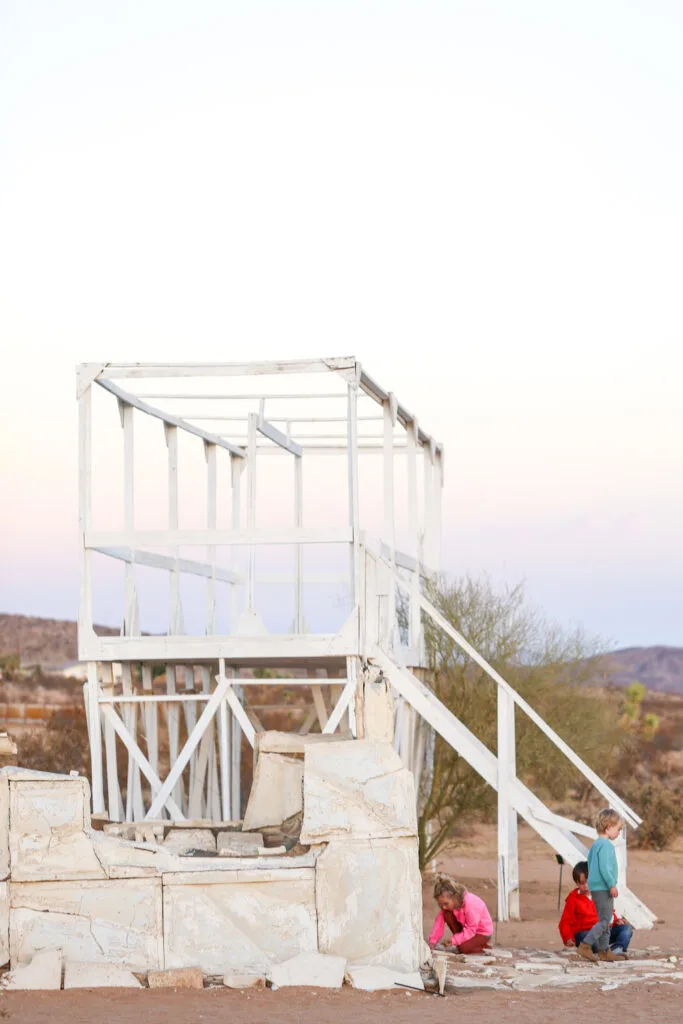


Visiting the Site
- The Noah Purifoy Desert Art Museum of Assemblage Art is located at: 63030 Blair Lane, Joshua Tree, California 92252.
- All roads except for the very last are paved; however, Blair Lane is a graded dirt road. Use caution driving on it as it may have been damaged by any recent storms. (We were in a minivan and were able to access easily).
- The museum is open daily from dawn to dusk.
- Admission is free. No reservation or fee required; however, donations are welcome and support the Noah Purifoy Foundation.


- Definitely wear closed-toe shoes to visit! Beware of cholla cactus, broken glass, and rusty metal.
- Purifoy’s home and studio trailer remain on-site along with original tools and structures, preserving the sense that this is still a lived-in creative environment; however, his home and studio may not be open for touring.
- The museum is intentionally unfenced (save for one abutting a neighbor), per Purifoy’s wishes, allowing artworks to integrate with the landscape and visitors to free roam across the grounds.


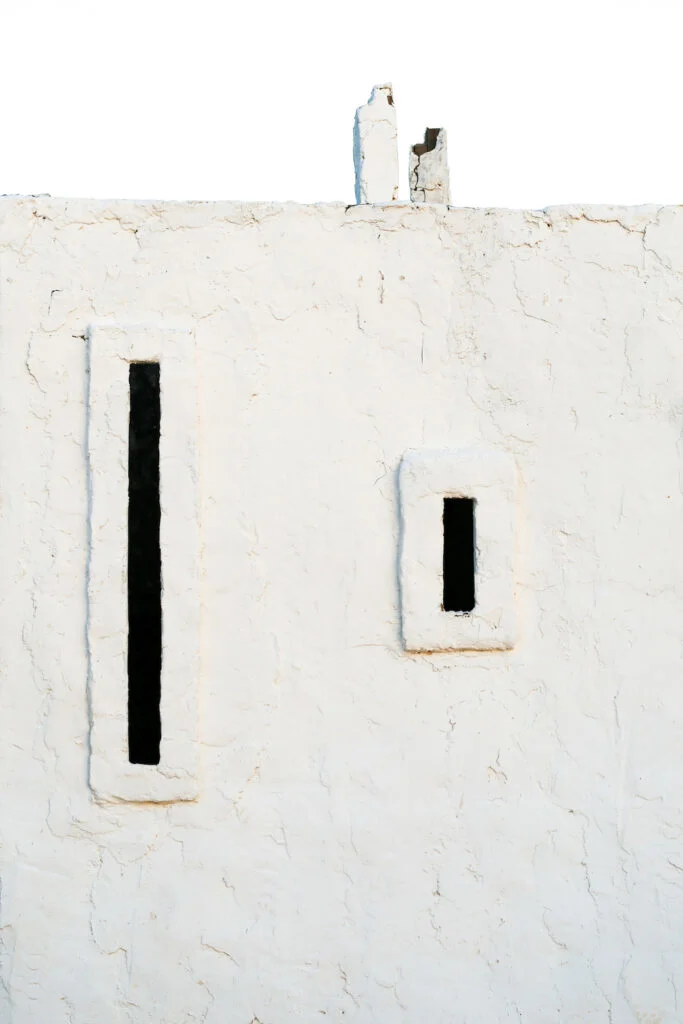


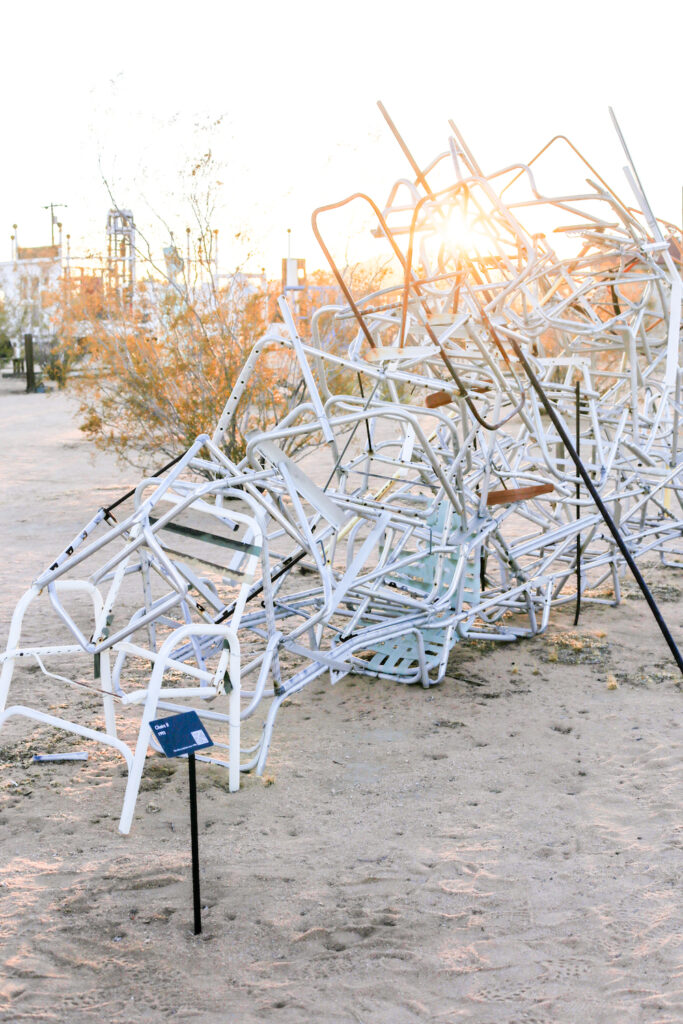


The Noah Purifoy Outdoor Desert Art Museum is more than a collection of sculptures, it’s a conceptual ecosystem, where discarded everyday objects reinvent their forms and meaning under sun, wind, and human curiosity.
Visiting feels akin to exploring a surreal, post‑apocalyptic junk utopia—simultaneously powerful, whimsical, and deeply human. It’s a place that invites reflection: on art, environment, social purpose, and how even the most ordinary things might one day transcend.
Read more: Travel Guide to Pioneertown, California
Copyright Notice
All images and content are copyright-protected. Please do not use any images without prior permission. If you would like to share this story, please only use one image and link directly back to this post using my post title. Thank you!
Land Acknowledgement
Salty Canary wants to acknowledge that we live, operate, gather, and benefit every day on the traditional stolen lands of several Indigenous peoples and nations including the Tongva (Gabrieleno), Kizh (Gabrieleno), Chumash, Popeloutchom (Amah Mutsun), Ohlone, Awaswas, and Fernandeño Tataviam peoples who have stewarded the lands and waterways throughout their many generations in what is now the state of California. Joshua Tree is located on the lands of the Newe Sogobia (Western Shoshone) and the Yuhaaviatam/Maarenga’yam (Serrano) local nations. You can learn more about the land on which you are located at Whose Land?
I wanted to personally acknowledge these Indigenous people and nations and both their commitment and current contributions to the land with a donation to the American Indian College Fund because acknowledgment without action does not begin to address the systemic issues facing Indigenous people. If you feel as though you benefit from the land you’re living on or traveling to and you have the means, I kindly ask that you donate to a Native-led organization such as the Native American Rights Fund or the American Indian College Fund.