
Lotusland, located in the picturesque city of Santa Barbara, California, is a unique and enchanting botanical garden offering visitors a blend of horticultural beauty, artistic design, and historical significance. Founded by Madame Ganna Walska, a “renowned” Polish opera singer and passionate horticulturist (who was married six times!), Lotusland spans 37 acres and showcases an astonishing array of exotic plants, rare succulents, and awe-inspiring landscapes.
I hope this guide will help you make the most of your visit to Lotusland, offering insights into its history, highlights, practical information, as well as tips for an unforgettable experience within Santa Barbara!
Guide to Visiting Lotusland in Santa Barbara, California
Shop My Travel Essentials!

I had Lotusland on my bucket list for a couple of years. A few years ago, I made reservations to visit with a friend while we were on our way to Los Alamos (Read More: 24 Things to Do in Los Alamos, CA), but our plans were thwarted by a nearby wildfire. So the next year, I made a special solo day-trip up to Santa Barbara from Los Angeles, just so I could visit Lotusland. Totally worth the drive and I’m so glad I just made the plans and did it!
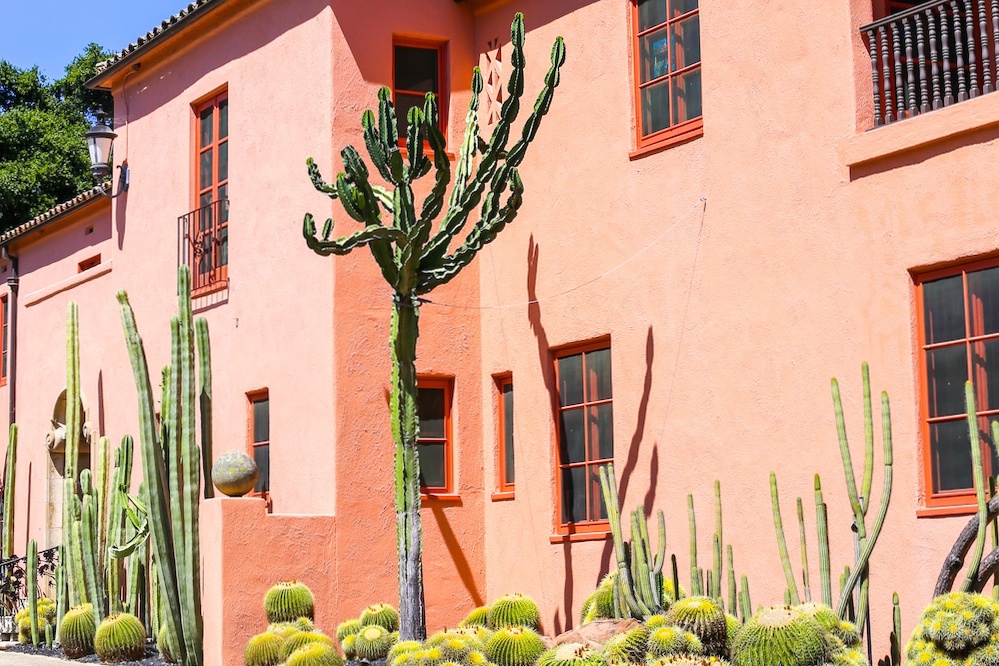
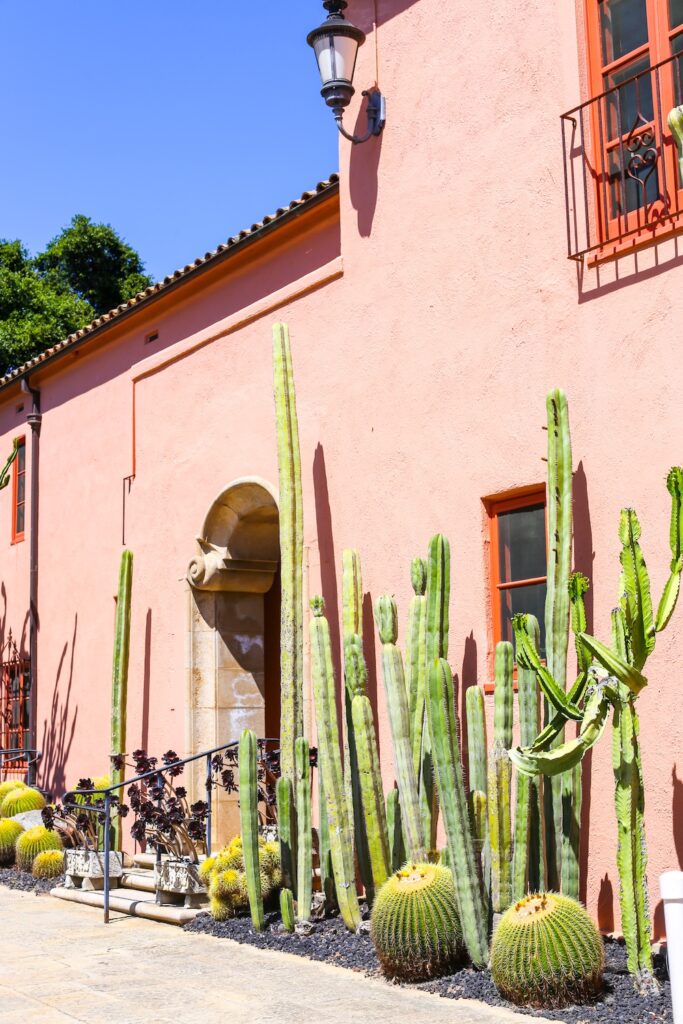
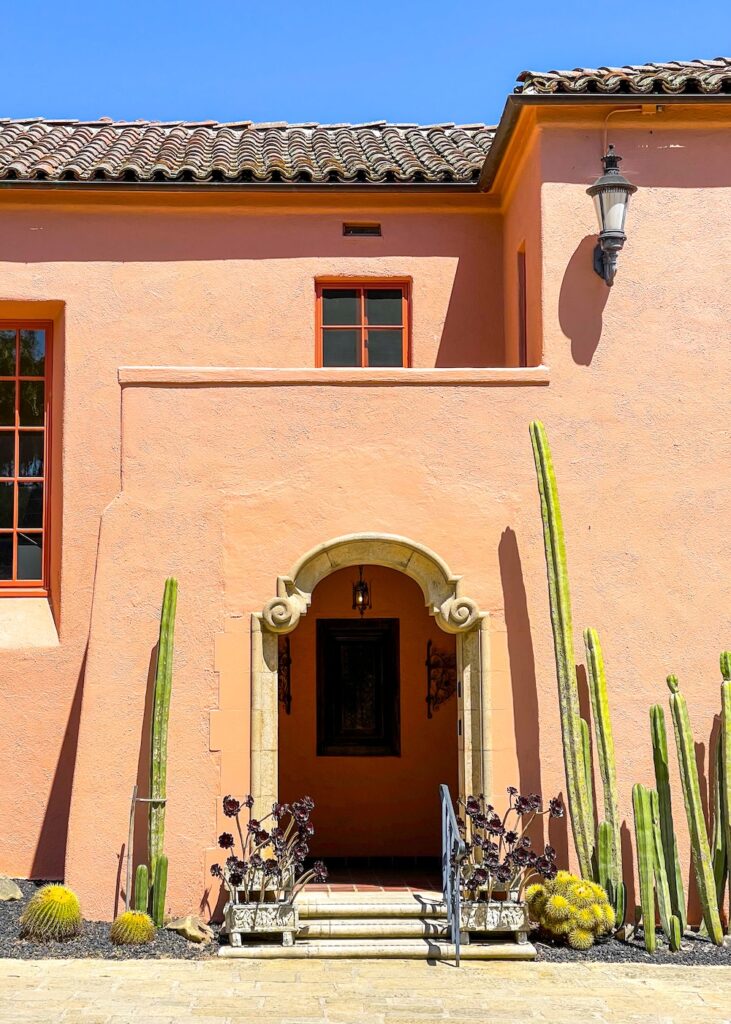
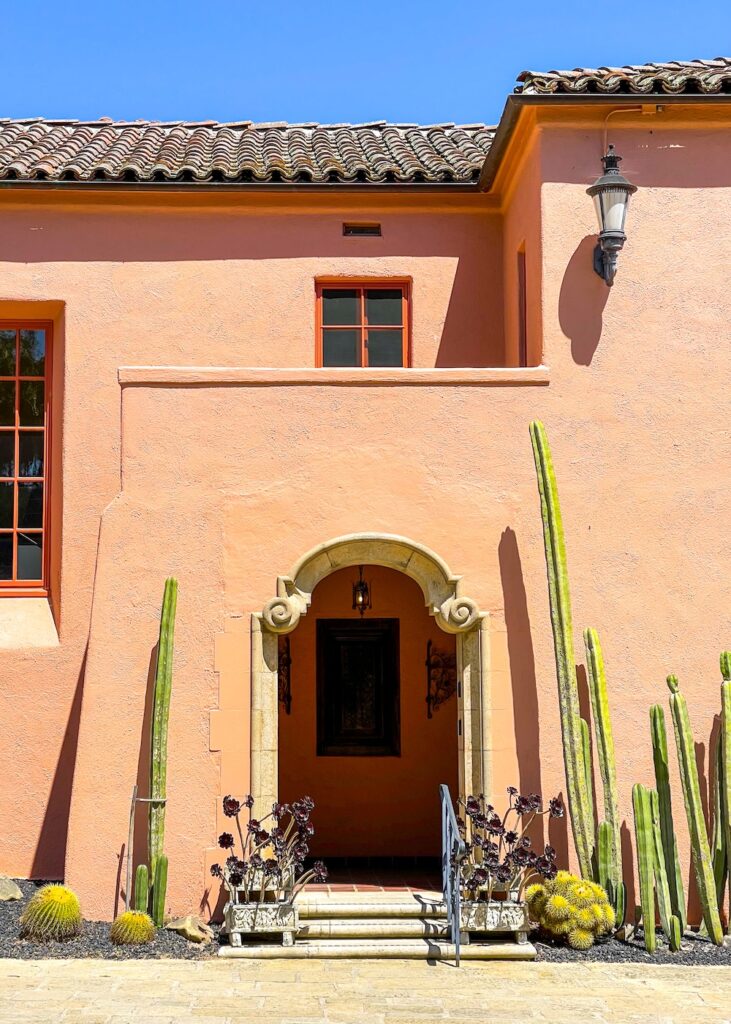
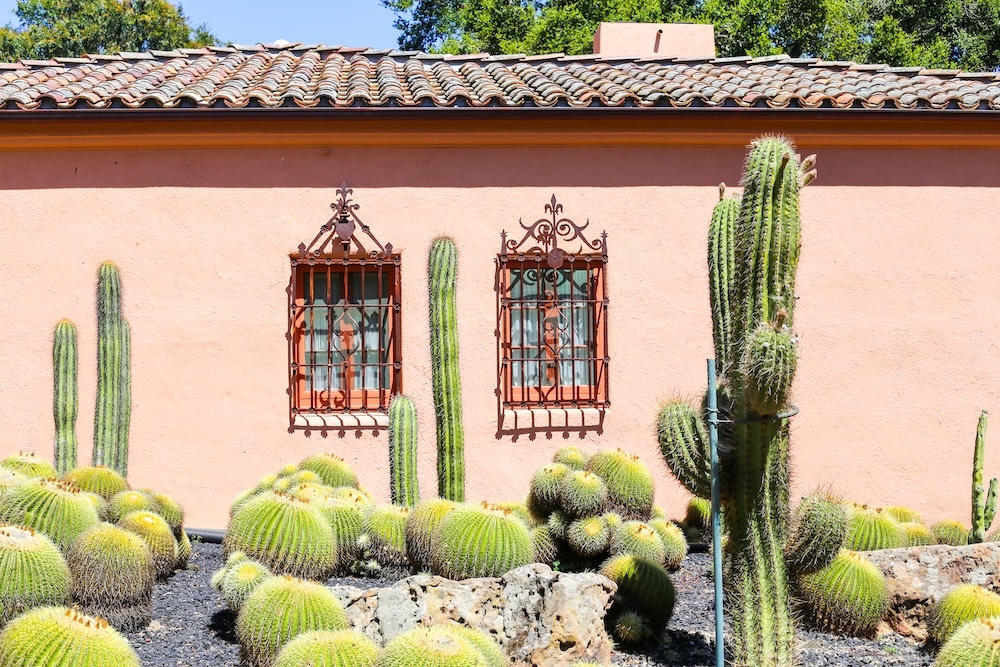
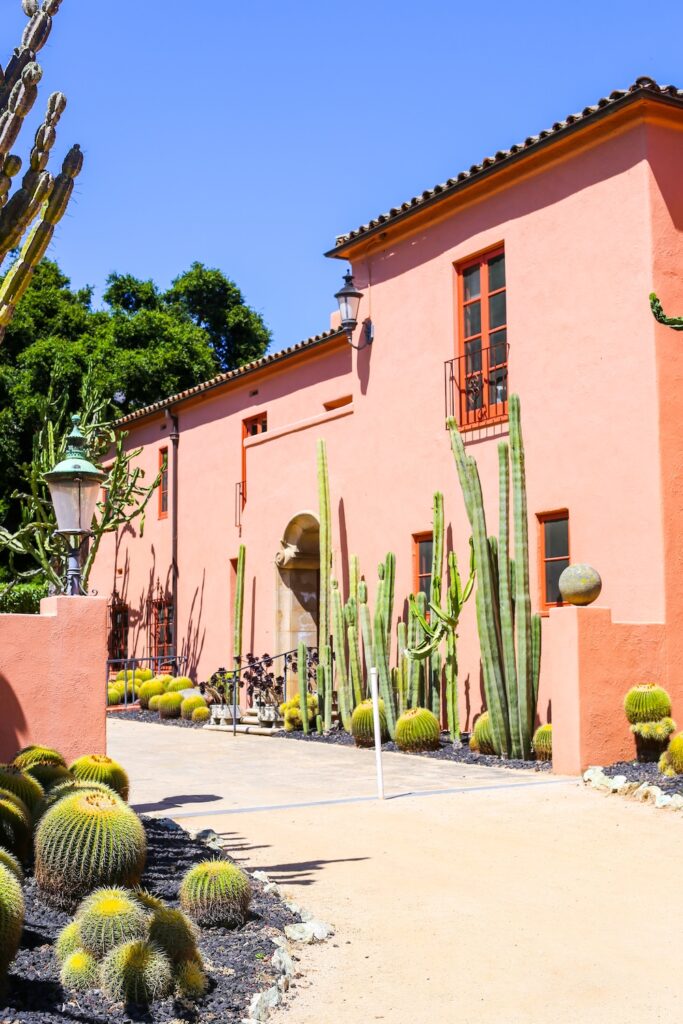
I learned of Lotusland several years ago when I saw a photo of its gorgeous pink building covered by gnarly cacti. I did a quick Google search and learned about Madame Ganna Walska, the founder of the garden, and her unique life story and I was immediately sold. Wow! She was such a character!
Lotusland History and Background
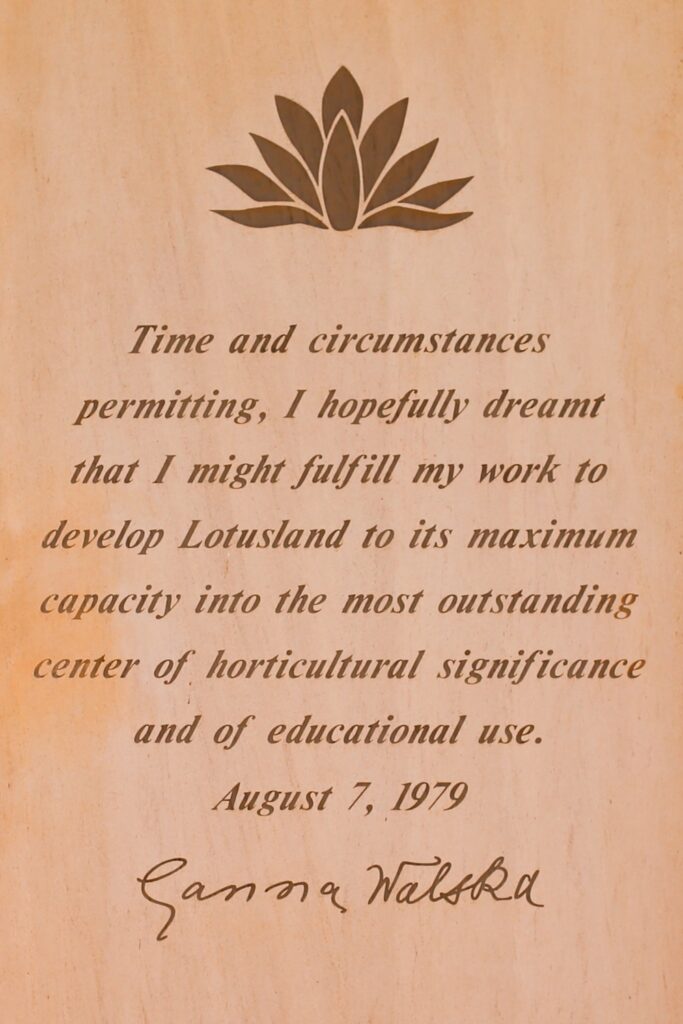
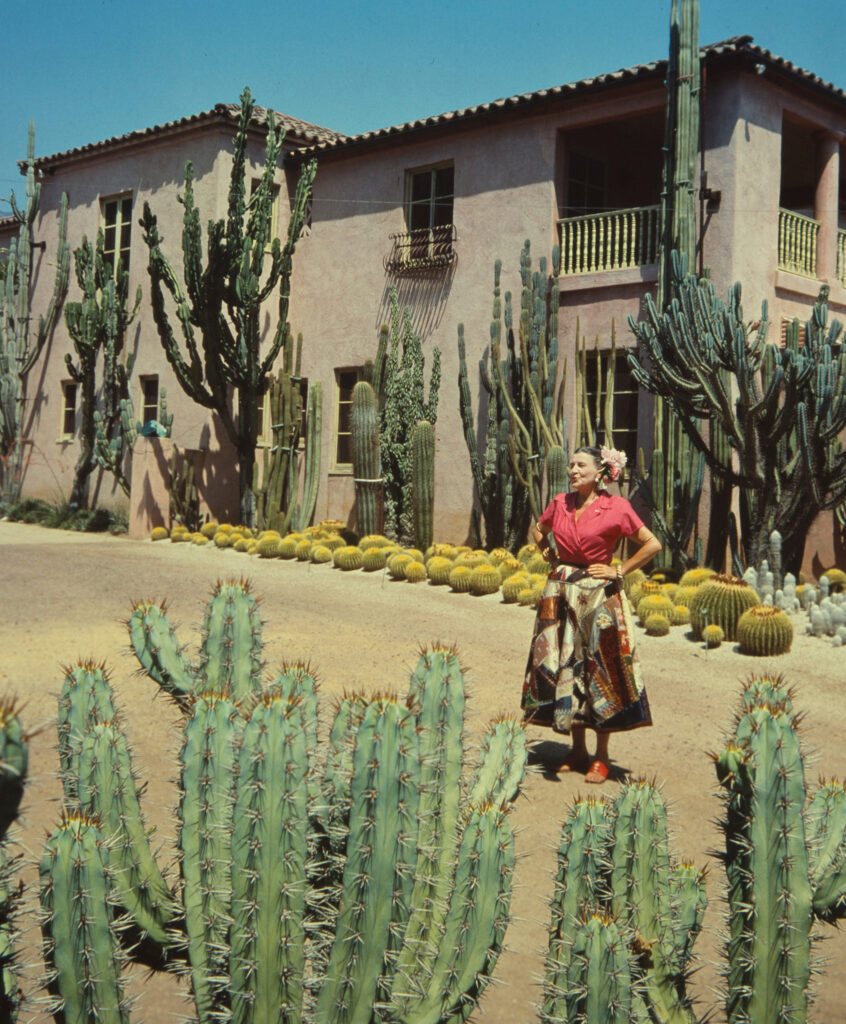
Lotusland was founded in 1941 by Madame Ganna Walska, a Polish opera singer, socialite, and visionary gardener. She acquired the property with the intention of creating a whimsical and botanically diverse garden. Over the decades, she transformed the estate into a masterpiece, blending her eccentric taste with innovative landscape design and a wide variety of plant species.
Visiting Lotusland
Getting to Lotusland:
Lotusland is located at 695 Ashley Road, Santa Barbara, California.
It is easily accessible by car but NOT easily by public transportation.
Parking is available on-site, but please note: only ONE car per party is allowed.
Visitor Information:
- Lotusland is open to the public, but because it is located in a private neighborhood and operates through very strict permits, they are limited to a restricted number of visitors and cars per day.
- Advance reservations are required and at least 3 weeks in advance is recommended.
- Lotusland is open from February 15th to November 15th.
- You can visit Lotusland and take a tour or explore the grounds at your leisure. Tours are conducted by knowledgeable guides and last approximately 1.5 to 2 hours. There are several tour options available, including general tours, specialty tours, and seasonal tours. Specialty tours focus on specific aspects of the garden, such as the cycad collection or historical architecture. Consider your interests and preferences when choosing a tour. For my first visit, I took the tour, but next time, I will probably explore the gardens on my own.
- The garden follows strict conservation practices, so visitors are expected to adhere to guidelines such as staying on designated paths, not touching the plants, and maintaining a quiet atmosphere.
Frequently Asked Questions about Lotusland:
- Can I bring outside food or drinks? Outside food and drinks are not allowed. However, bottled water is permitted.
- Are children allowed? Children are welcome at Lotusland! However, due to the delicate nature of the garden and the guided tour format, it’s recommended for children to be at least 10 years old.
- Are pets allowed? Pets are not allowed, except for service animals.
- Is photography permitted? Photography is allowed for personal use only, and tripods and outfit changes are not permitted.
- Is Lotusland wheelchair accessible? While the garden has some accessible areas, it does have uneven terrain and steps, which may pose challenges for visitors with mobility issues. It’s recommended to contact Lotusland in advance to discuss specific accessibility needs.
- Is there a giftshop? Yes, there is a gift shop where you can purchase souvenirs, books, and garden-related items.
- Do I need to make a reservation? Yes, advance reservations are required for all visitors. Lotusland offers guided tours, and reservations can be made online or by phone.
- How long is the guided tour? Guided tours typically last around 1.5 to 2 hours, depending on the specific tour you choose.
- Can I buy tickets on-site, or do I need to purchase them in advance? Tickets must be purchased in advance through the Lotusland website or by phone. On-site ticket purchases may not be available, as tours often fill up quickly.
- What is the best time of year to visit Lotusland? Lotusland is beautiful year-round, but spring (April and May) and summer (June to August) are popular times to see the garden in full bloom.
What to Bring:
- Comfortable walking shoes with good traction.
- Sunscreen, a hat, and sunglasses for sun protection.
- Water bottle to stay hydrated.
- A camera, sketchbook, or watercolors to capture the garden’s beauty.
Highlights of Lotusland:
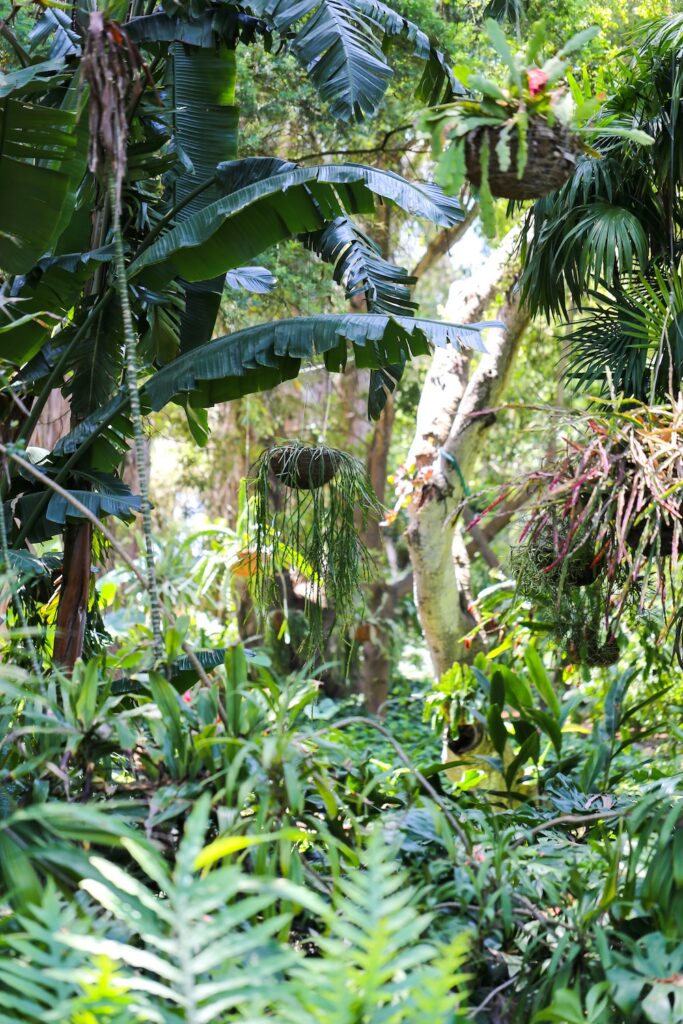
Tropical Garden
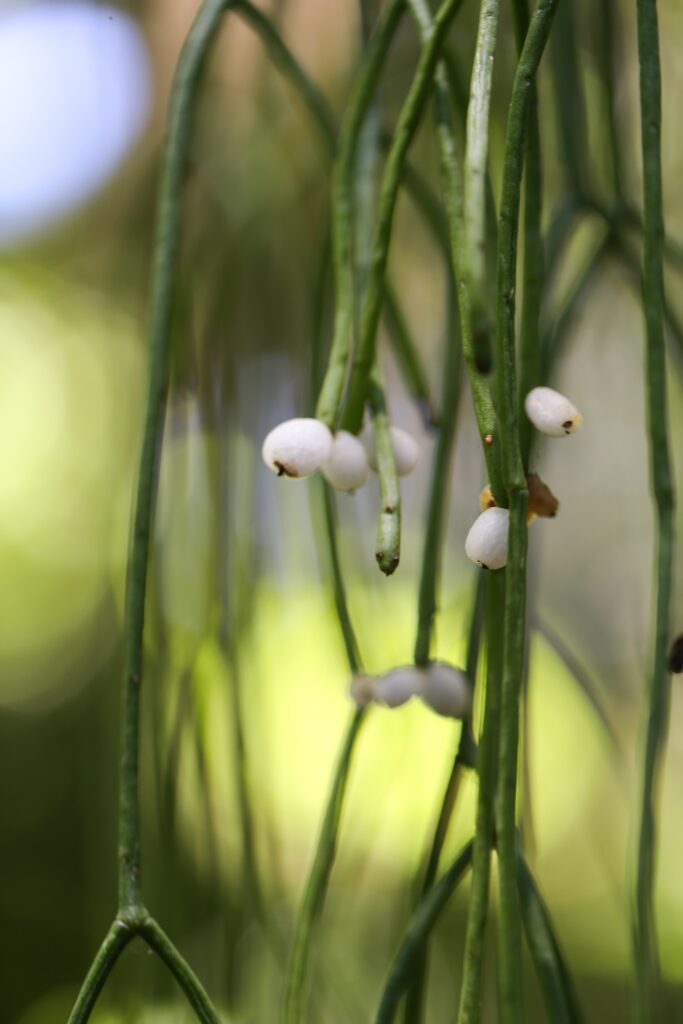
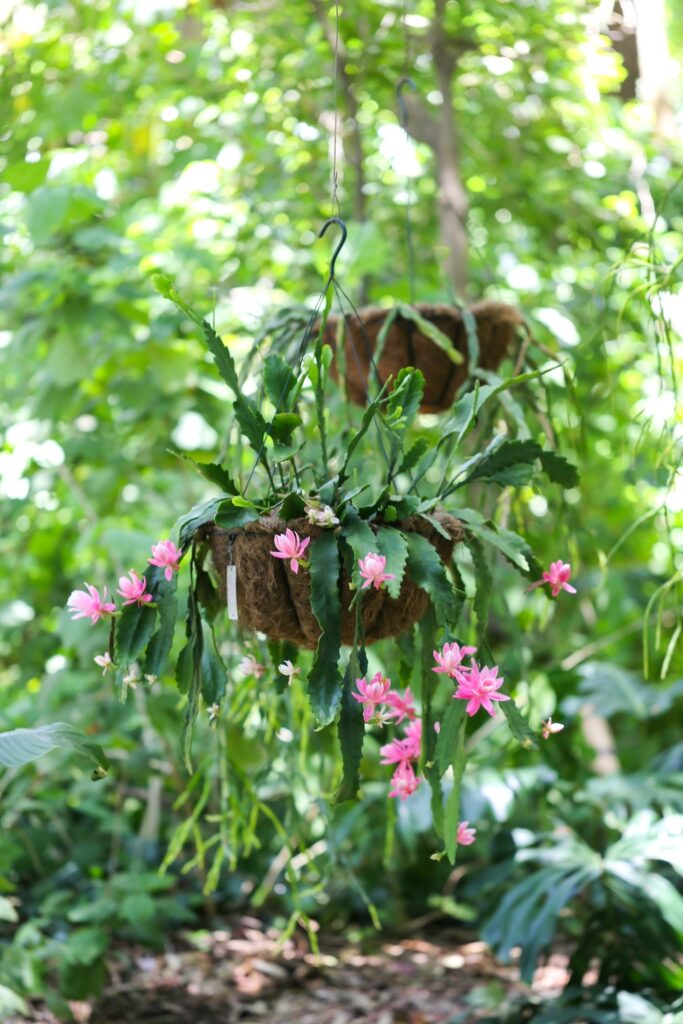
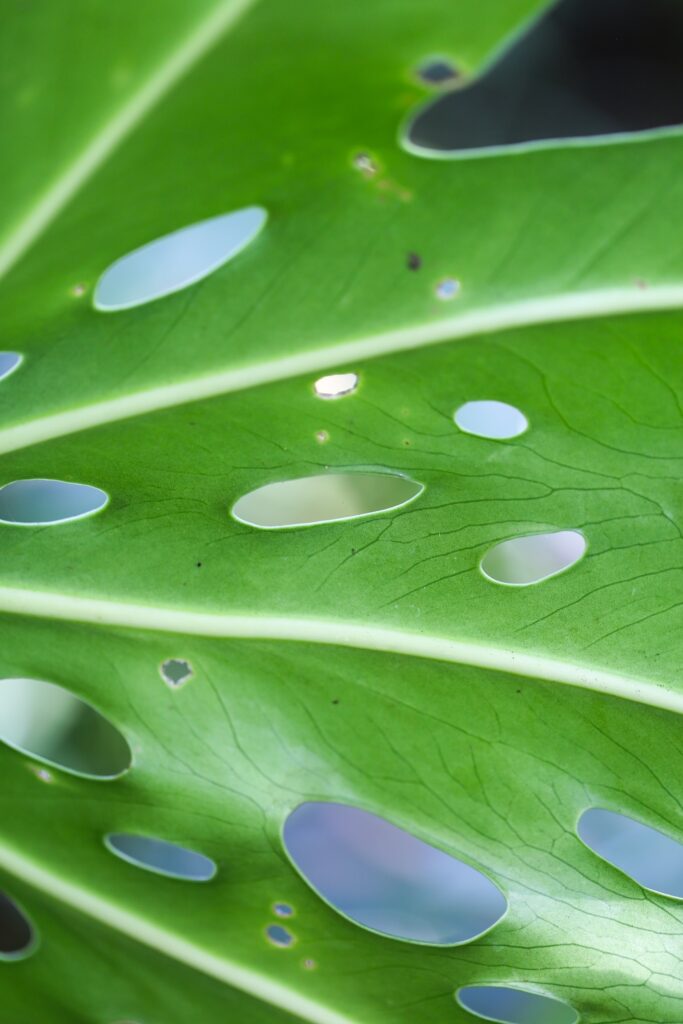
The Tropical Garden houses Madame Walska’s orchid cacti and monstera plants!
Cycad Garden
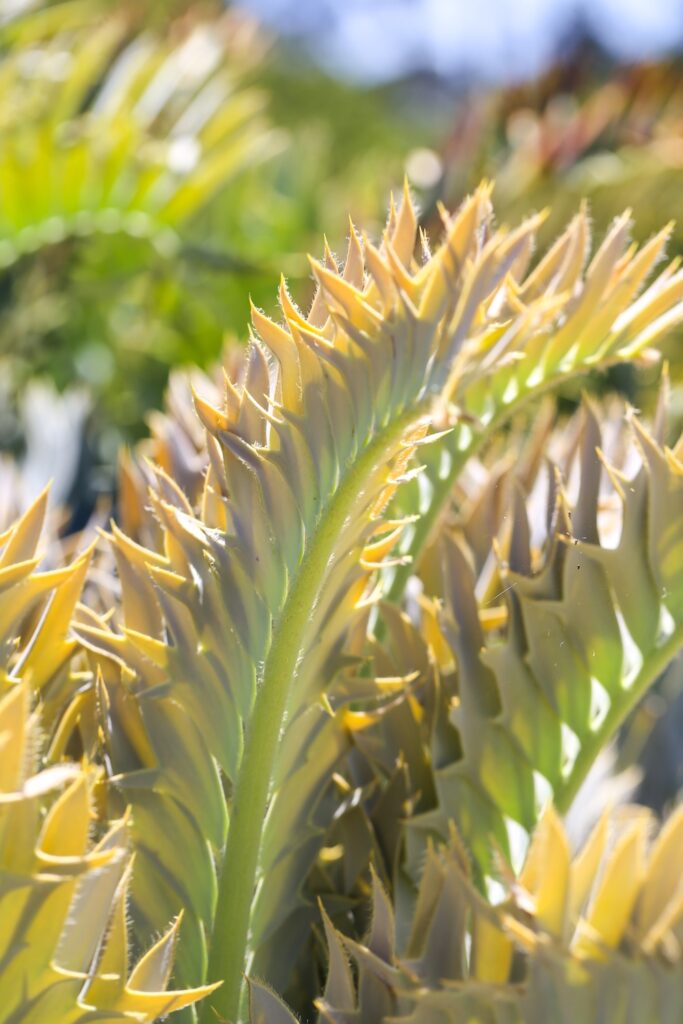
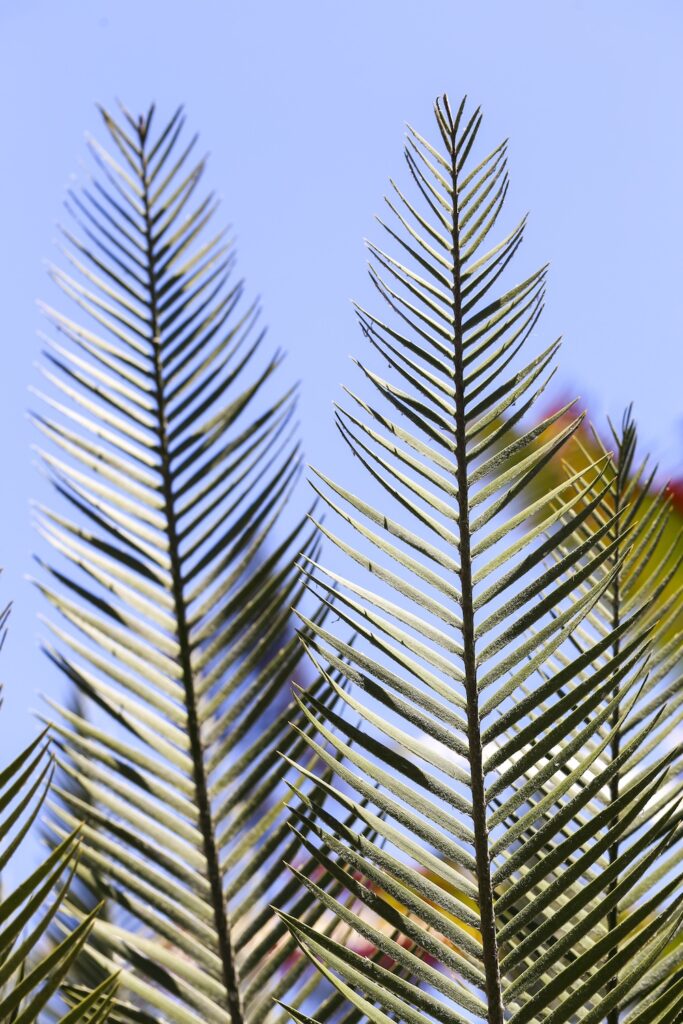
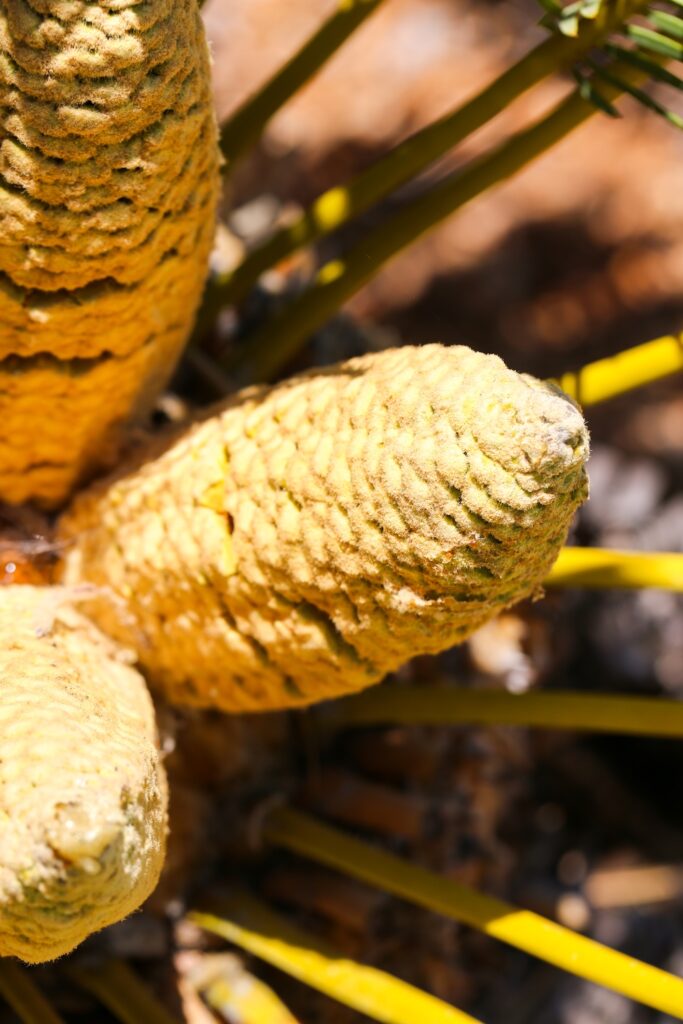
The Cycad Garden is home to a diverse collection of cycads, some of which are over 100 years old. Cycads are known as “living fossils” since they existed before dinosaurs!
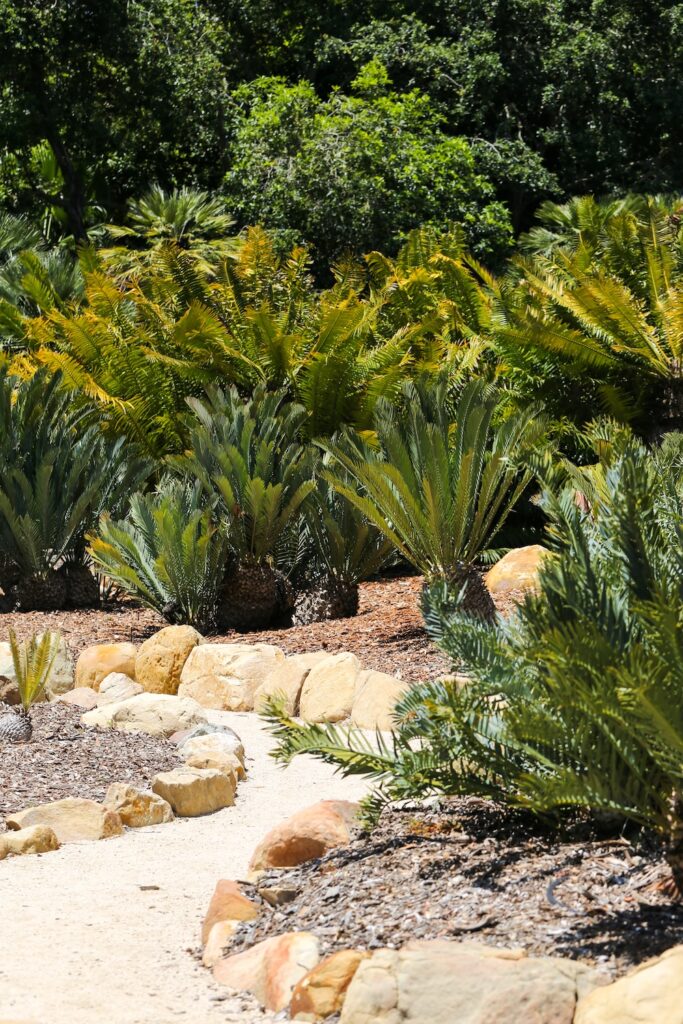
Succulent Garden featuring the Cycad Greenhouse
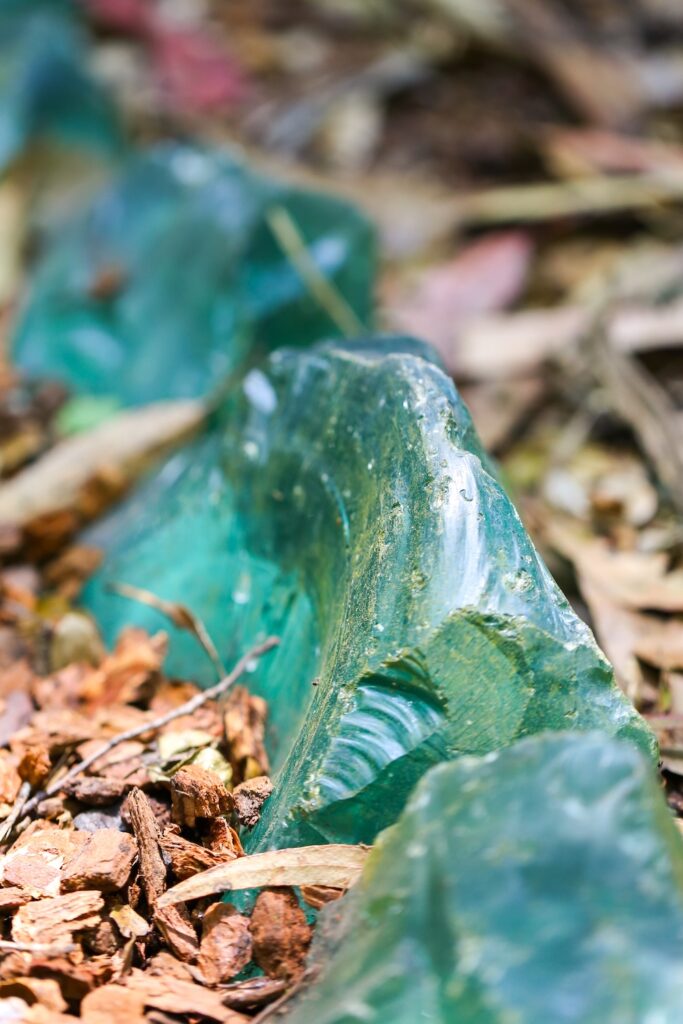
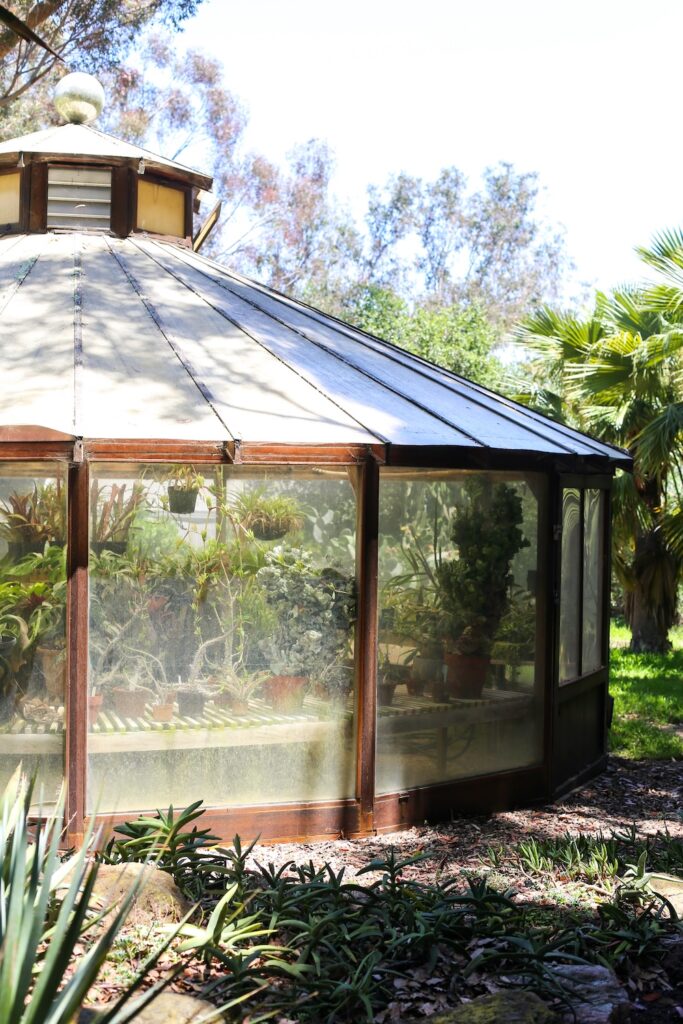
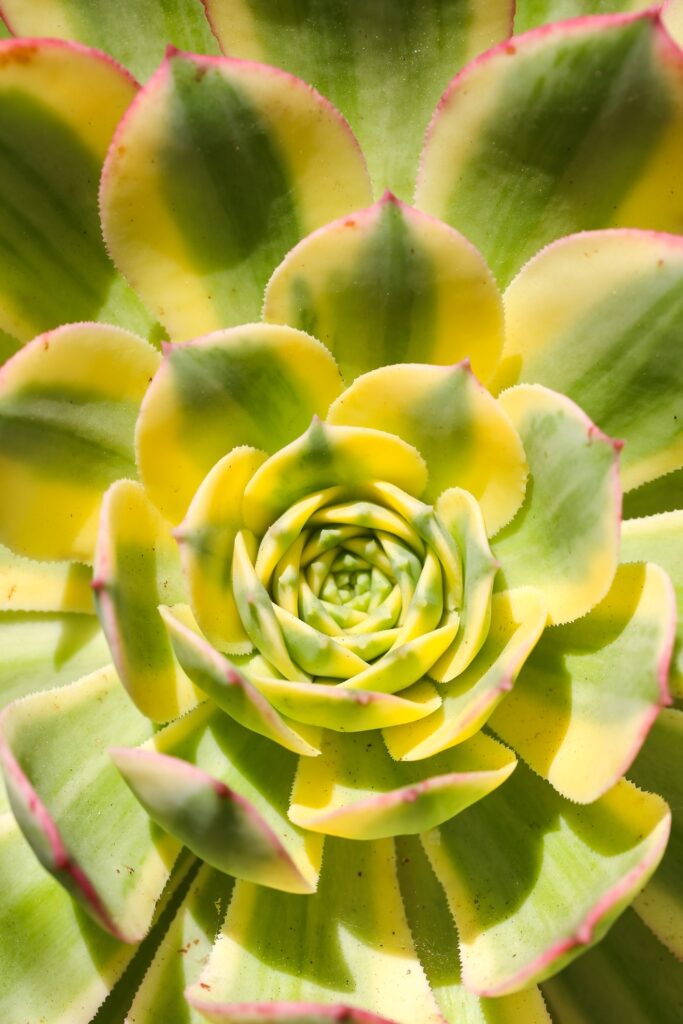
The Succulent Garden features many of Madame Walska’s statuettes, of course succulents, and many of the paths are accented with blue slag glass which her stonemason, Oswald Da Ros, sourced from the Arrowhead Water Company. The garden also features the Cycad Greenhouse which houses some of the world’s rarest cycad species in a controlled environment.
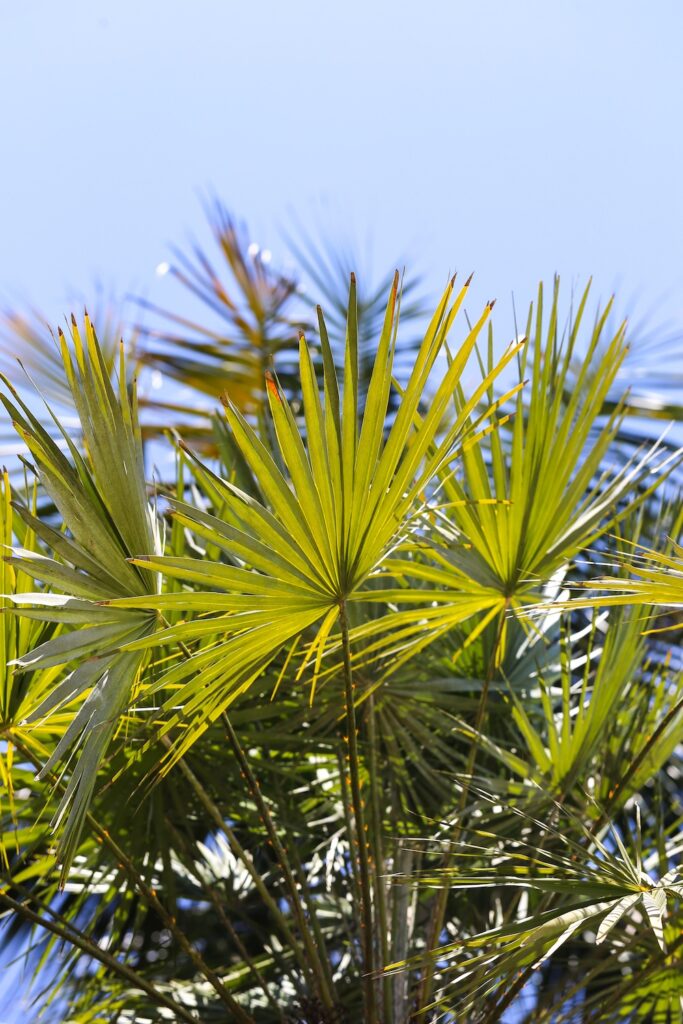
Shade Palm Garden
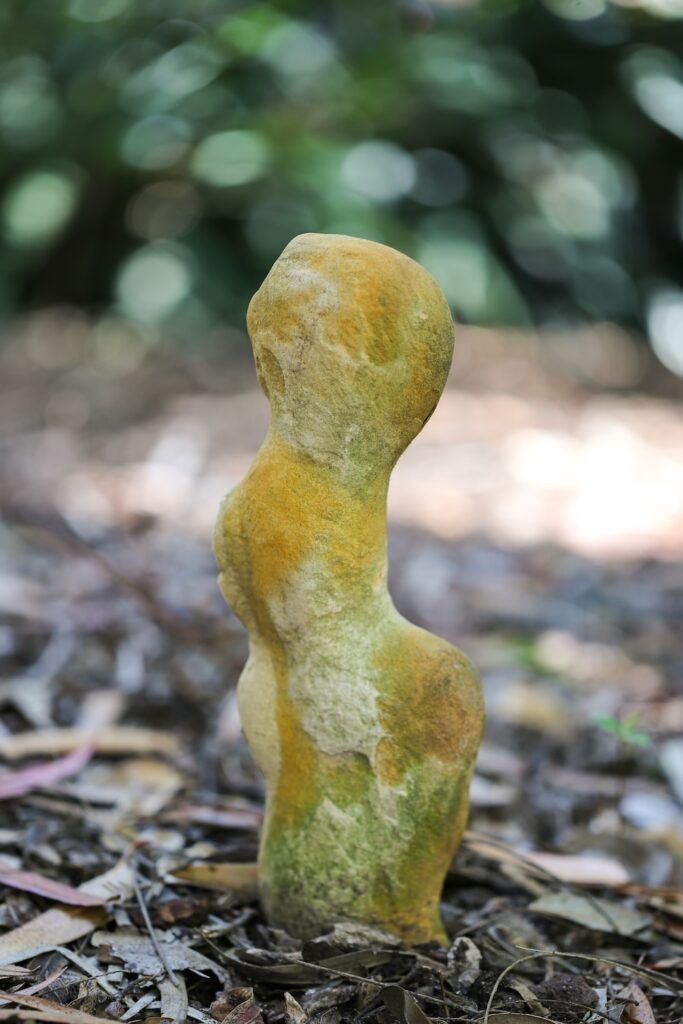
My favorite part of the Shade Palm Garden are the many “concretions” which are hard, mineral masses that form within rock layers. Famous examples of concretions are the Moeraki Boulders in New Zealand or the rocks on Bowling Ball Beach in northern California.
I thought these were man-made when I first saw them. Madame Walska’s concretions were purchased from a collector and were painted as folk art figures but the paint has since weathered and disappeared.
Theatre Garden
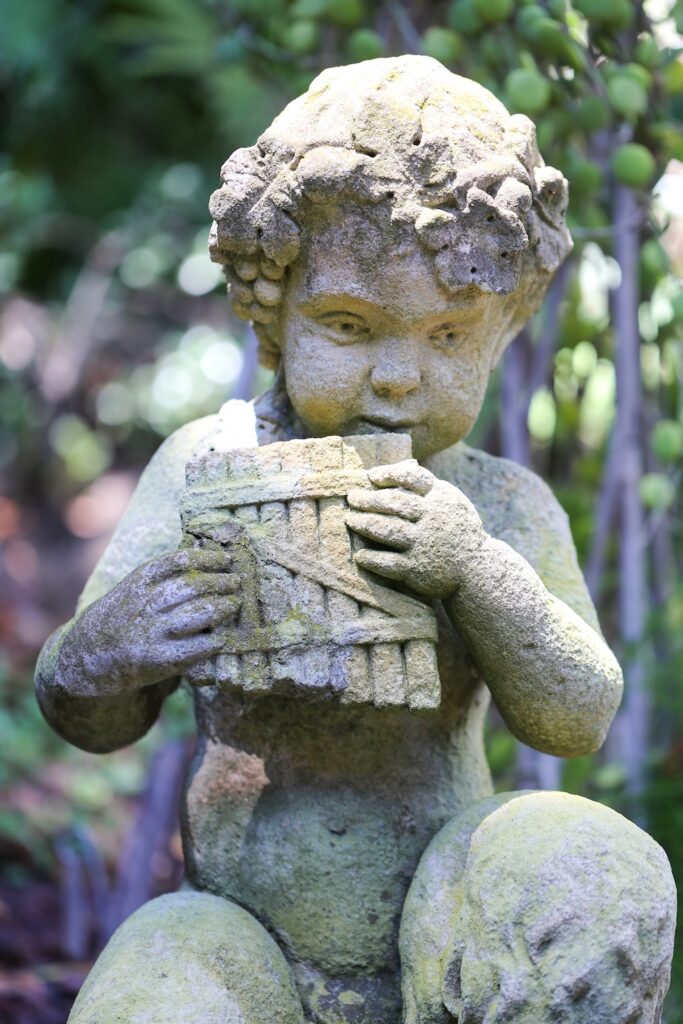
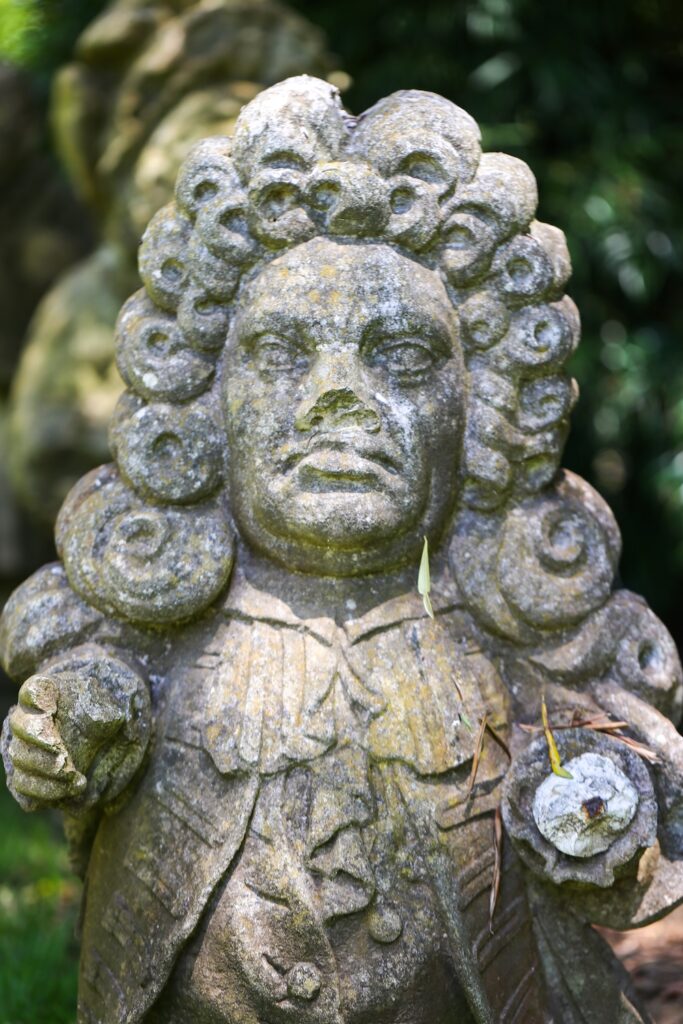
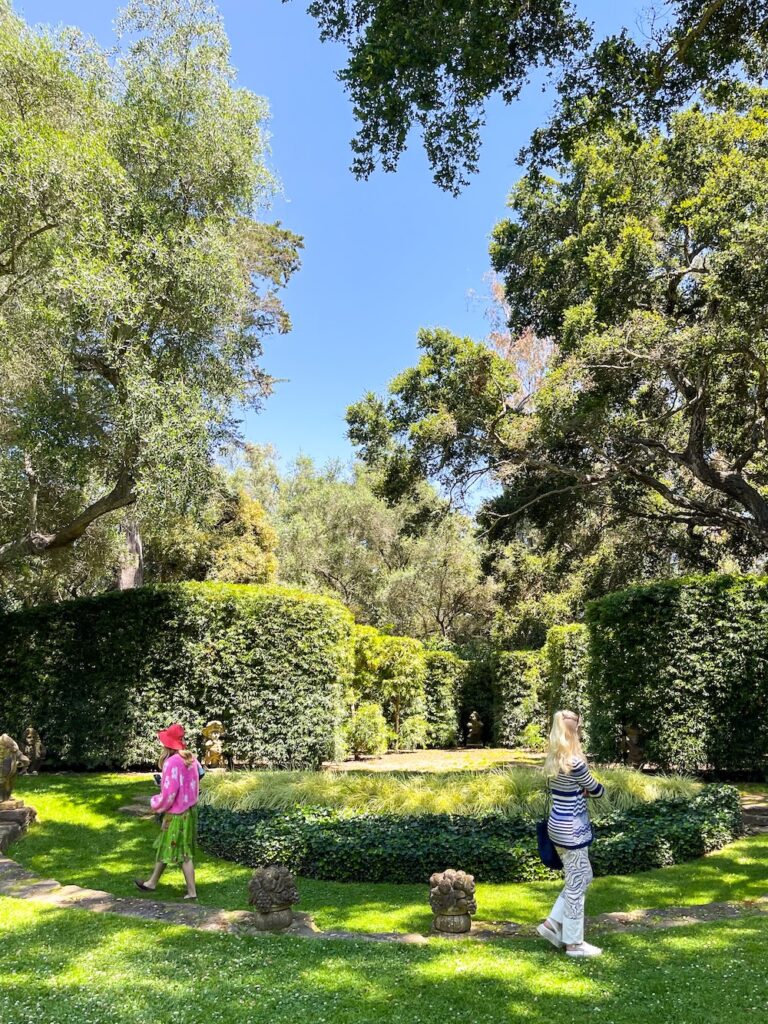
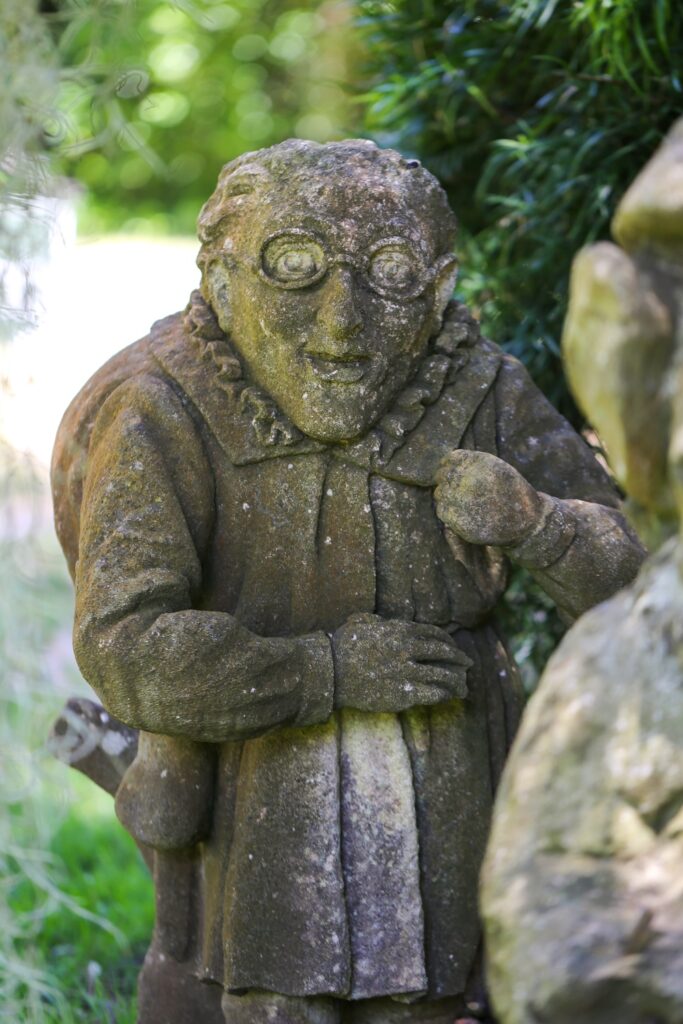
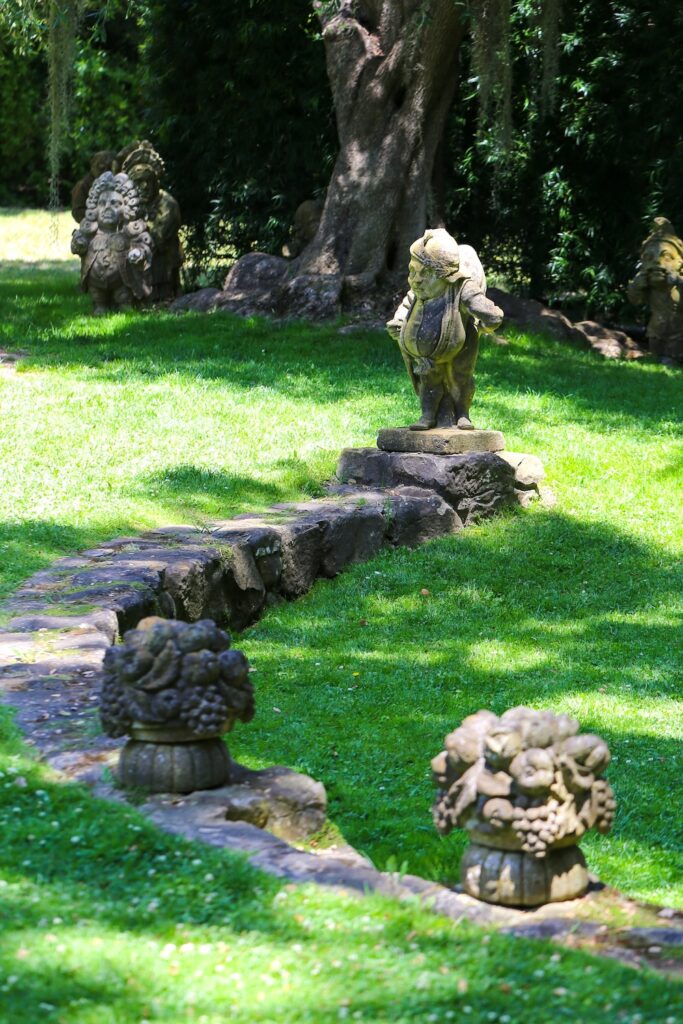
The Theatre Garden reminds us that Madame Walska was first a performer! The garden features many unusual stone statues depicting theatre architypes.
Bromeliad Garden
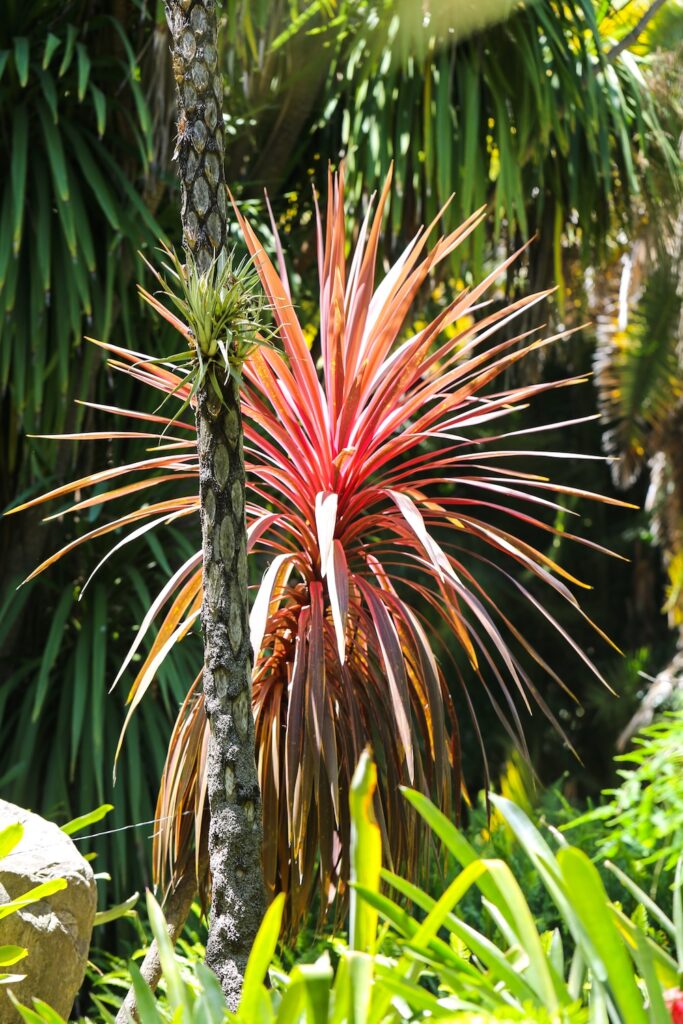
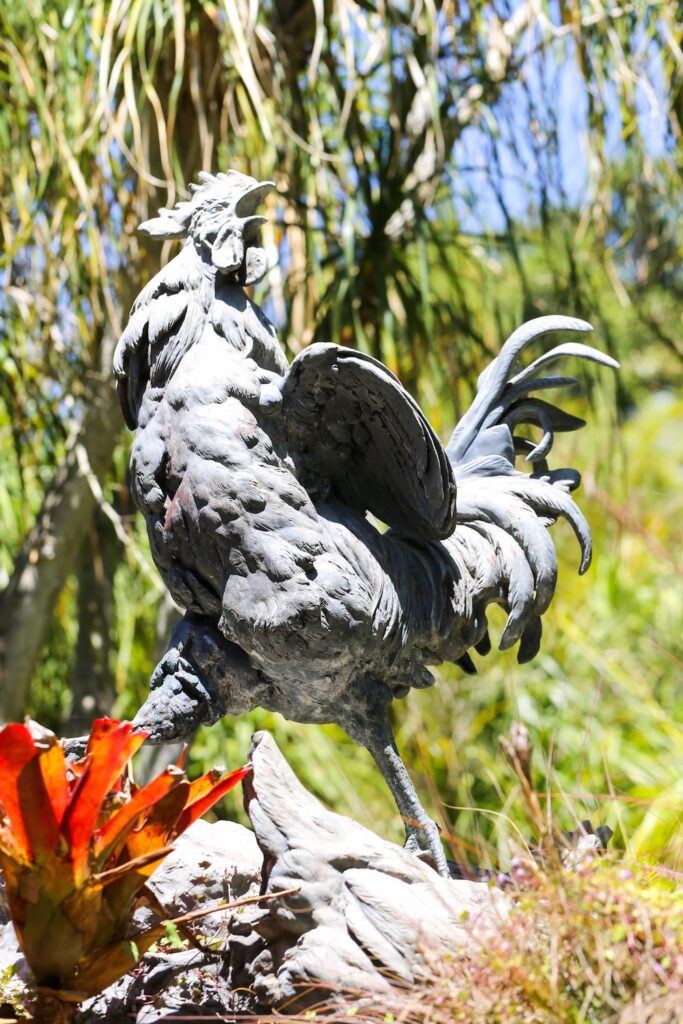
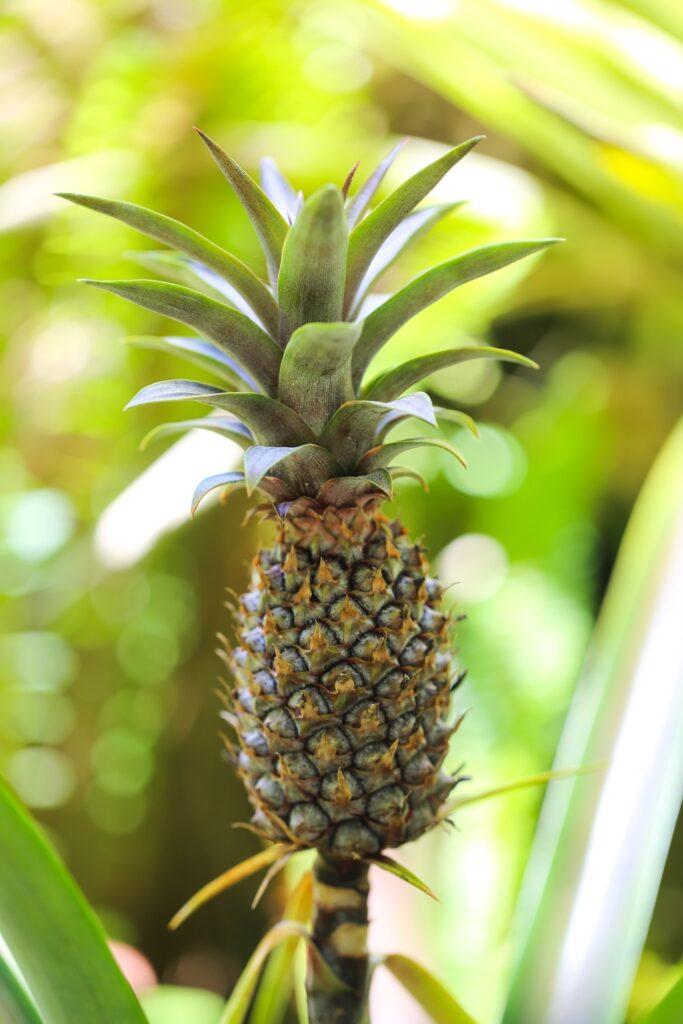
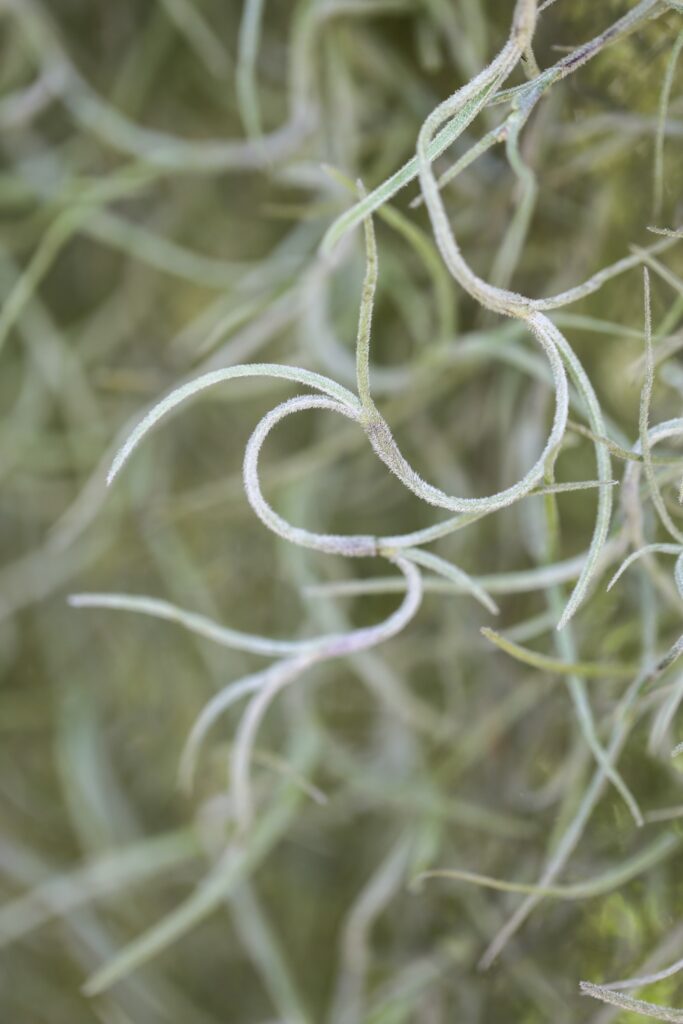
The Bromeliad Garden drips with Spanish Moss and features The Rooster Grotto and tiny pineapples!
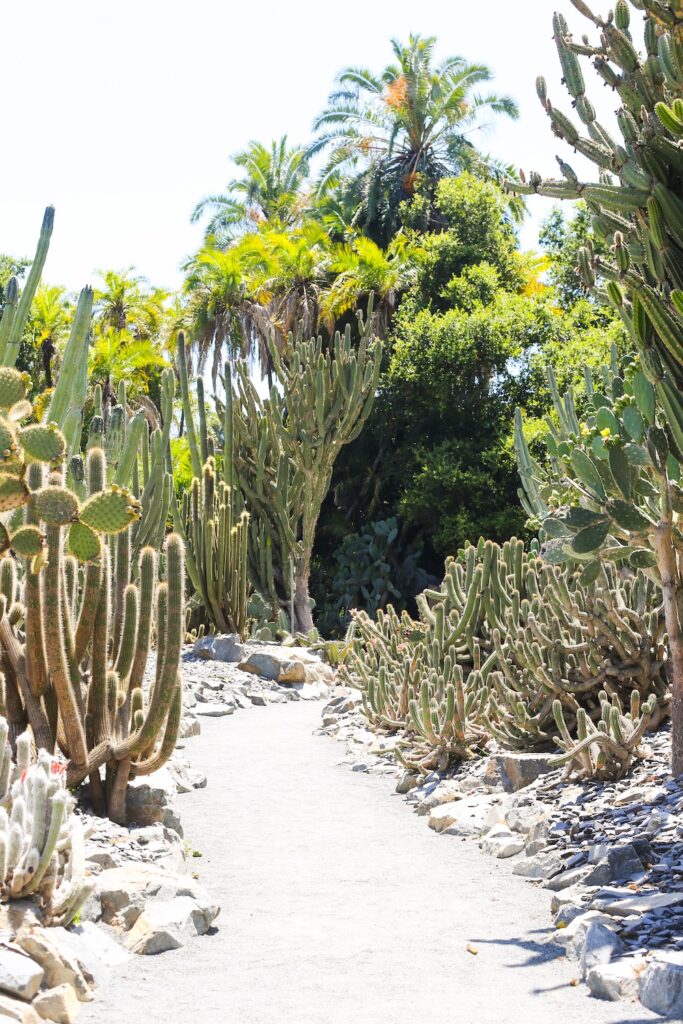
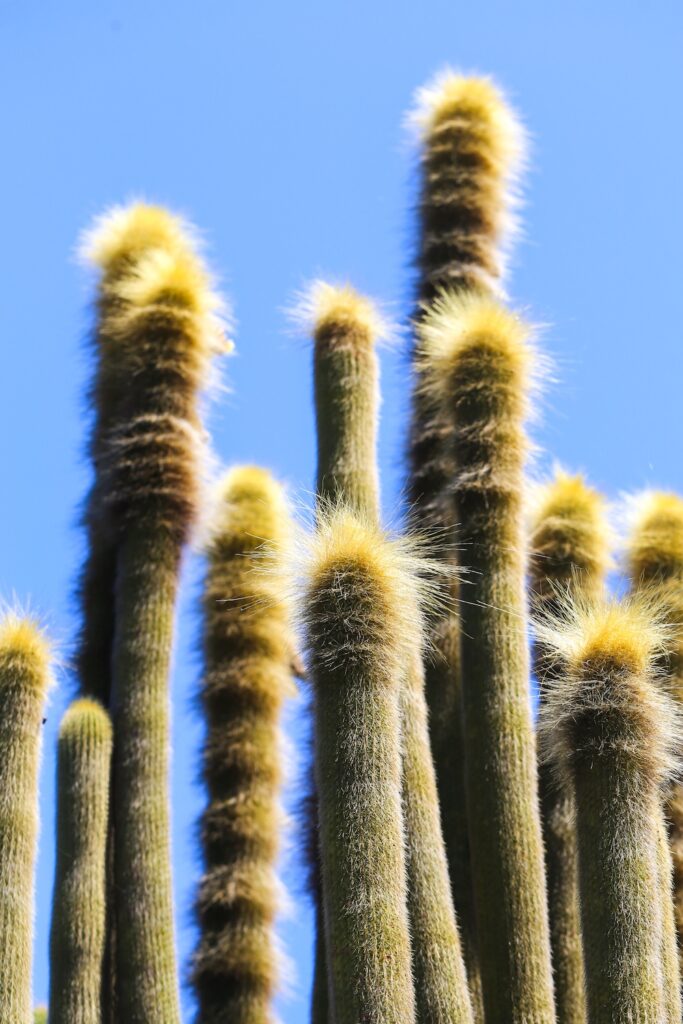
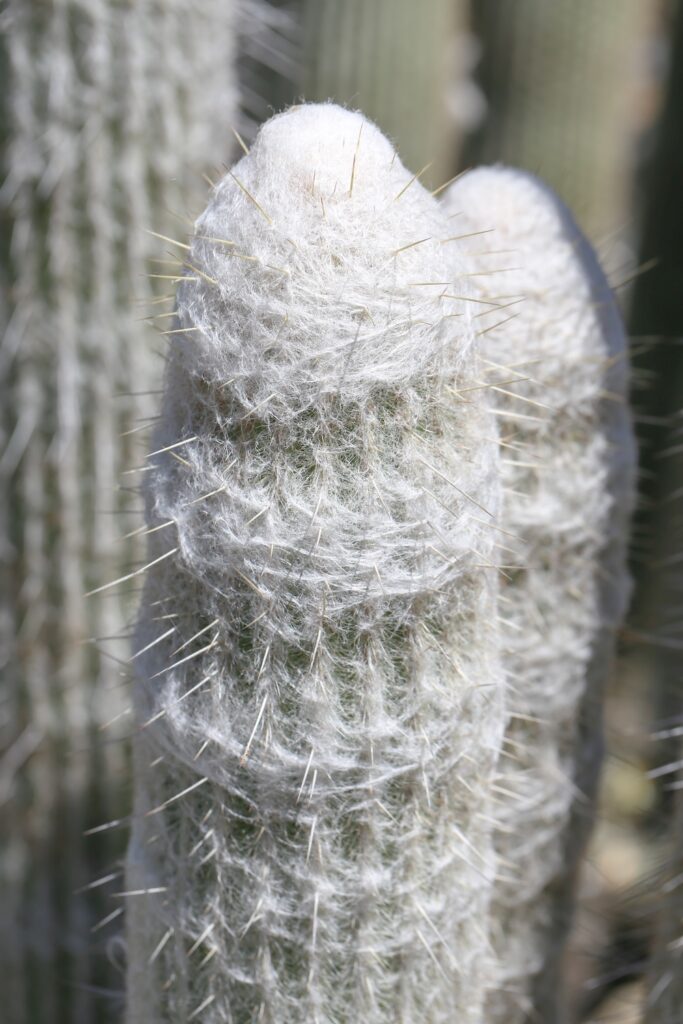
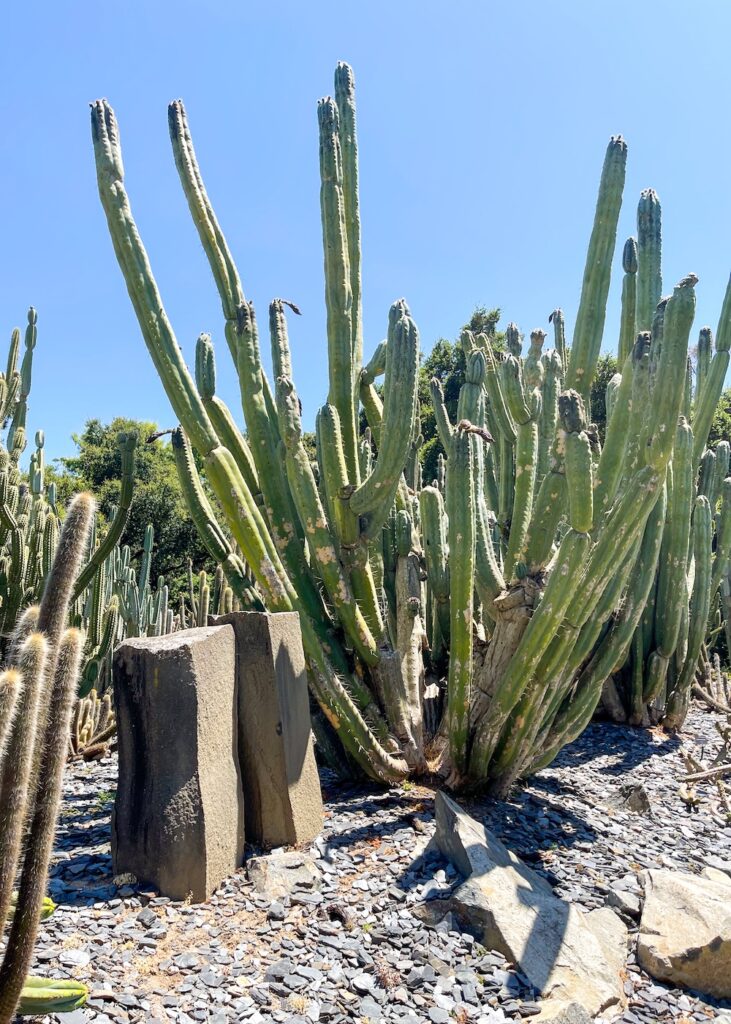
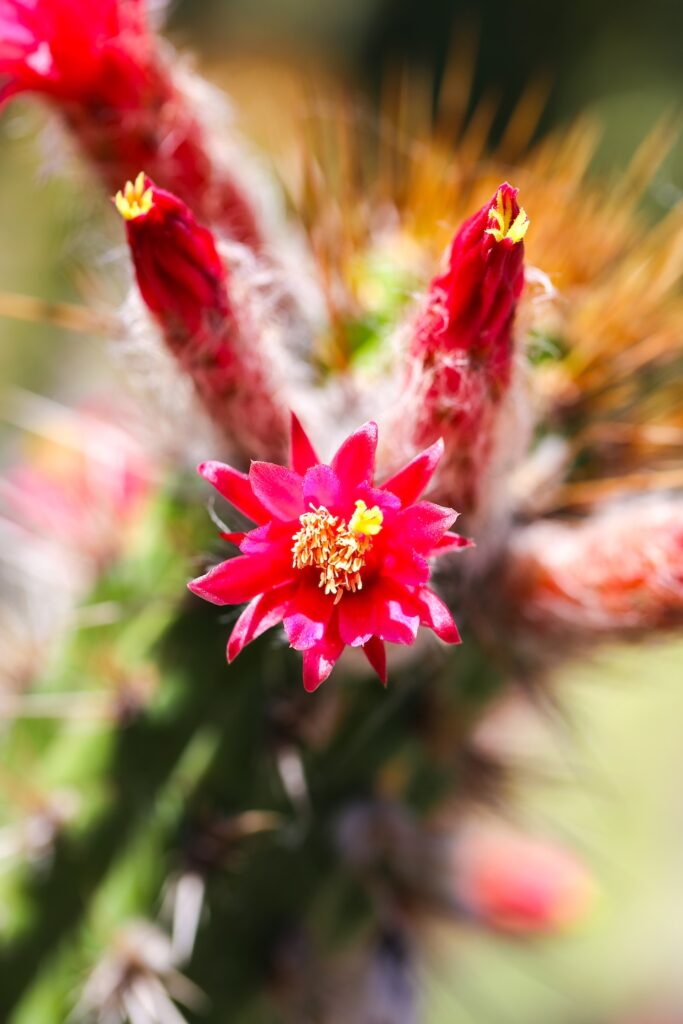
Cactus Garden
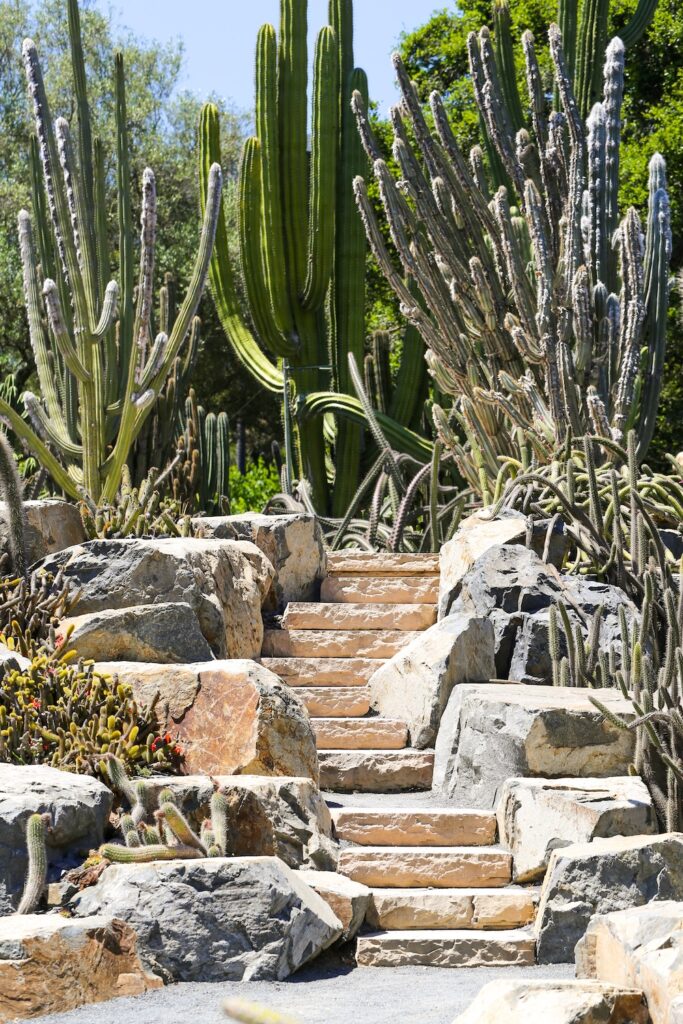
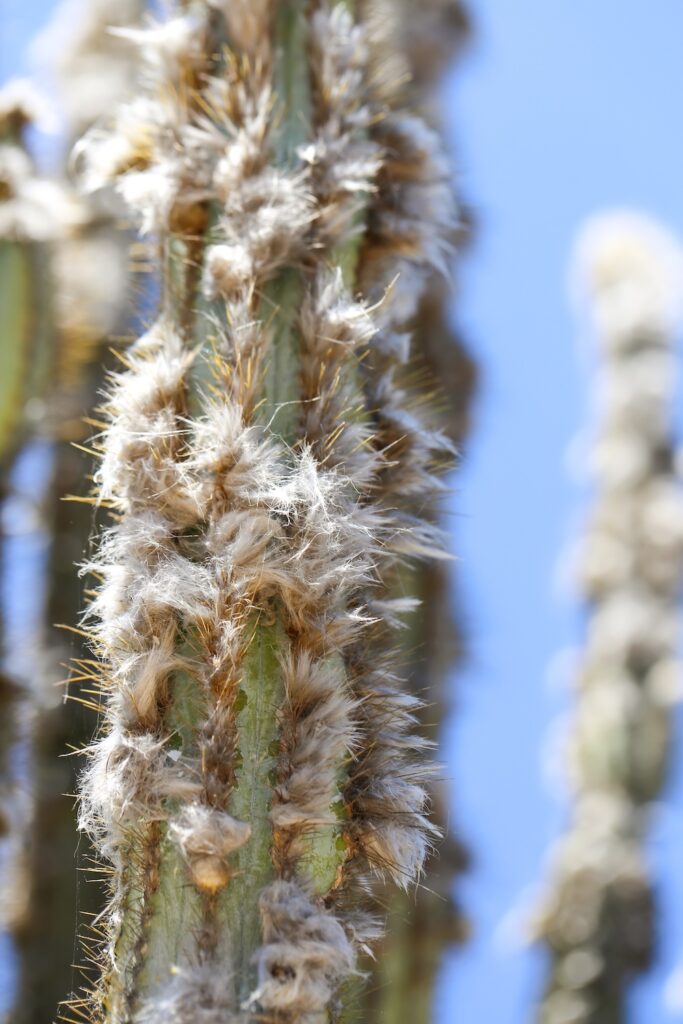
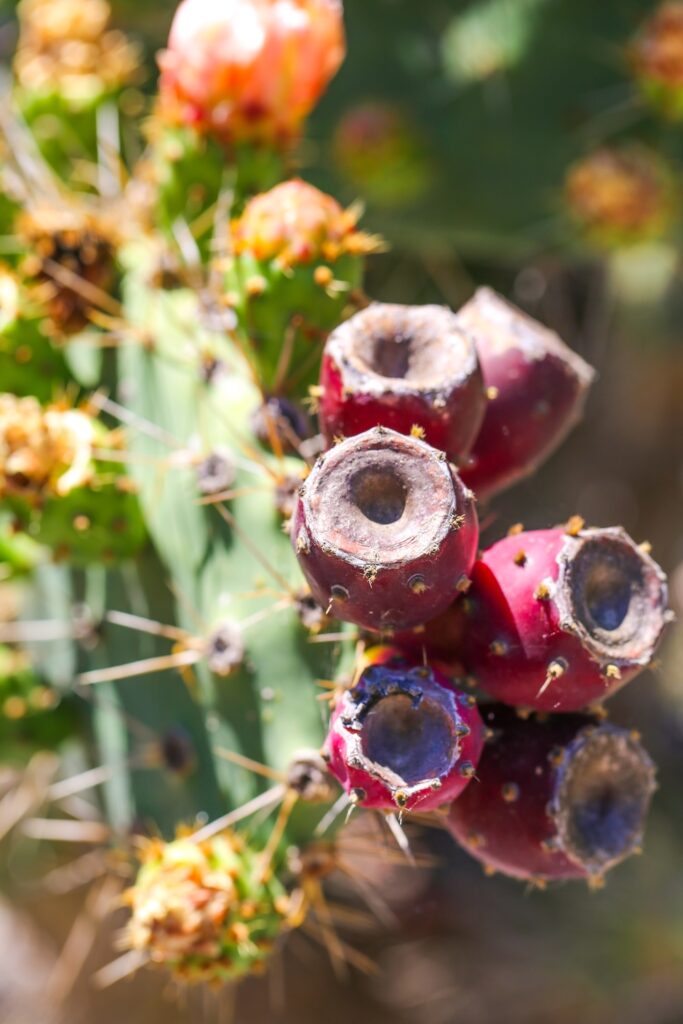
Featuring a stunning array of rare and exotic cacti from various parts of the world, the Cactus Garden was one of my favorite parts of the Lotusland tour!
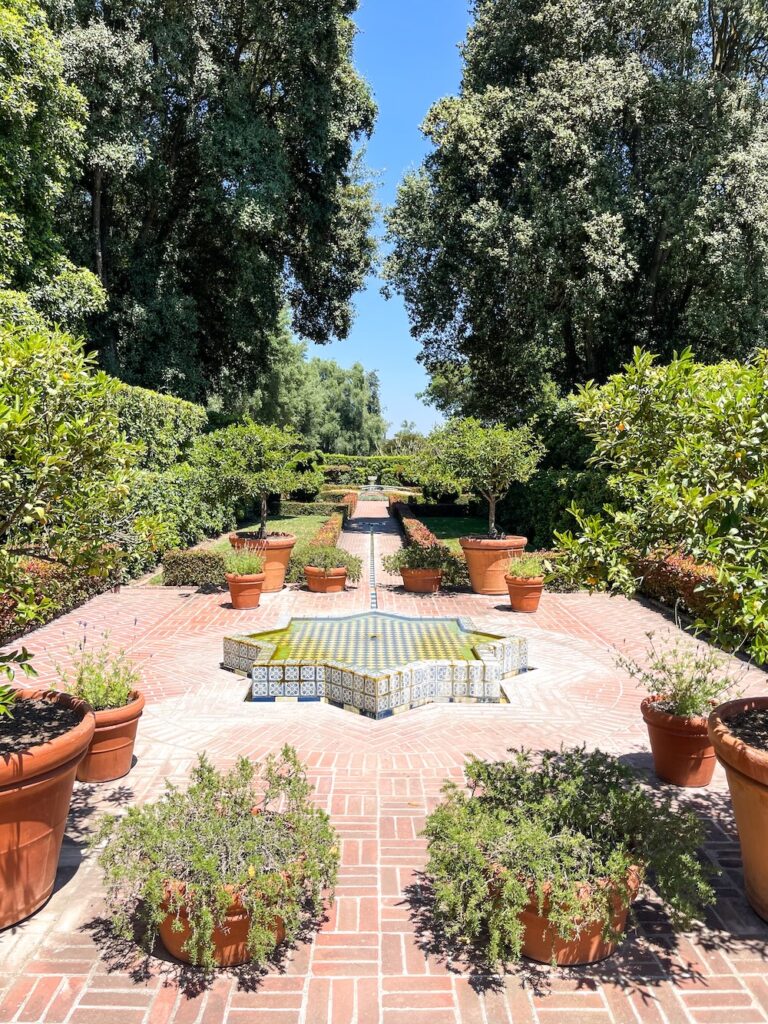
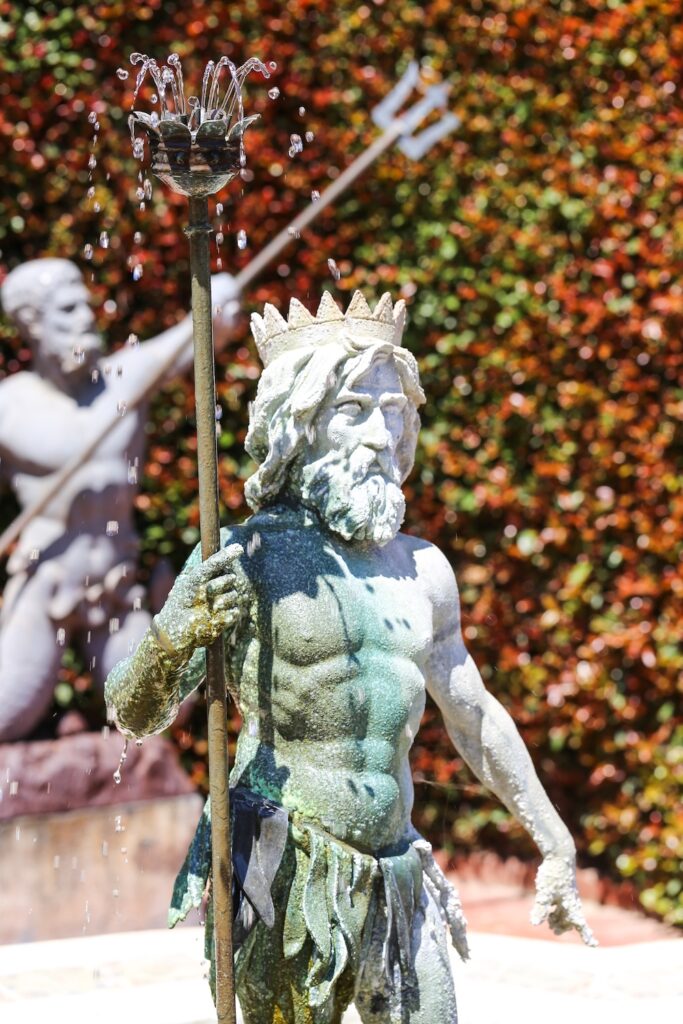
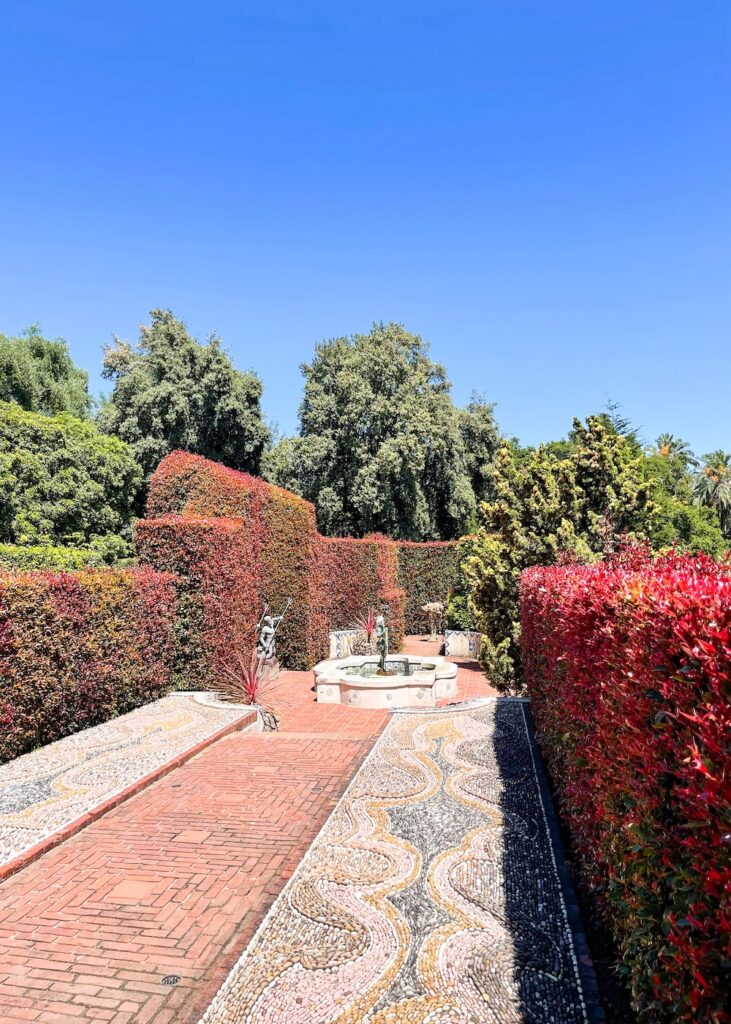
The Parterre
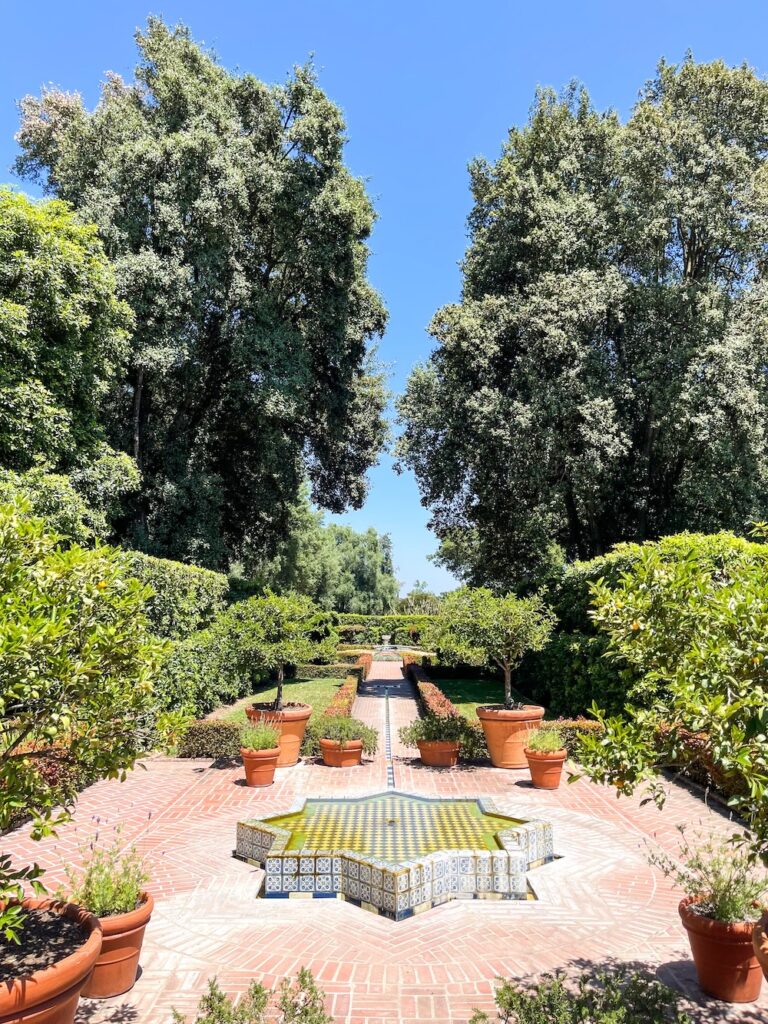
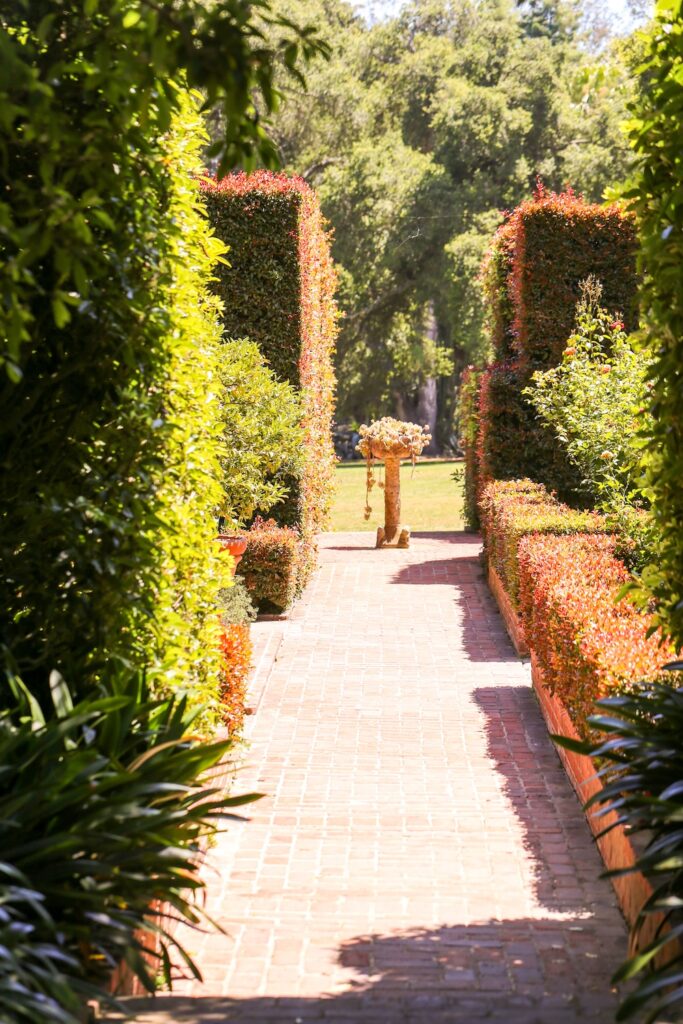
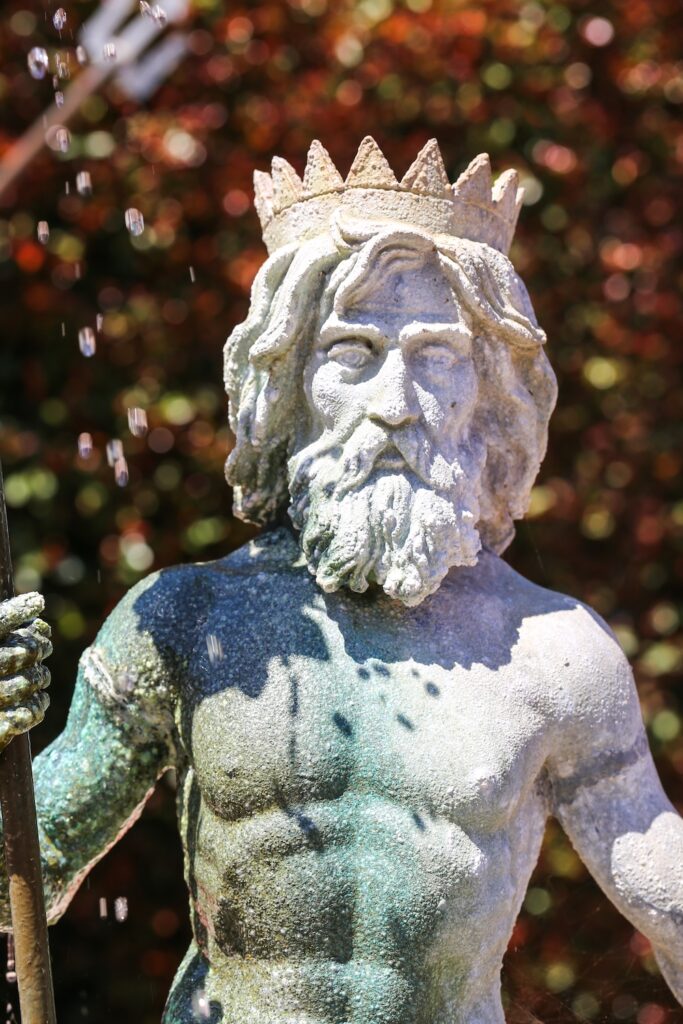
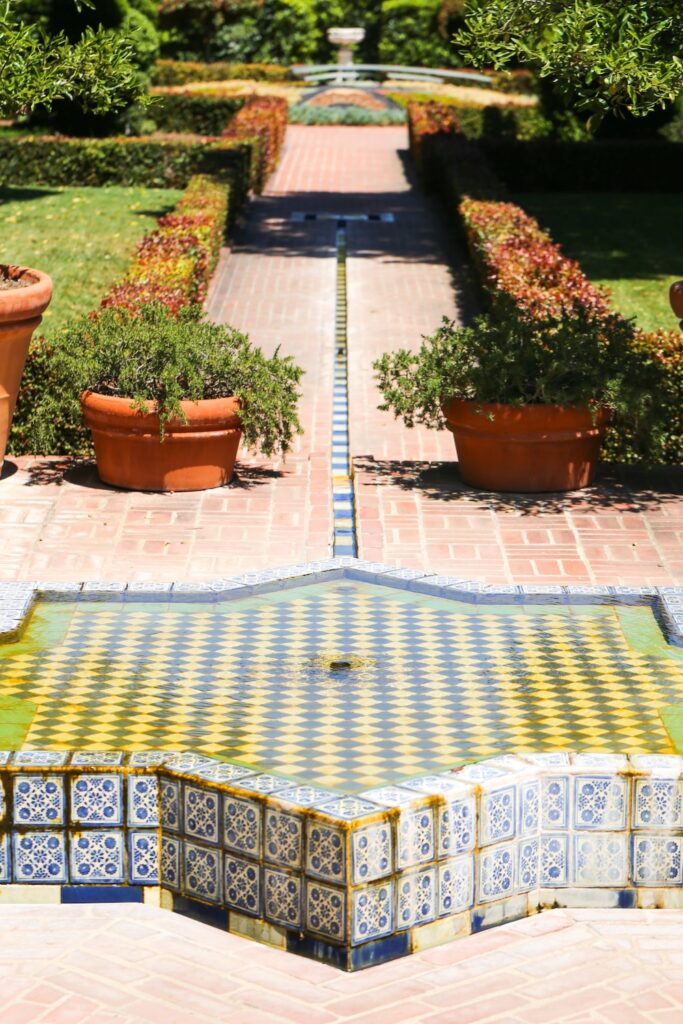
The Parterre features the Moorish Star Fountain, Neptune’s Fountain, and pebble mosaics.
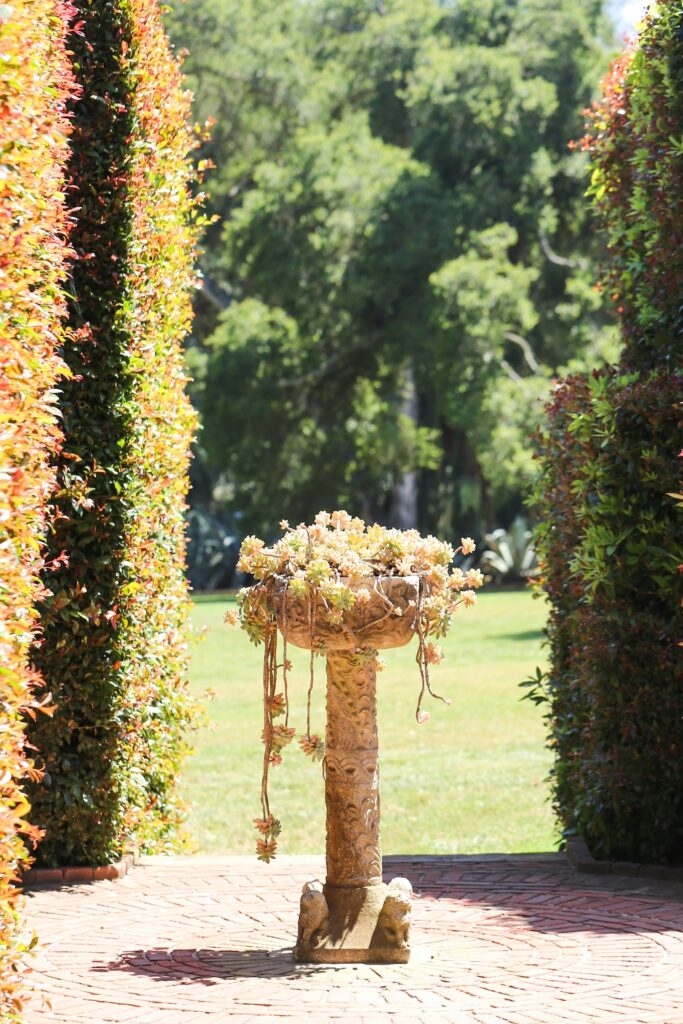
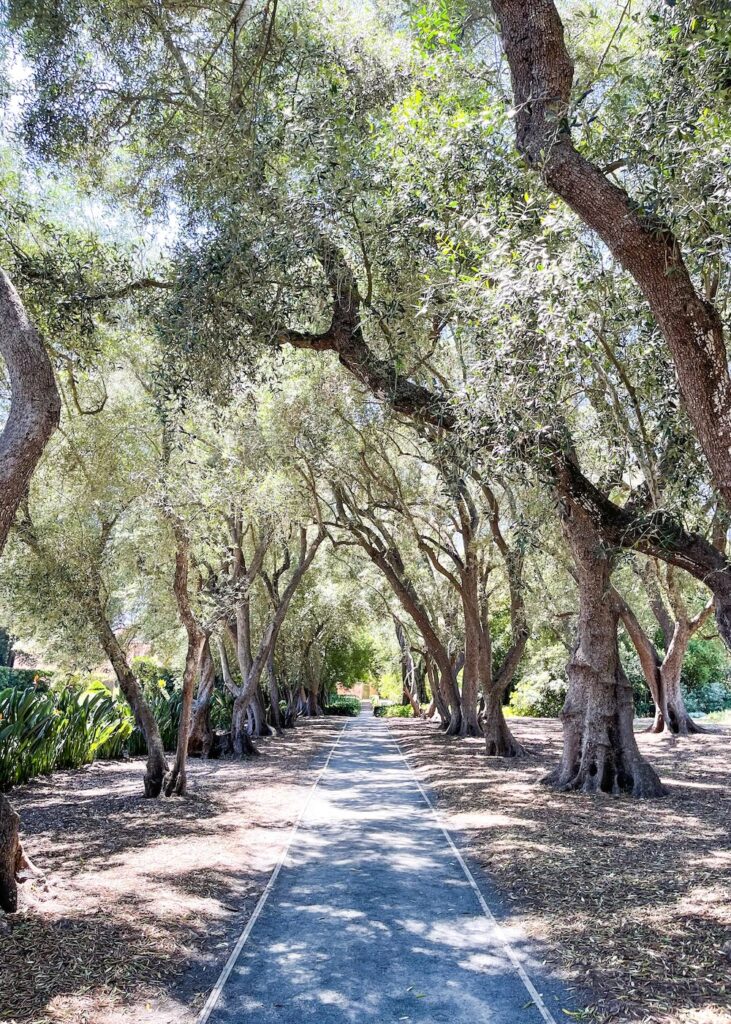
Olive Allee
The Olive Allee includes several types of olive trees as well as pomegranate trees and leads to the backside of the main house.
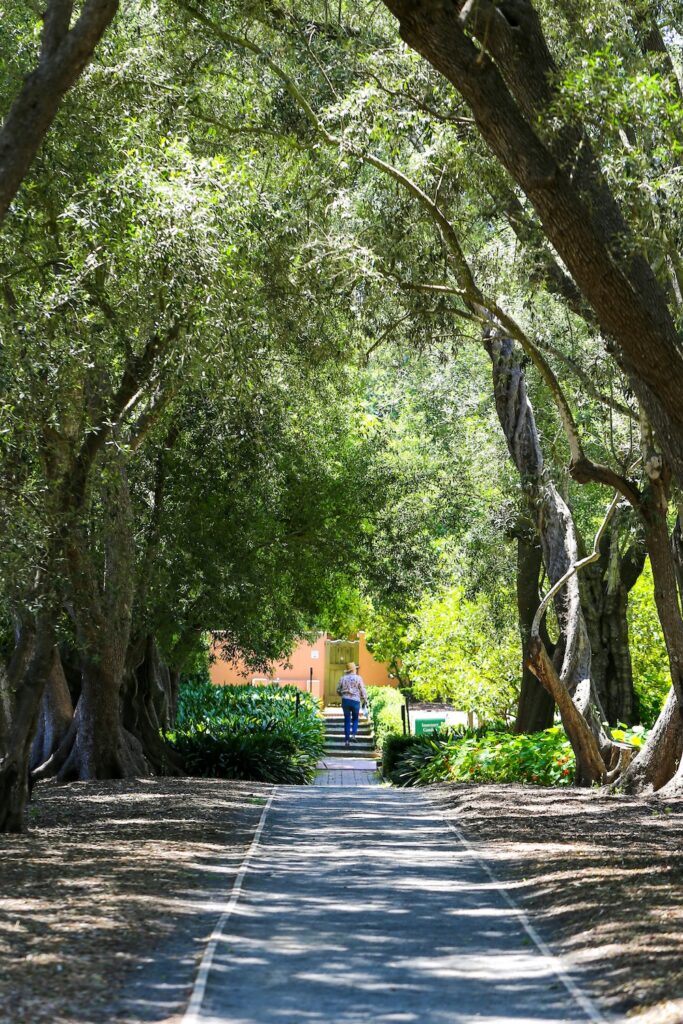
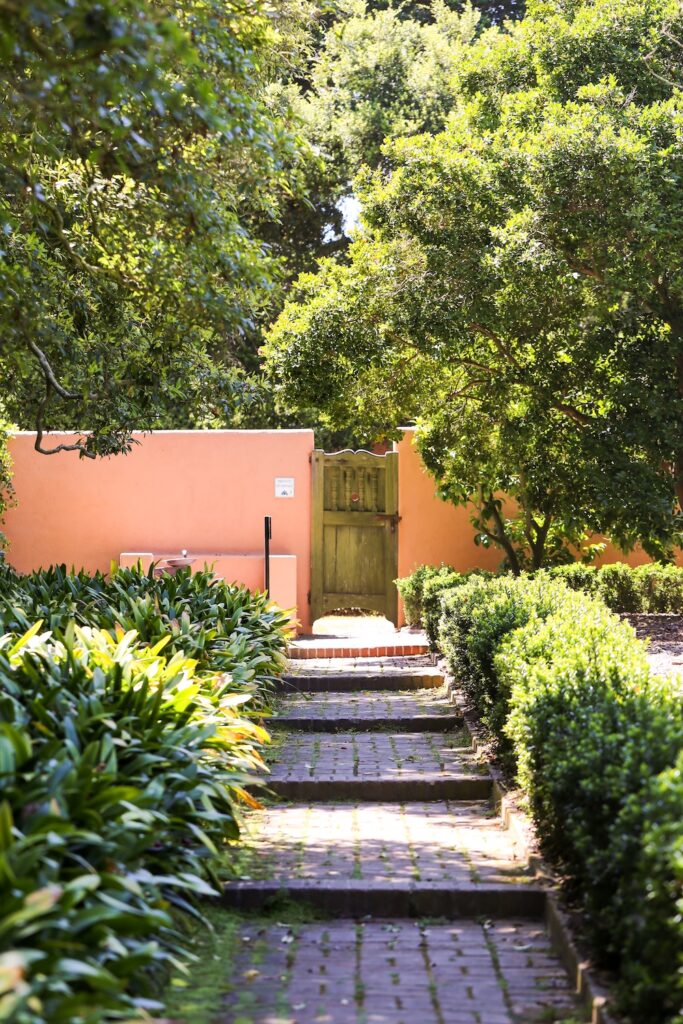
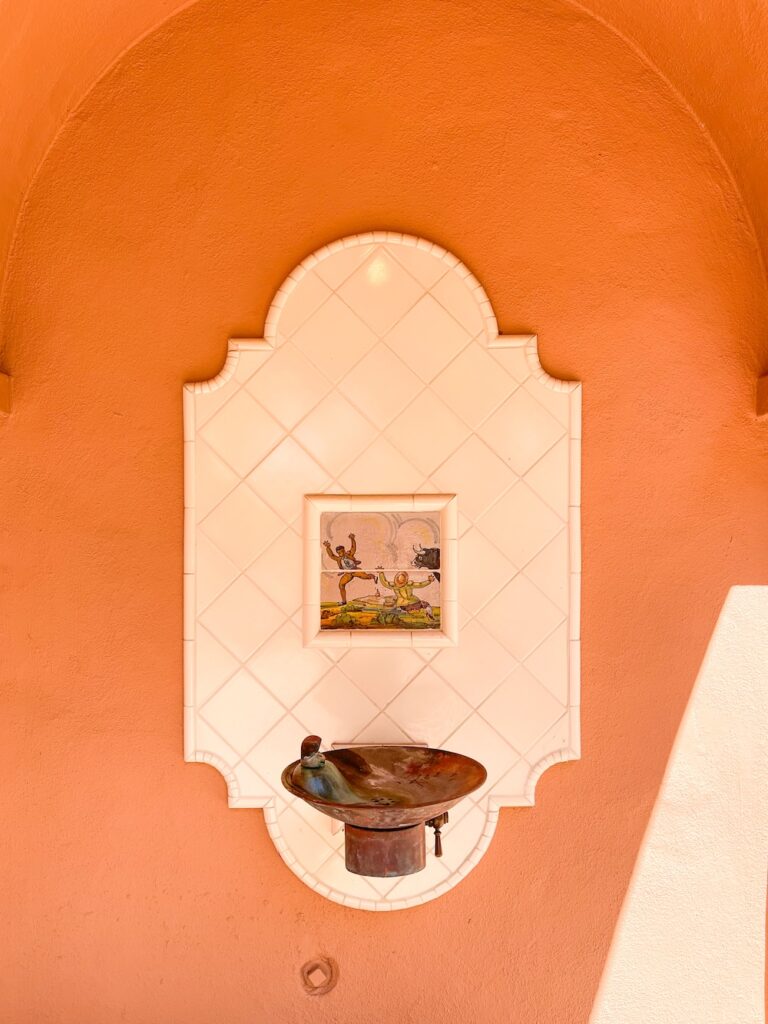
Backside of Main House
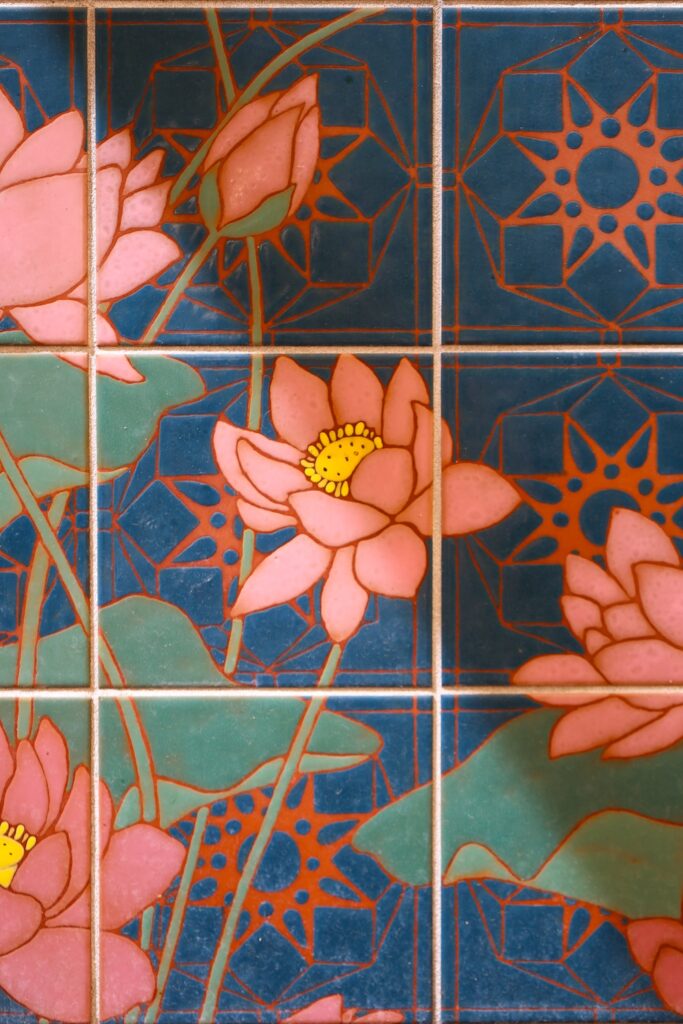
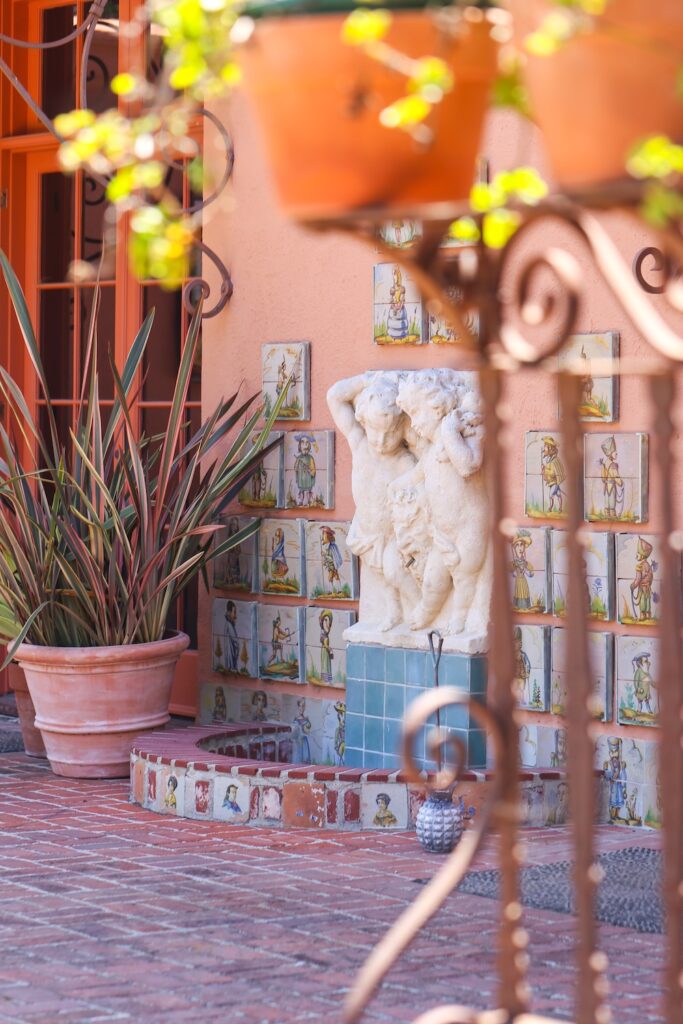
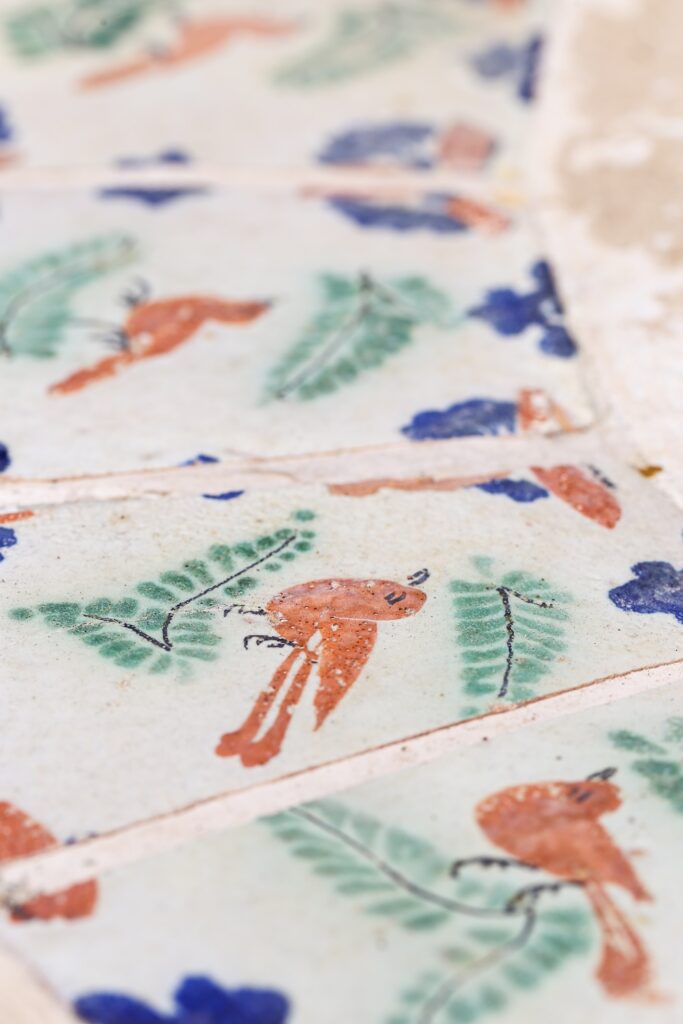
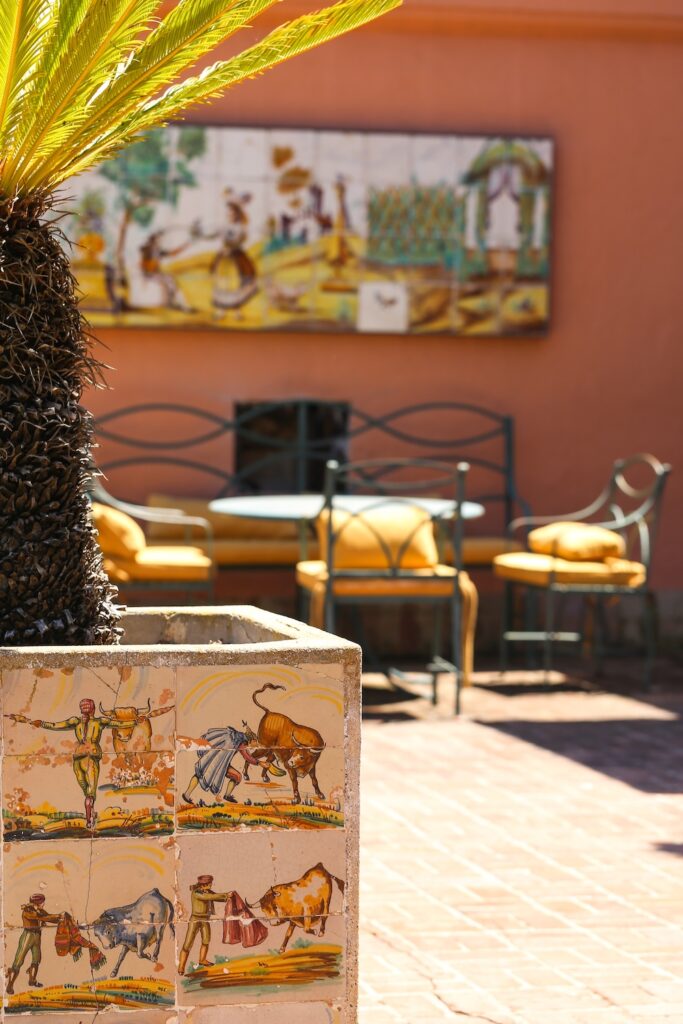
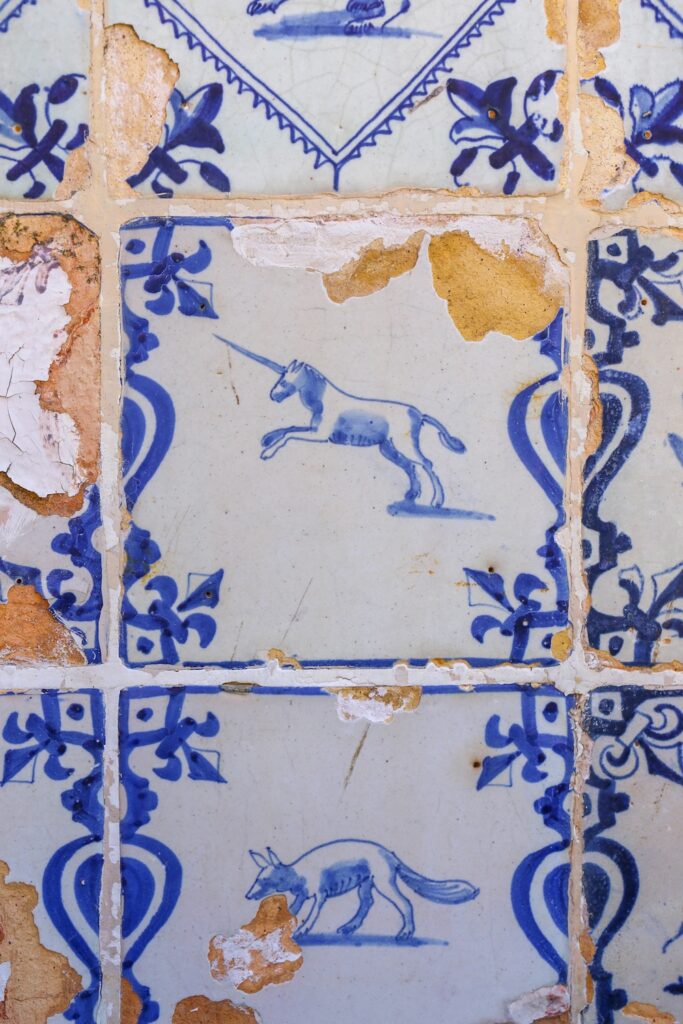
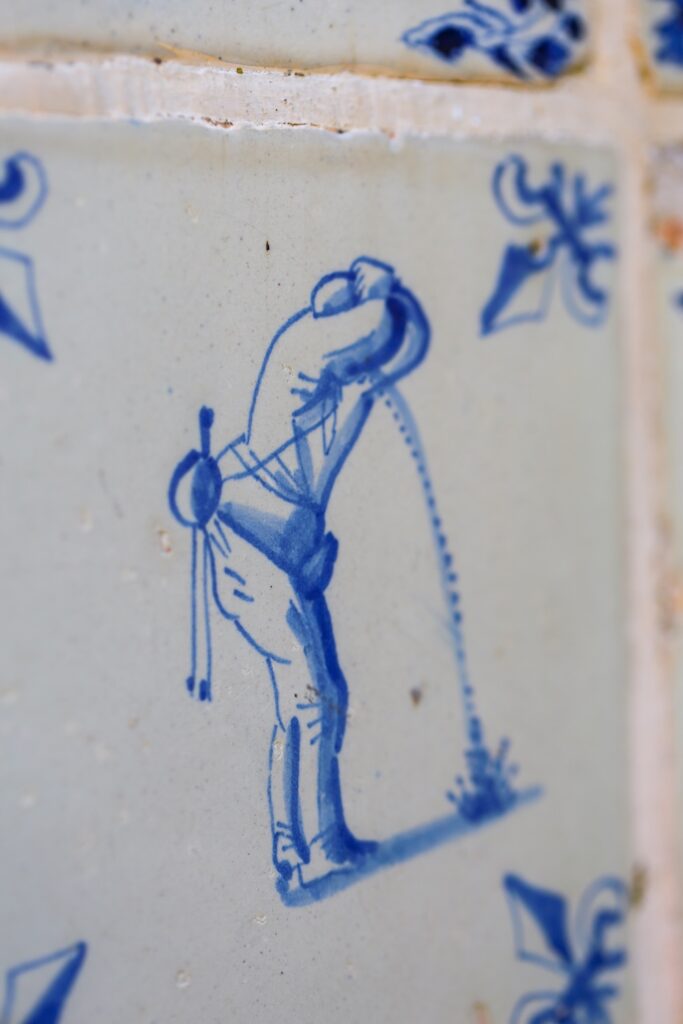
I loved this area of Lotusland with the gorgeous bullfighting tiles!
The Orchards
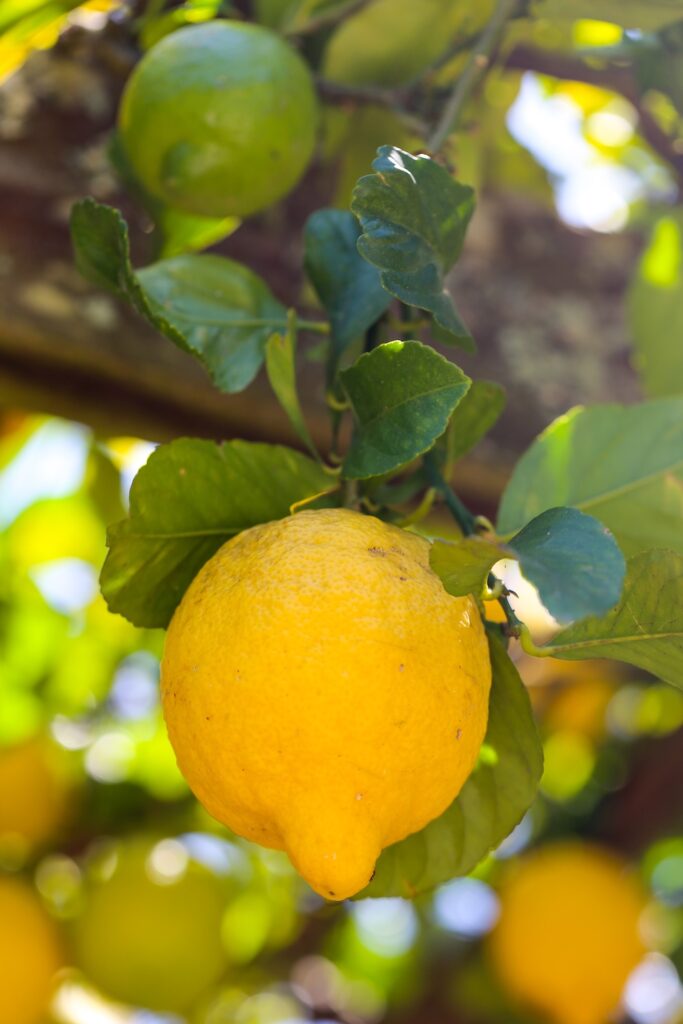
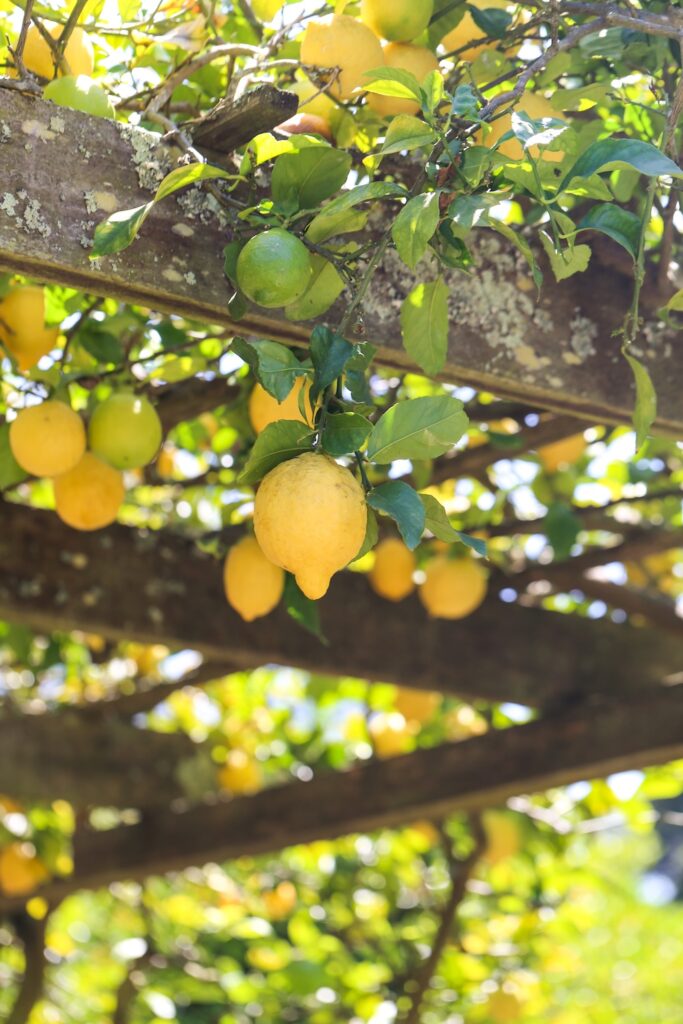
The orchards were already a part of the property when Madame Walska purchased it from the Gavit family, but she kept the trees and added to the orchard which now features apples, cherimoyas, figs, lemons, limes, grapefruits, guavas, kumquats, oranges, peaches, pears, plums, persimmons, and papiyas.
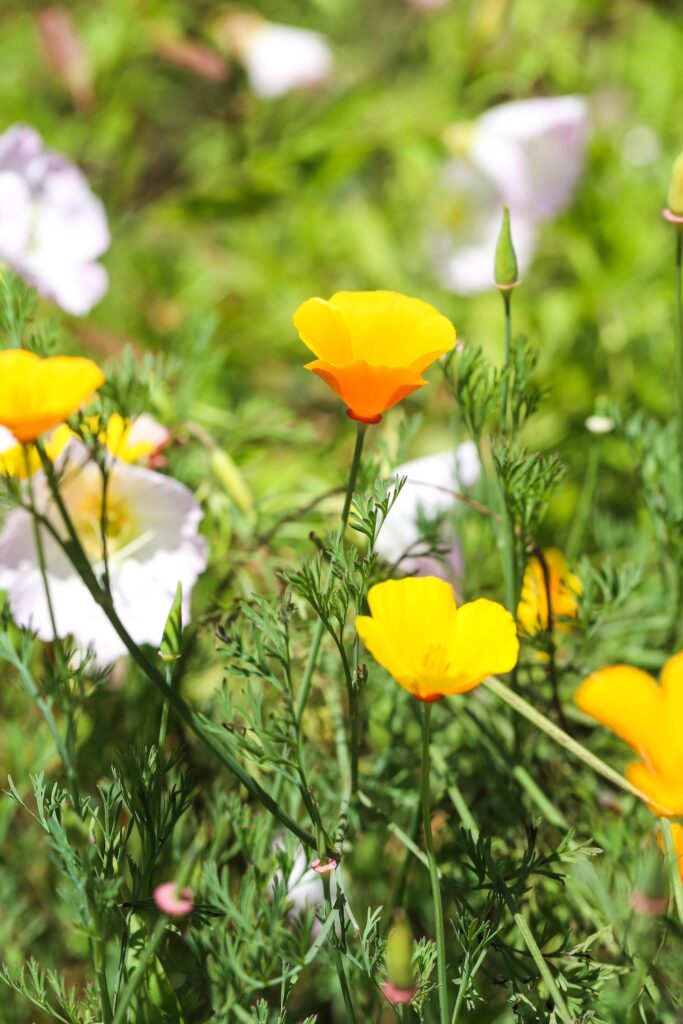
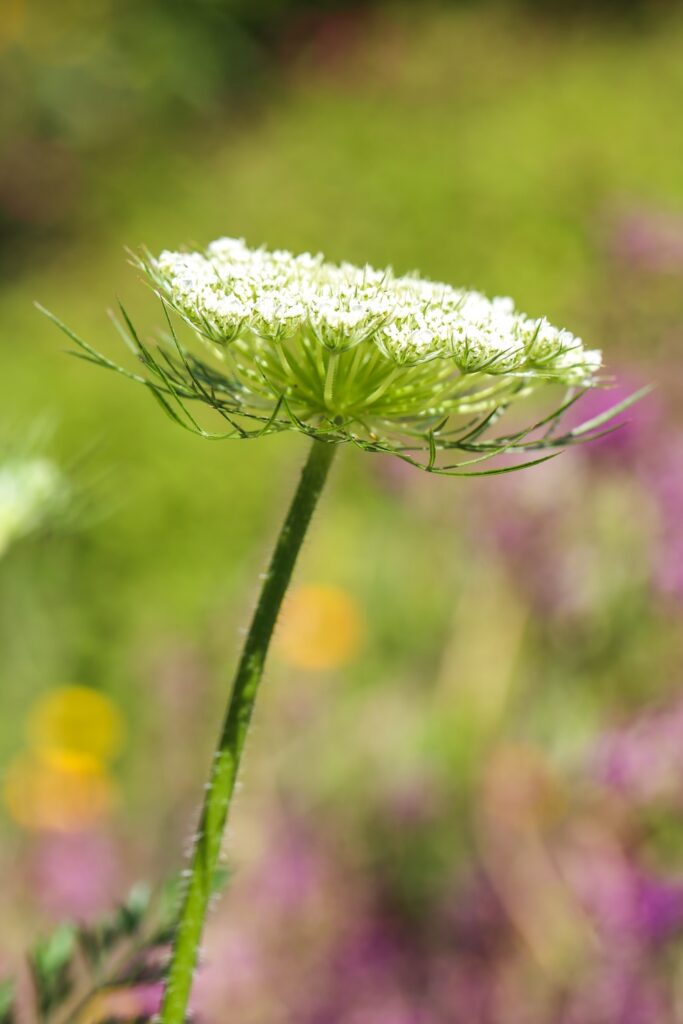
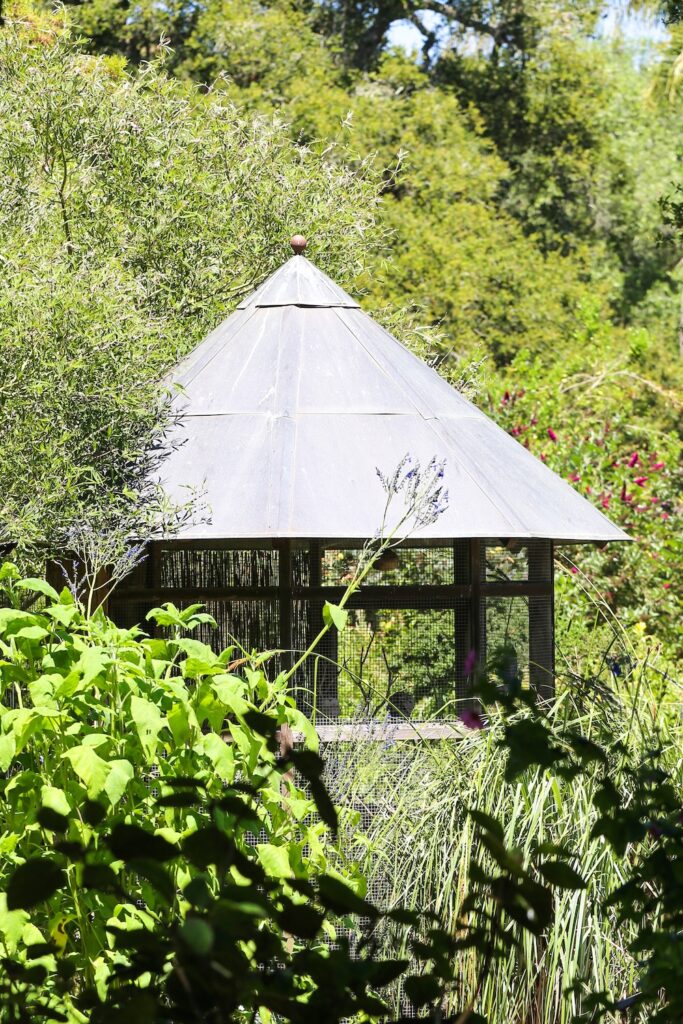
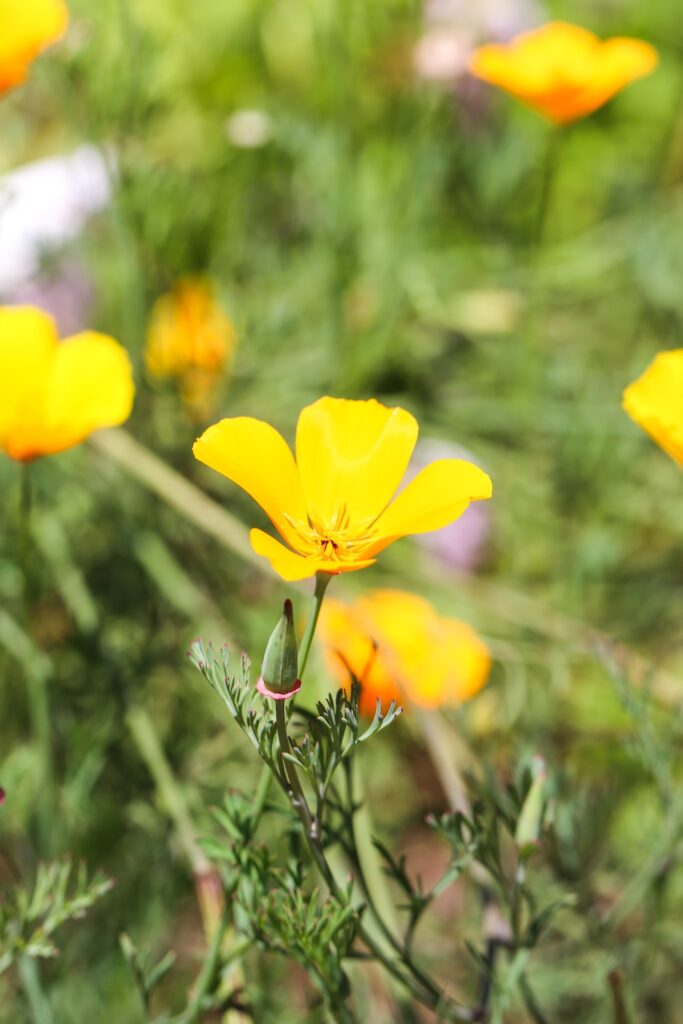
The Insectary Garden featuring the Aviary
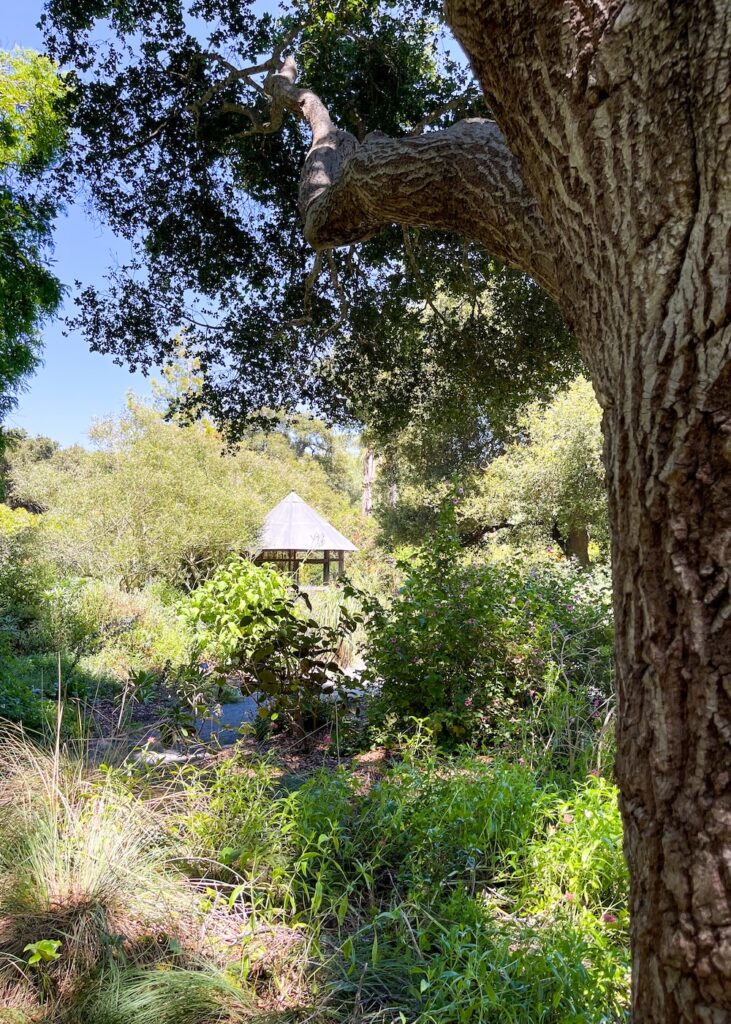
The Insectary Garden attracts all the pollinators with its gorgeous flowers featuring beautiful colors and fragrances! The garden also includes the Dove and Finch Aviary!
Swimming Pool
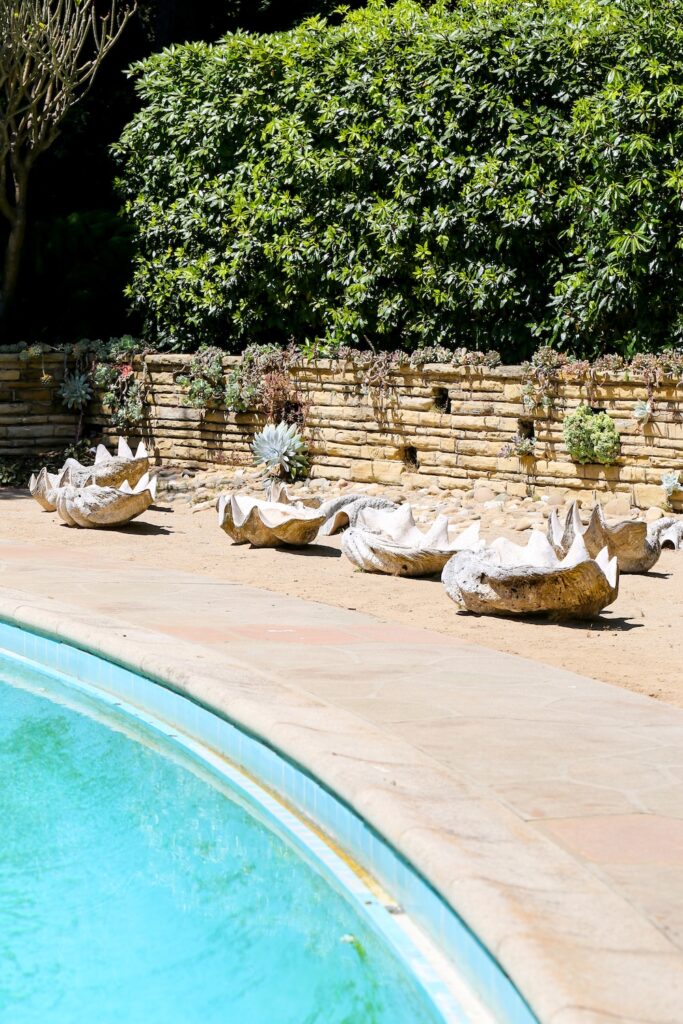
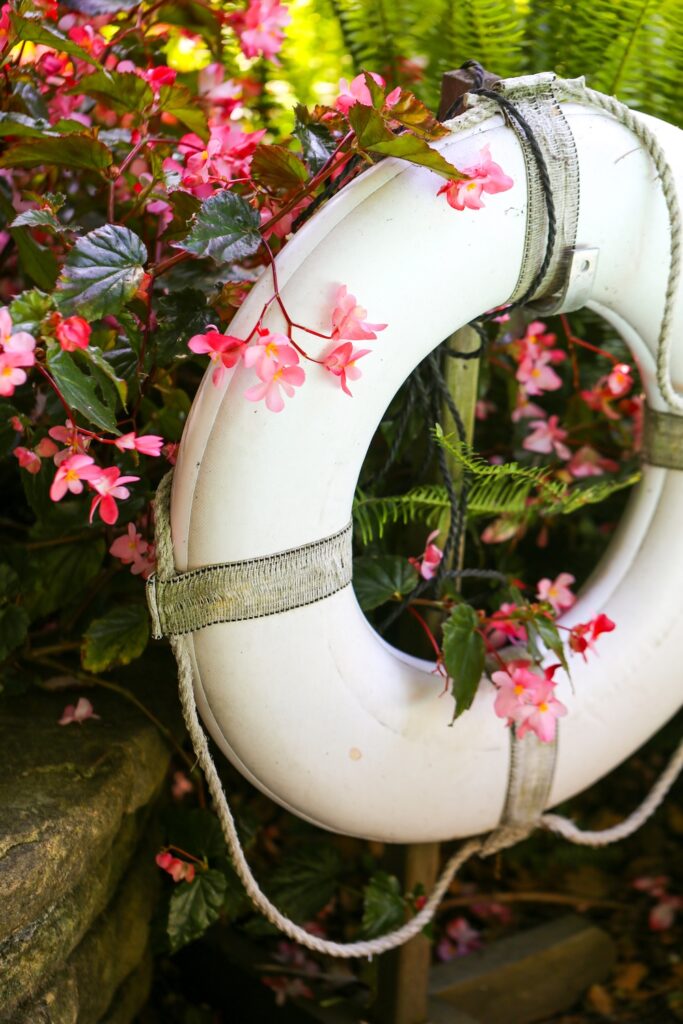
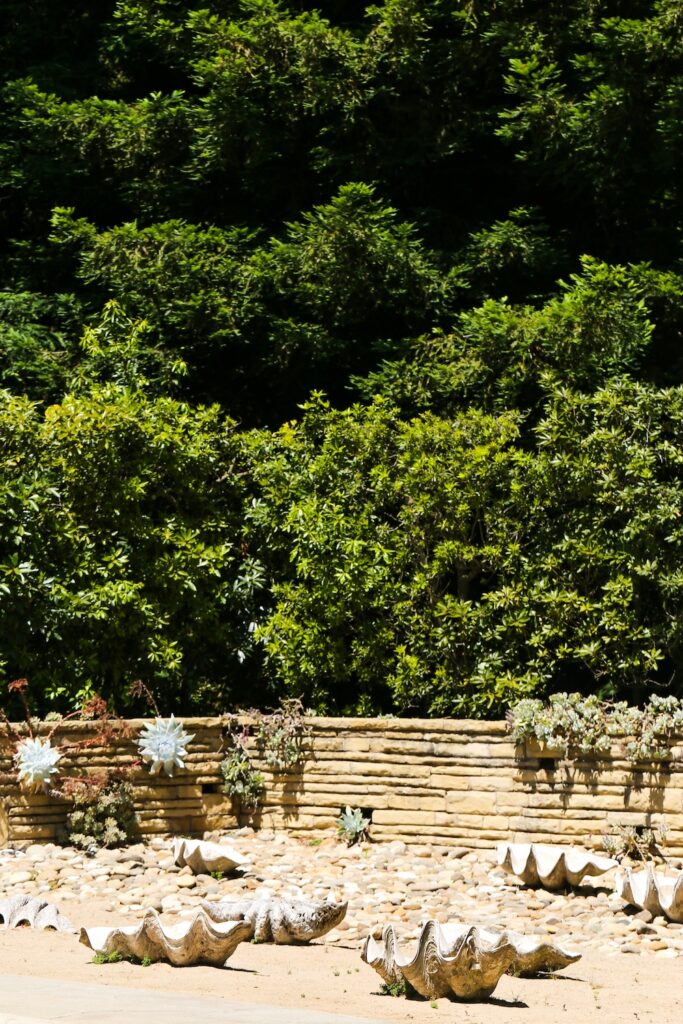
Can you imagine spending the day swimming in this swimming pool amongst all the giant clam shells and beautiful plants?
Dracaena Garden
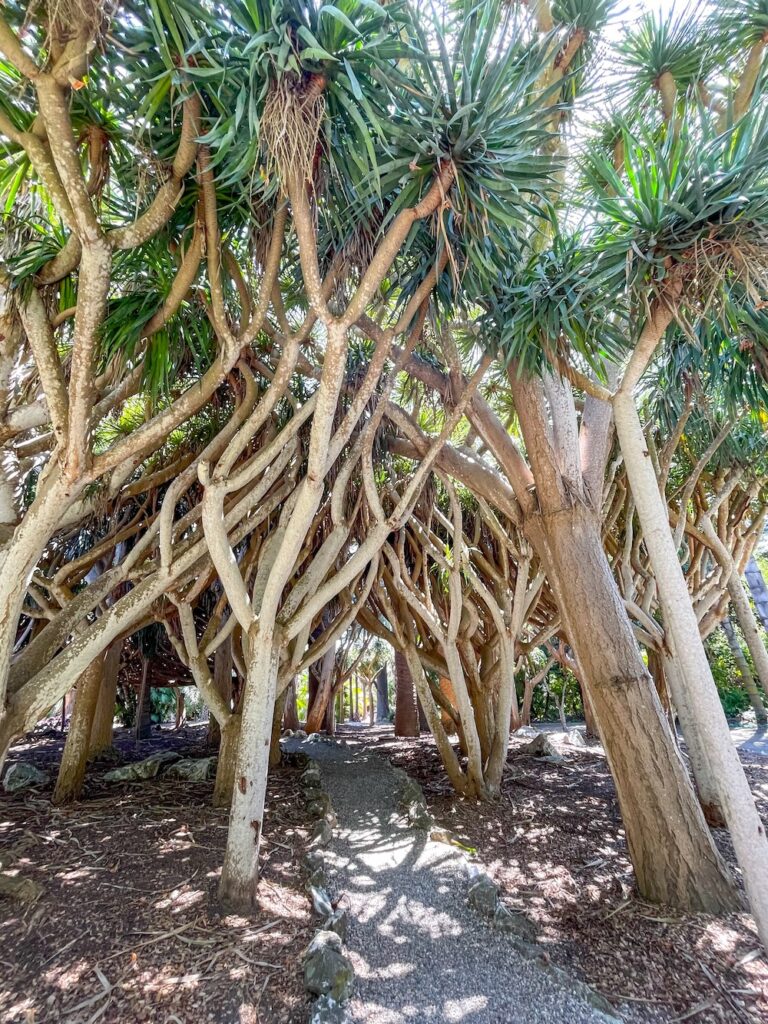
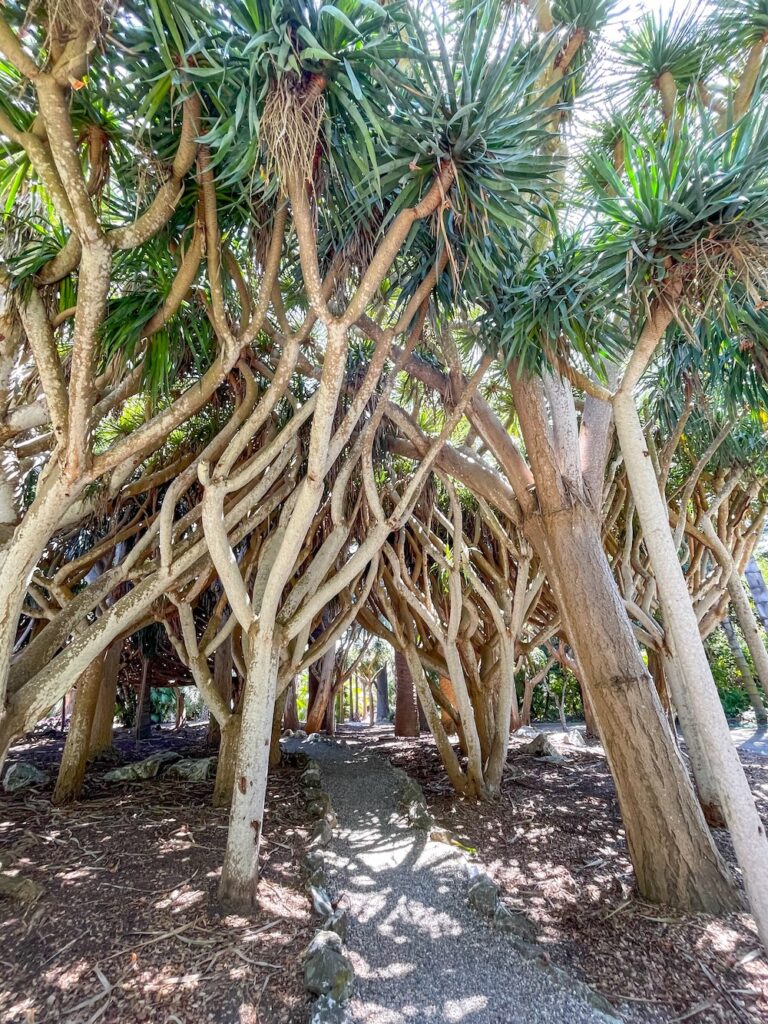
The Dracaena Garden features the iconic “dragon tree” which is native to the Canary Islands off the coast of Spain. They’re named “dragon trees” due to the red sap that oozes from the tree when cut. And draceana resin is a key ingredient and what gives color to the varnish in Stradivari violins!
Main House
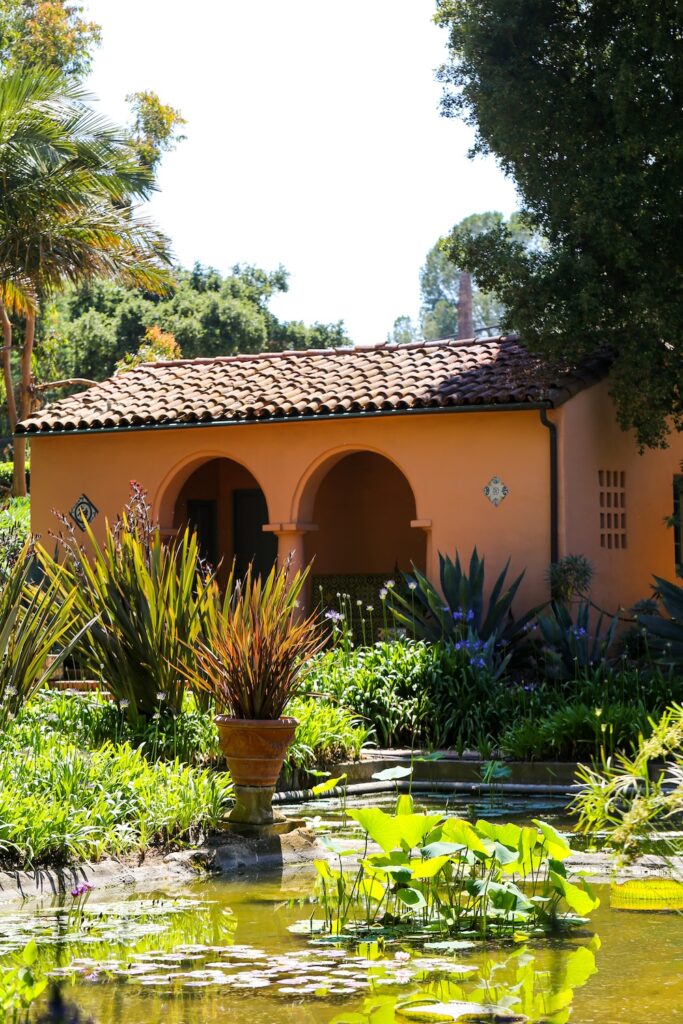
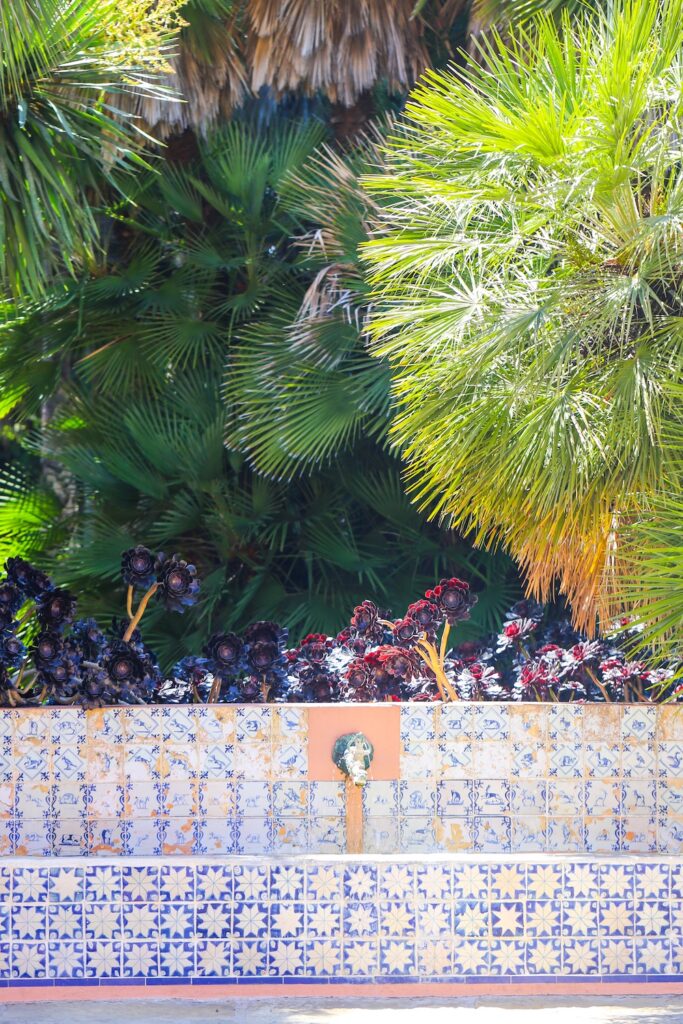
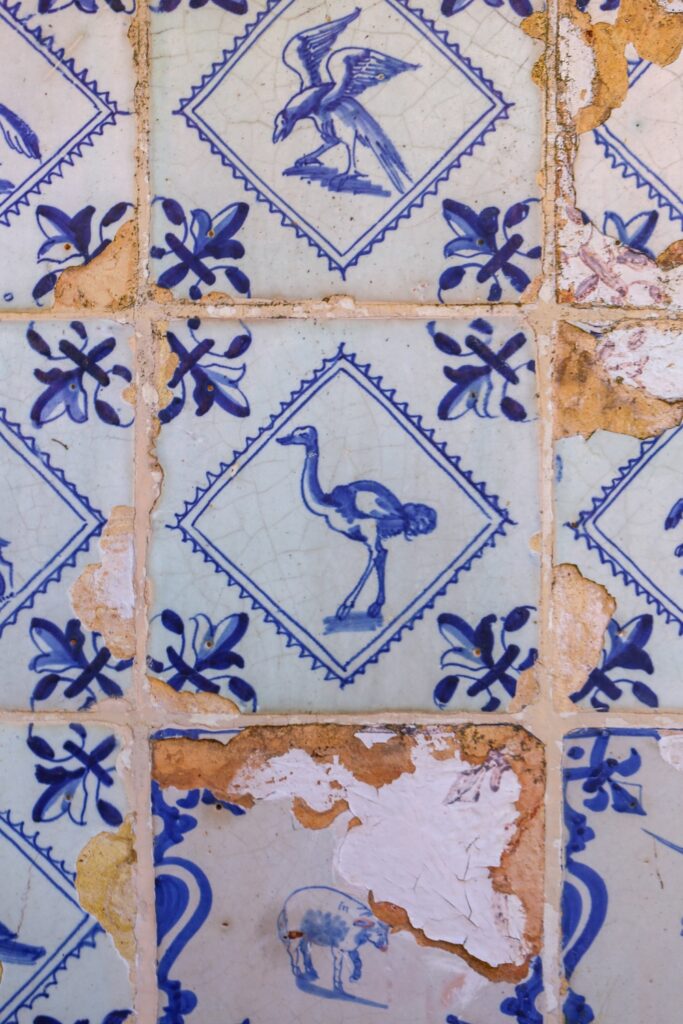
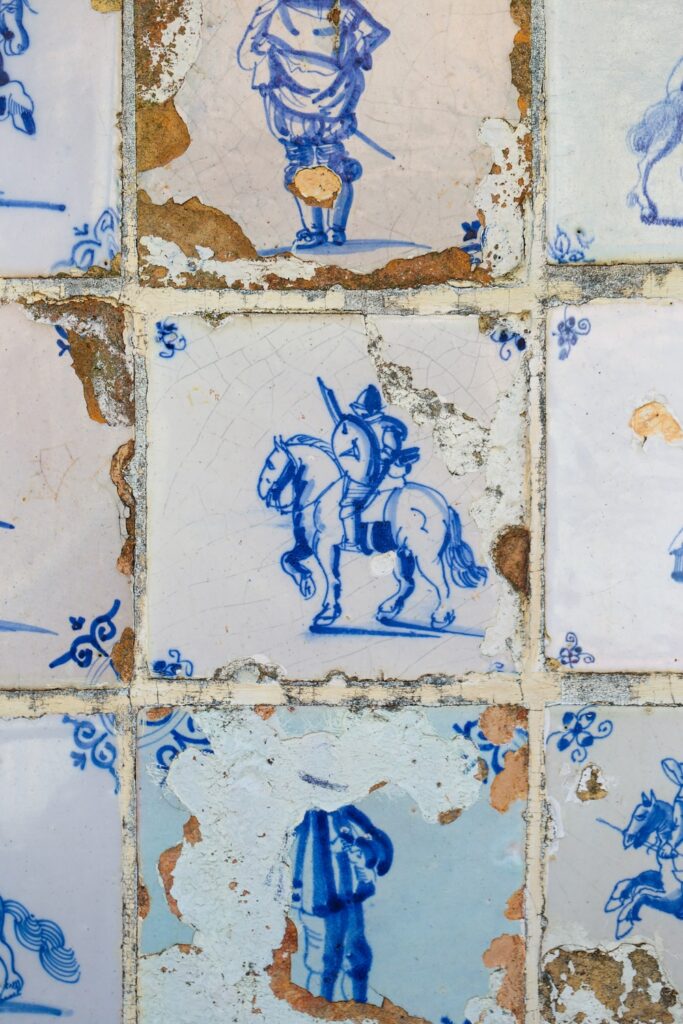
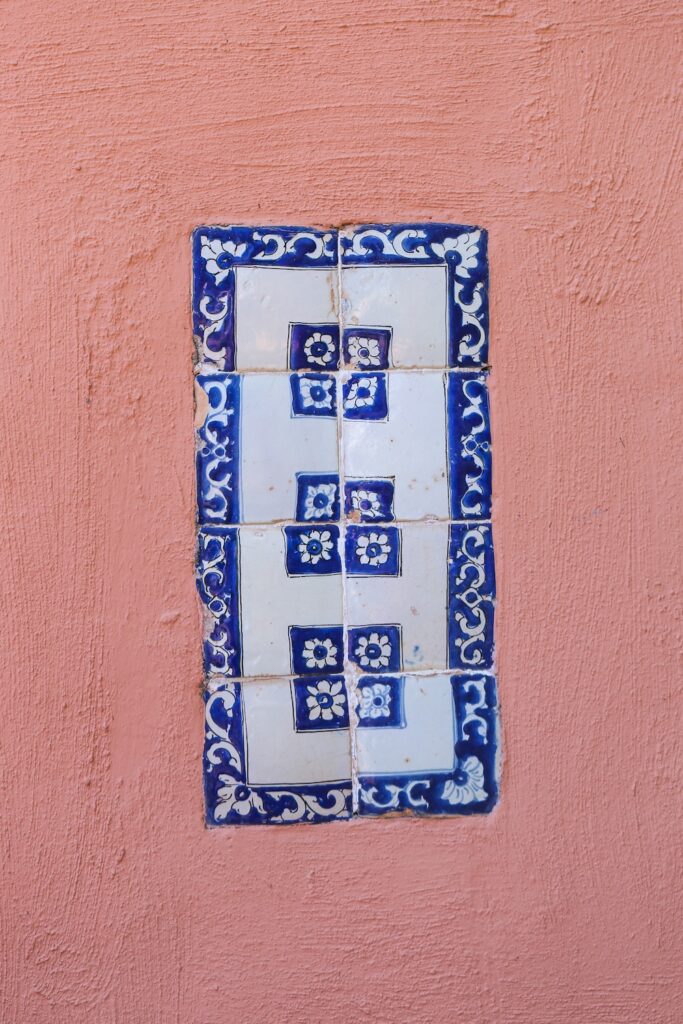
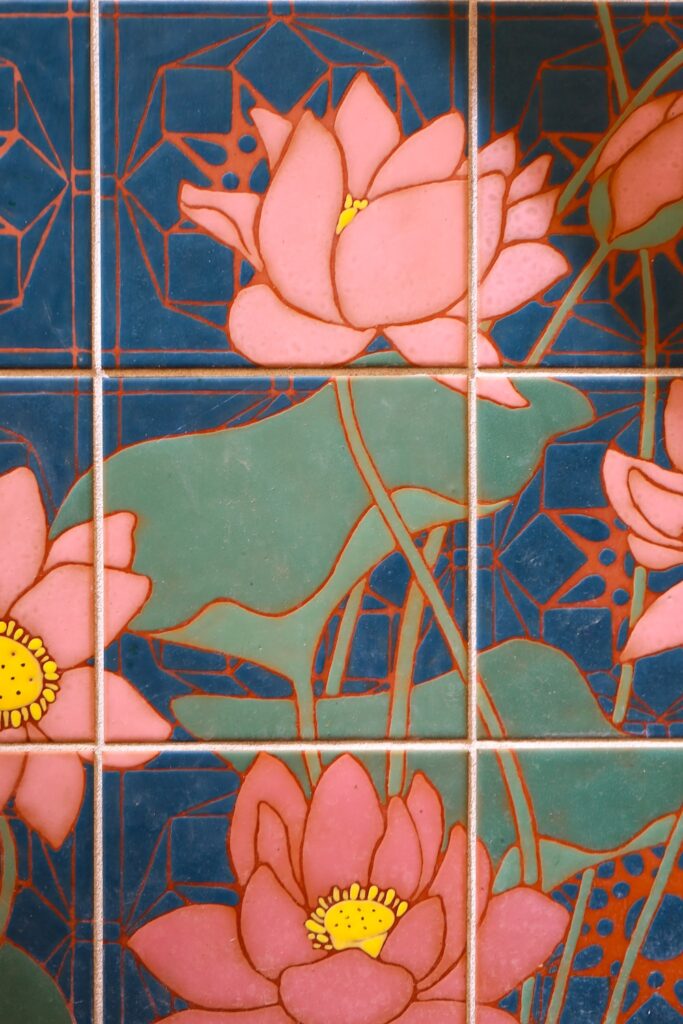
One of the main attractions – well, at least for me! I loved seeing the pink building surrounded by gorgeous cacti and all the amazing tile of the nearby fountain!
Water Garden
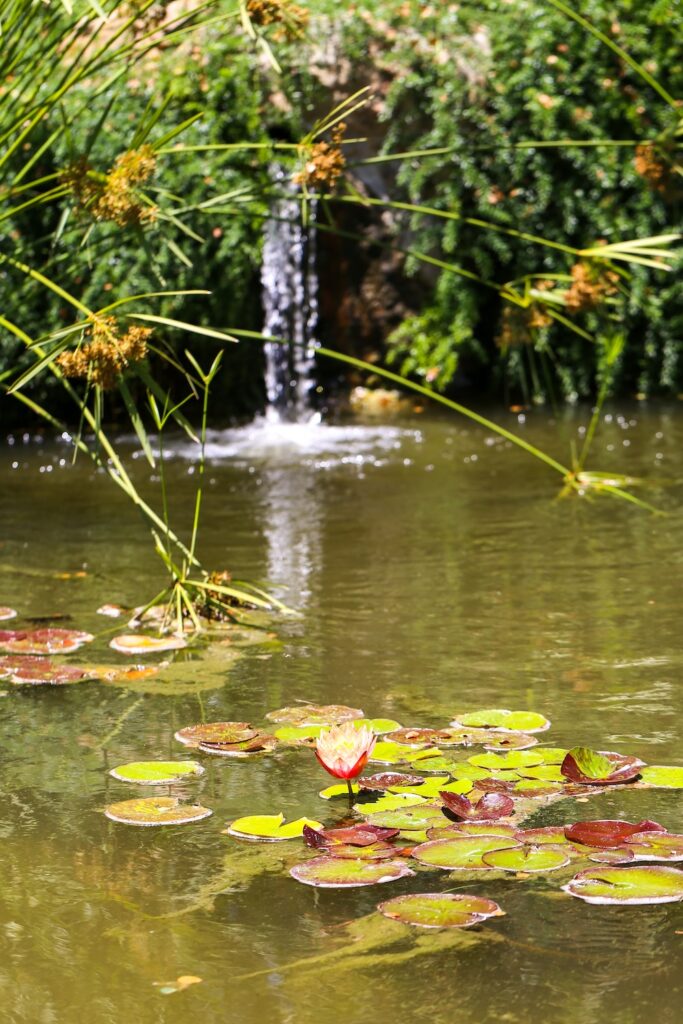
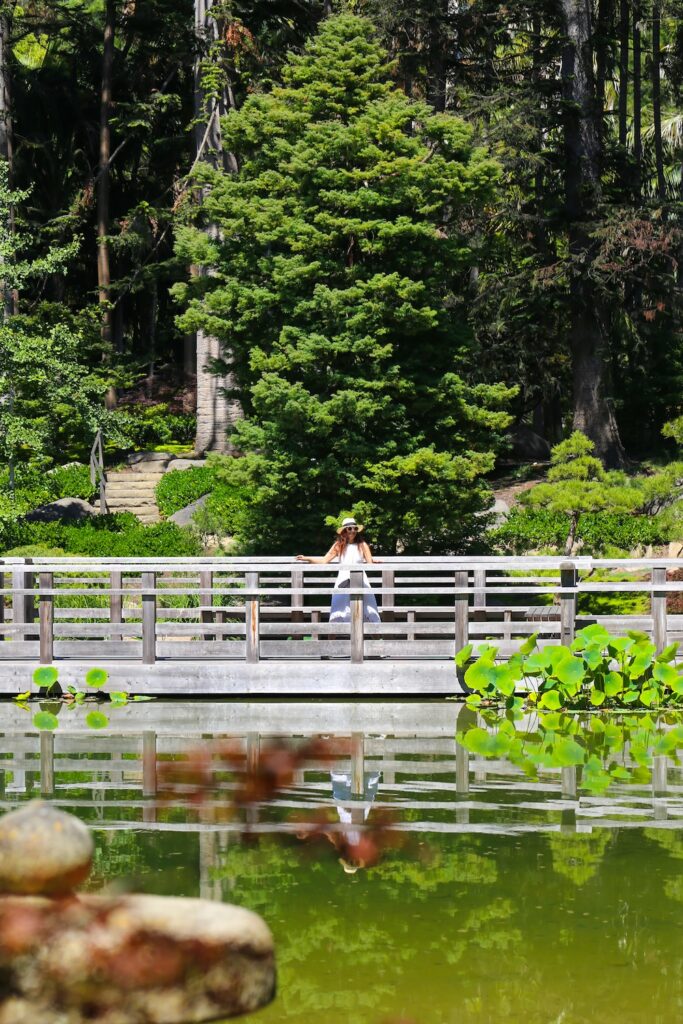
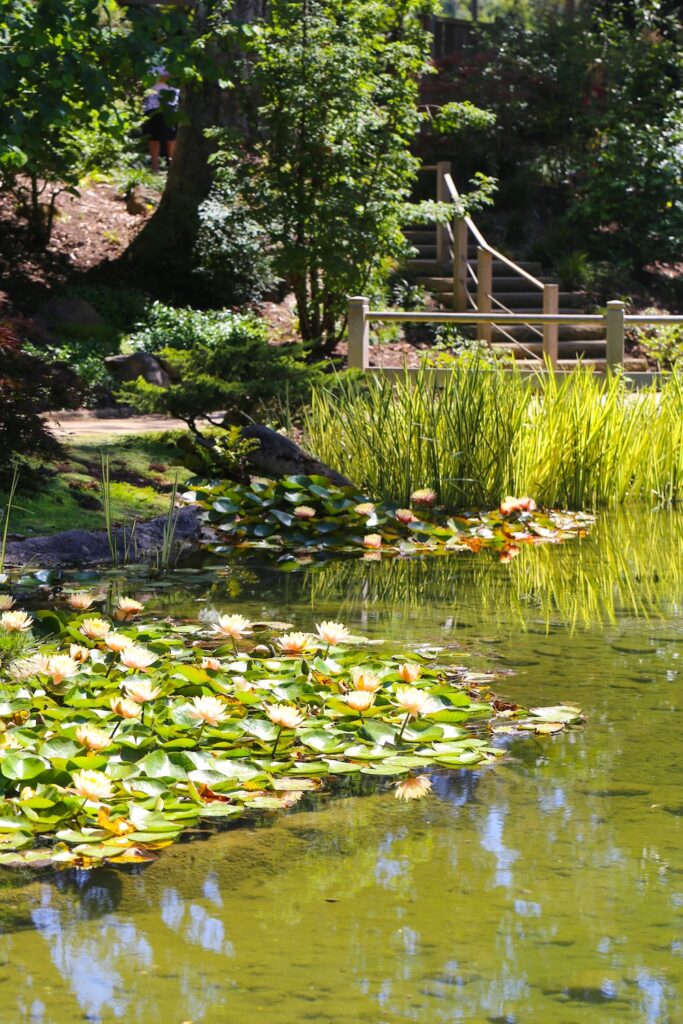
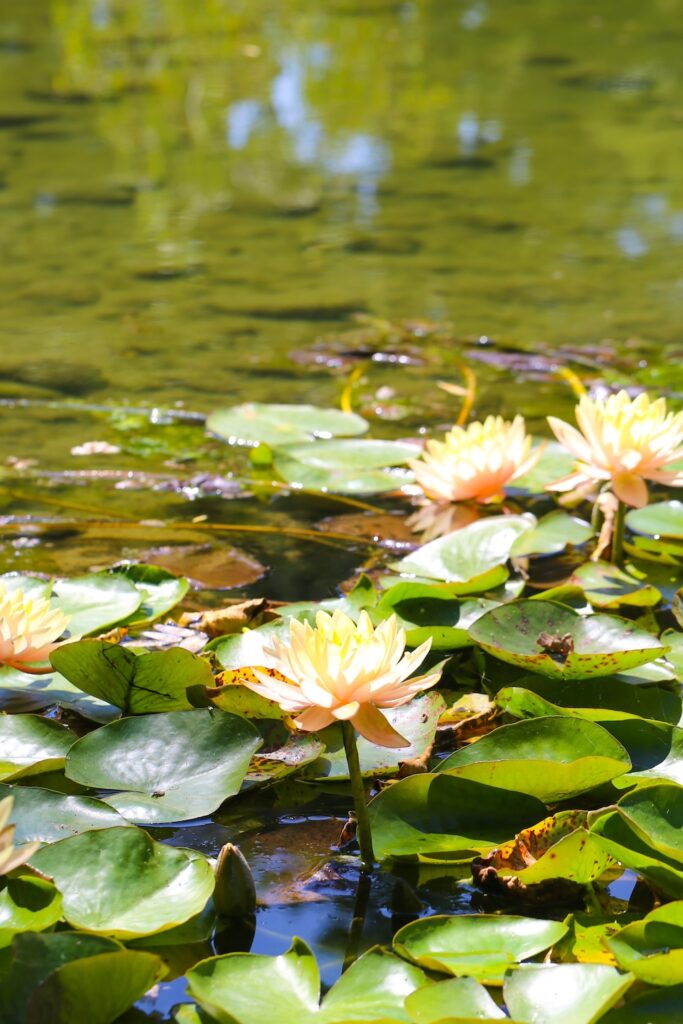
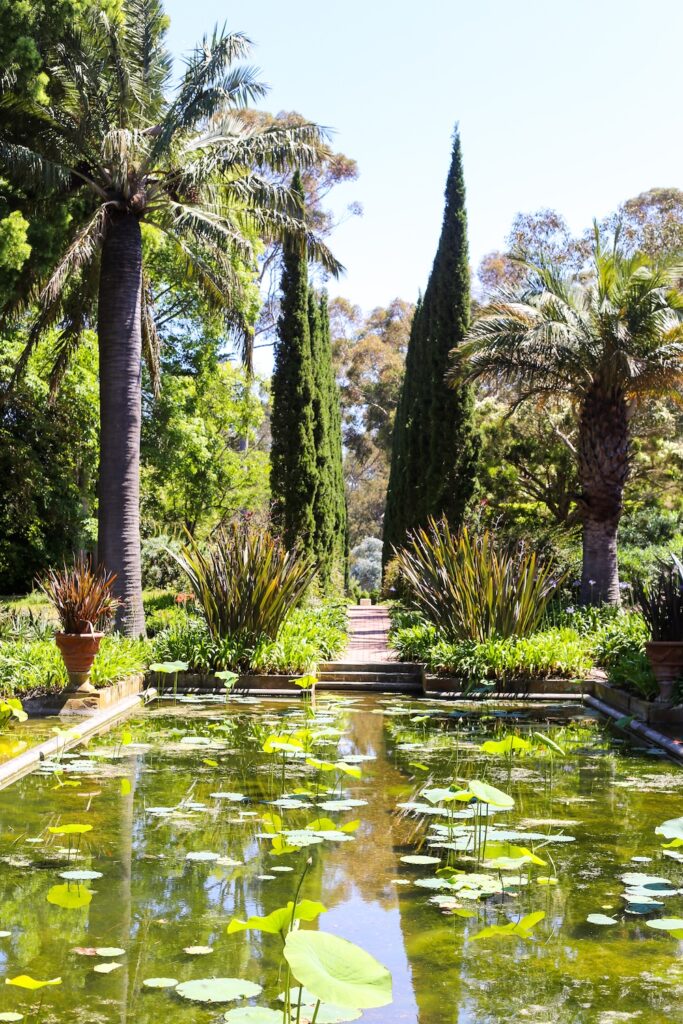
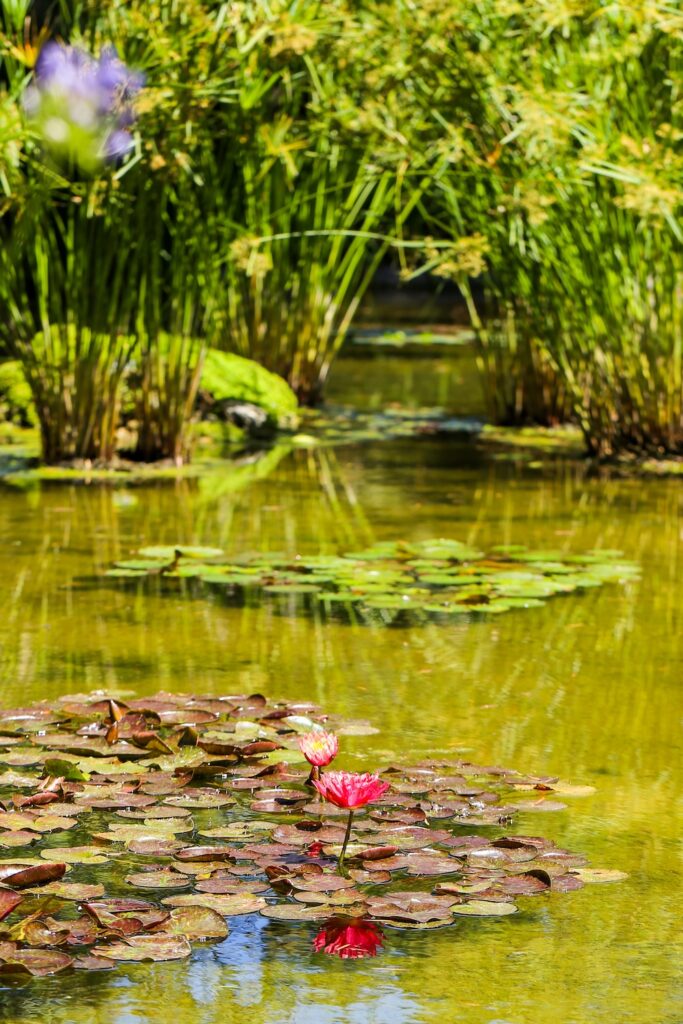
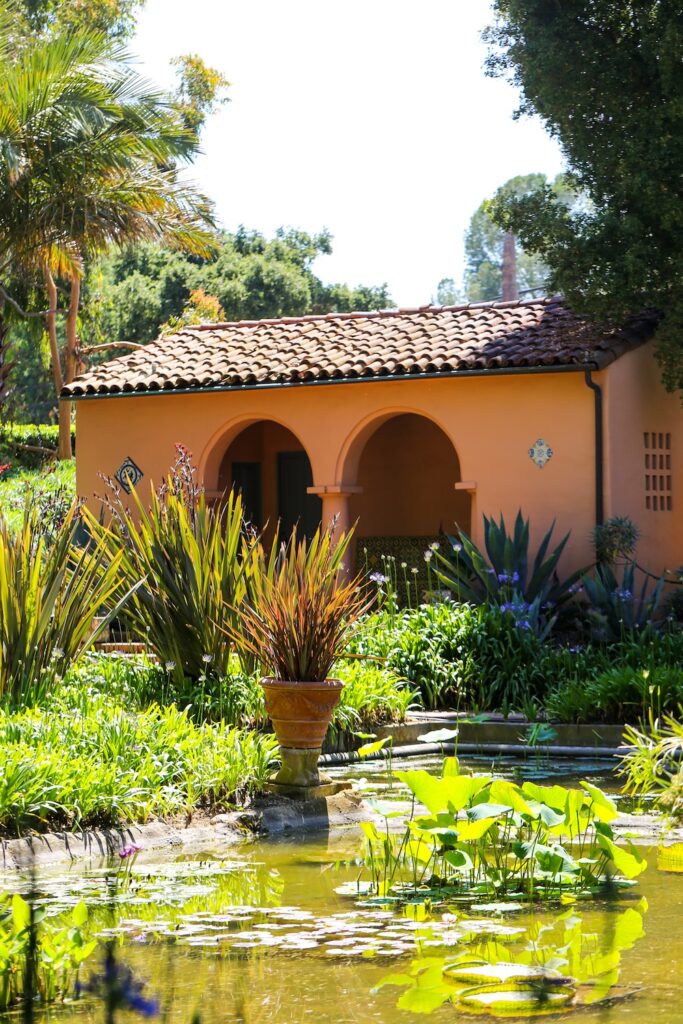
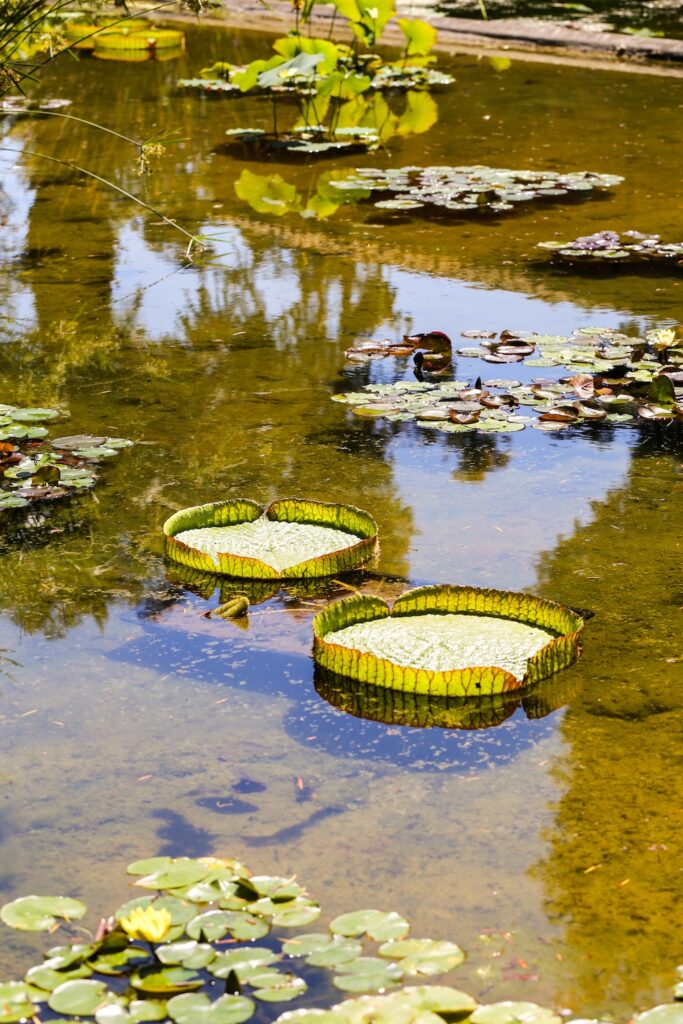
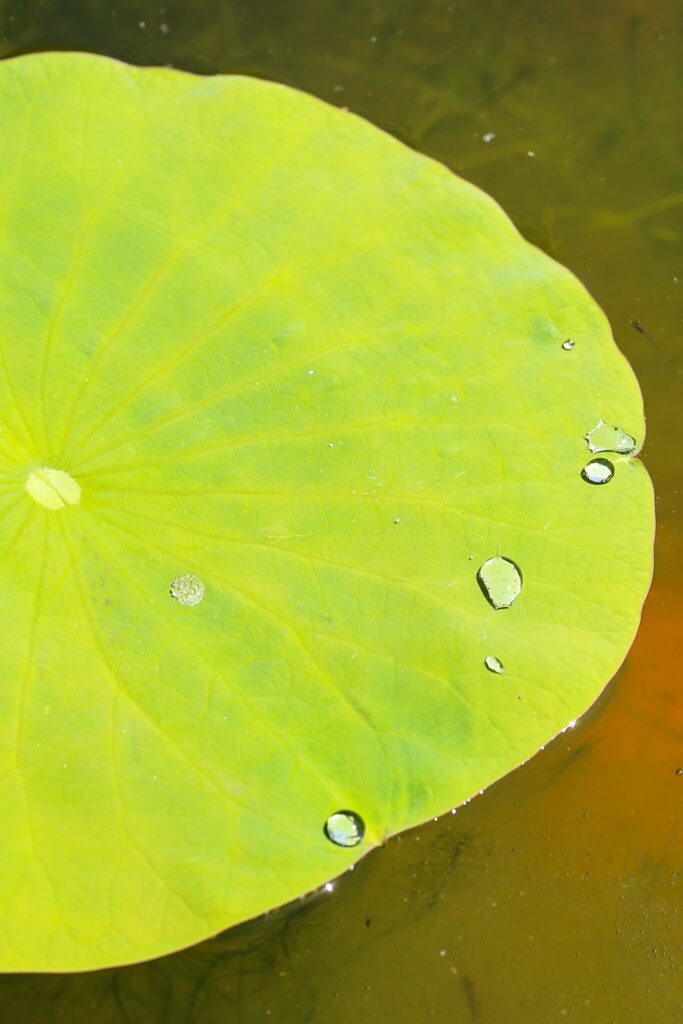
The Water Garden features aquatic plants, koi-filled pools, and serene water features, but was originally designed by the prior owners as a swimming pool and Bath House. But when Madame Walska purchased the property, the swimming pool had a leak, so she converted it into a beautiful pond featuring water lilies and lotuses!
Aloe Garden featuring the Abalone Pool
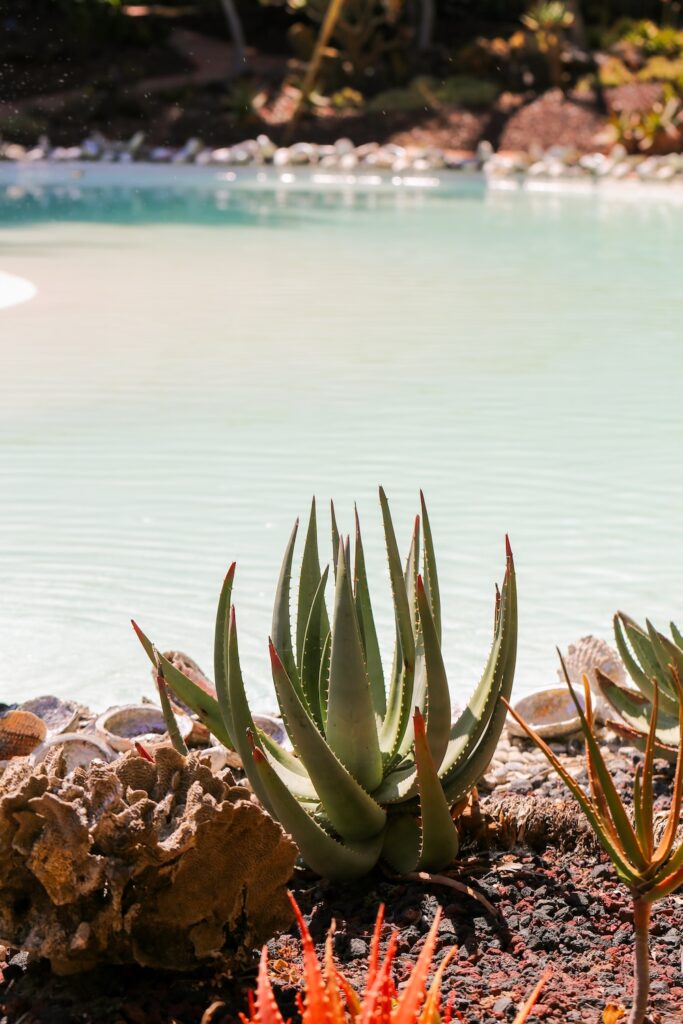
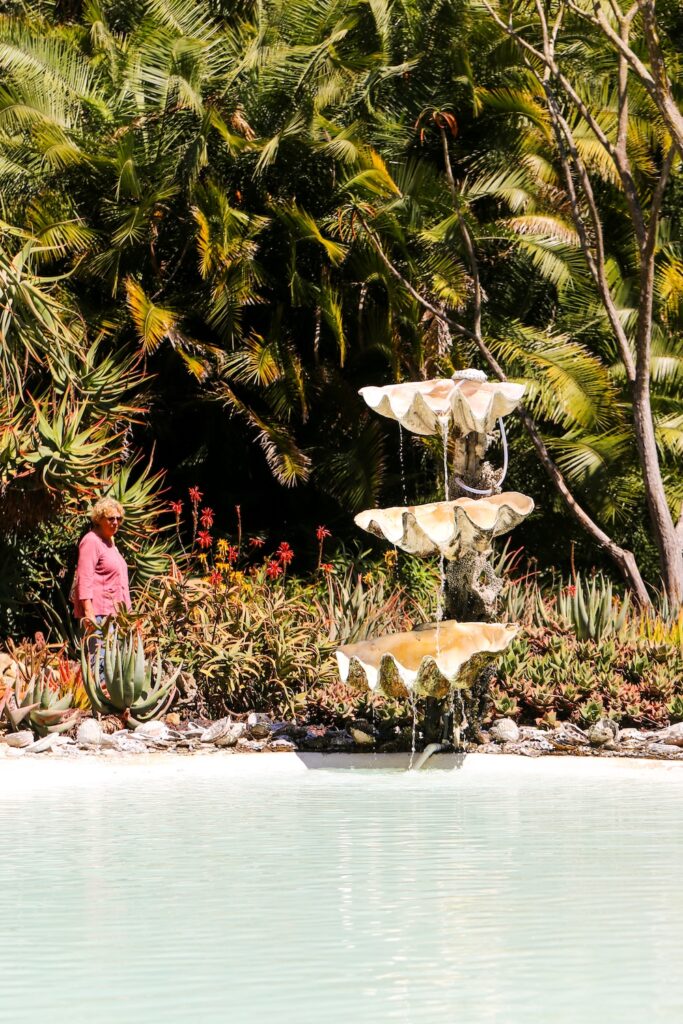
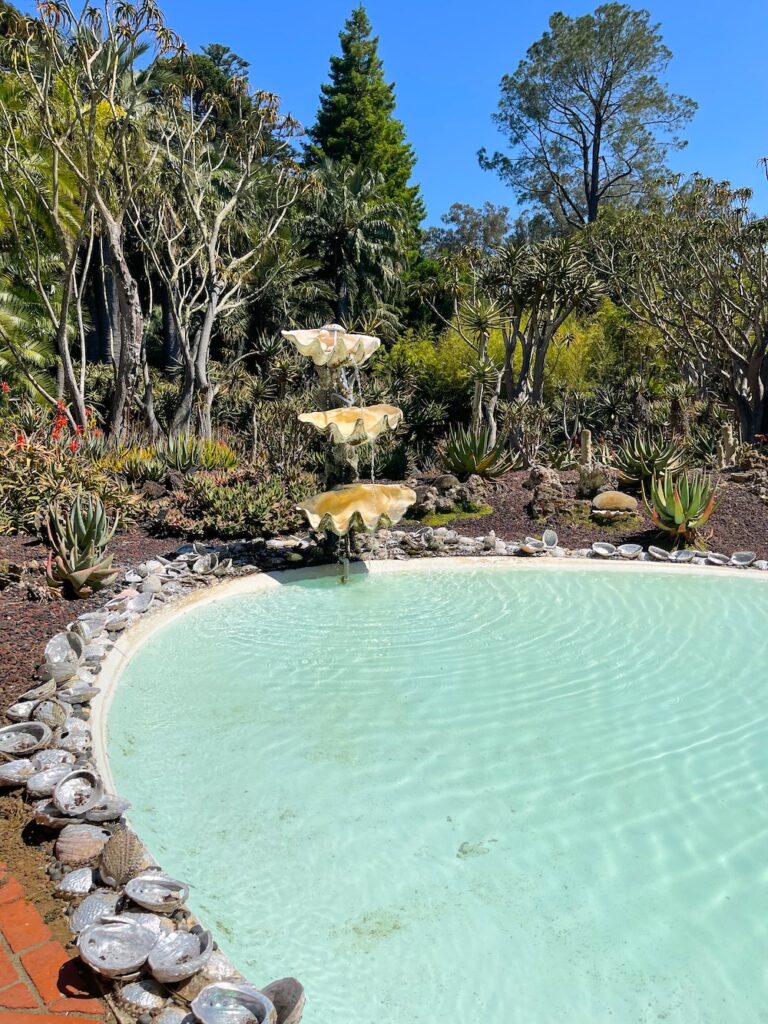
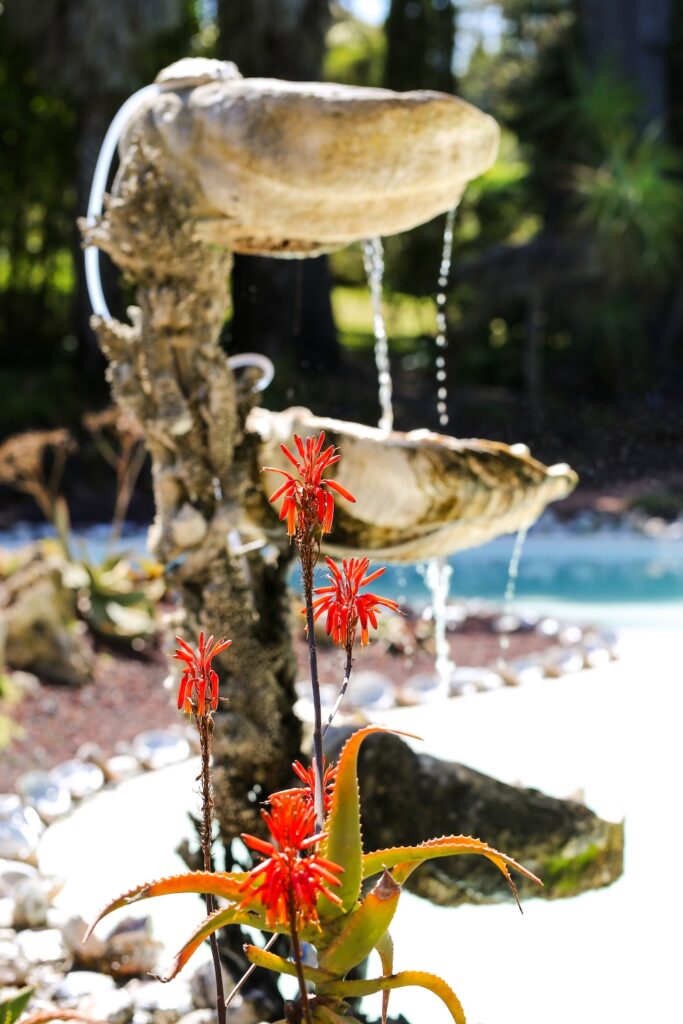
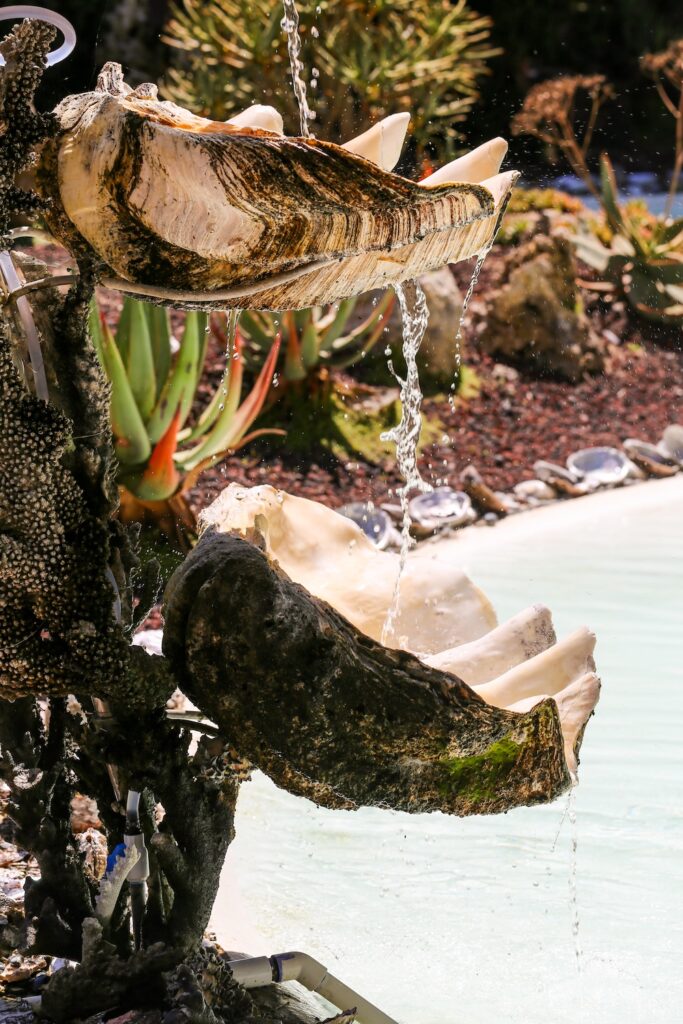
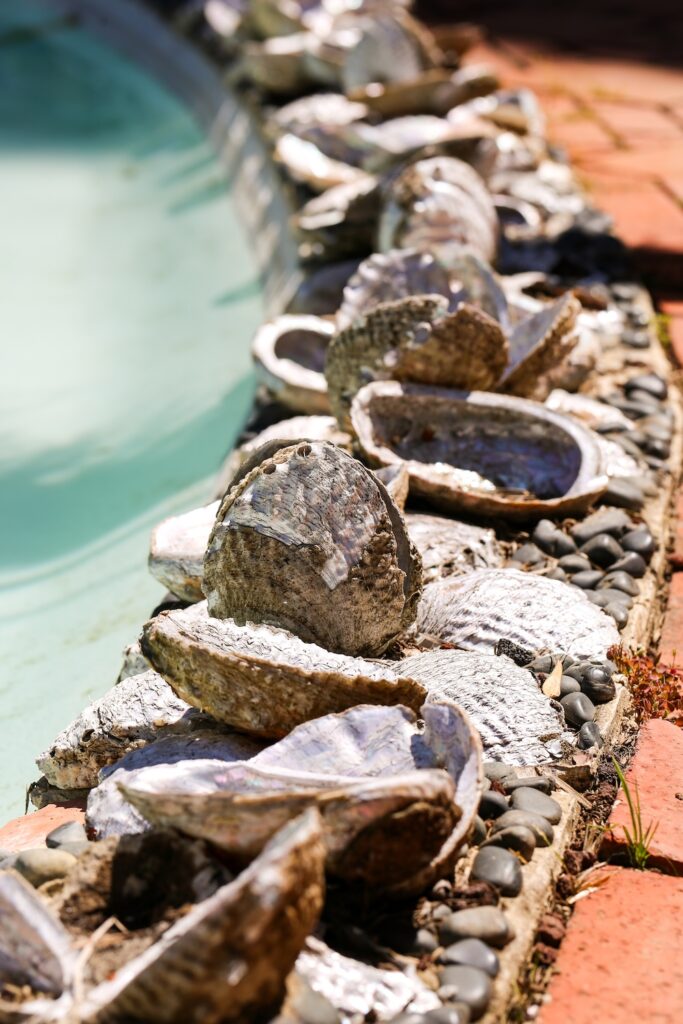
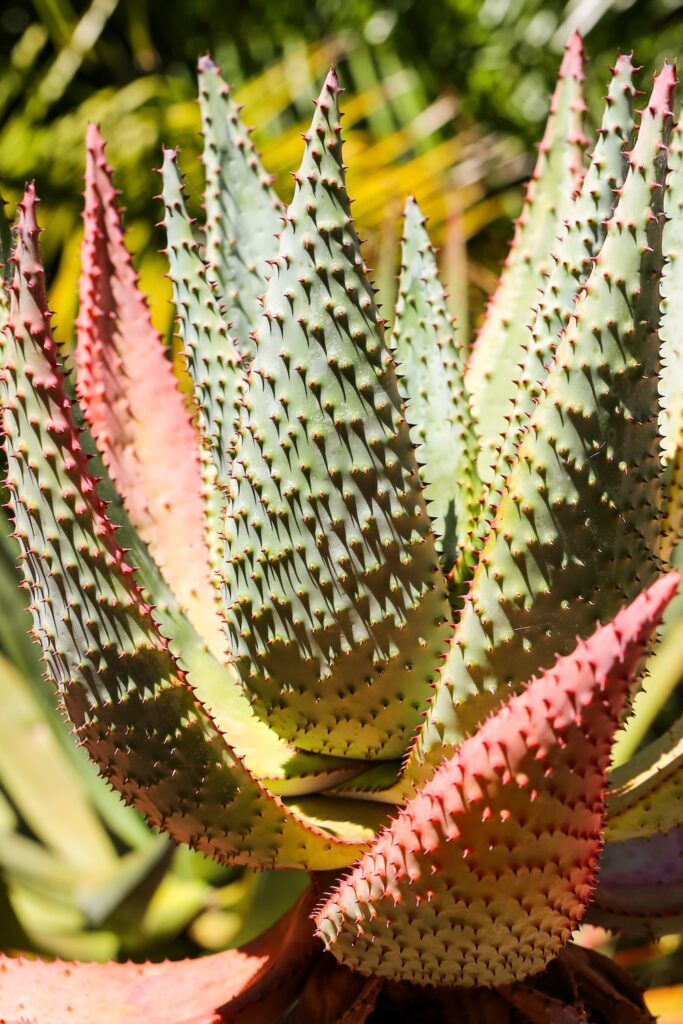
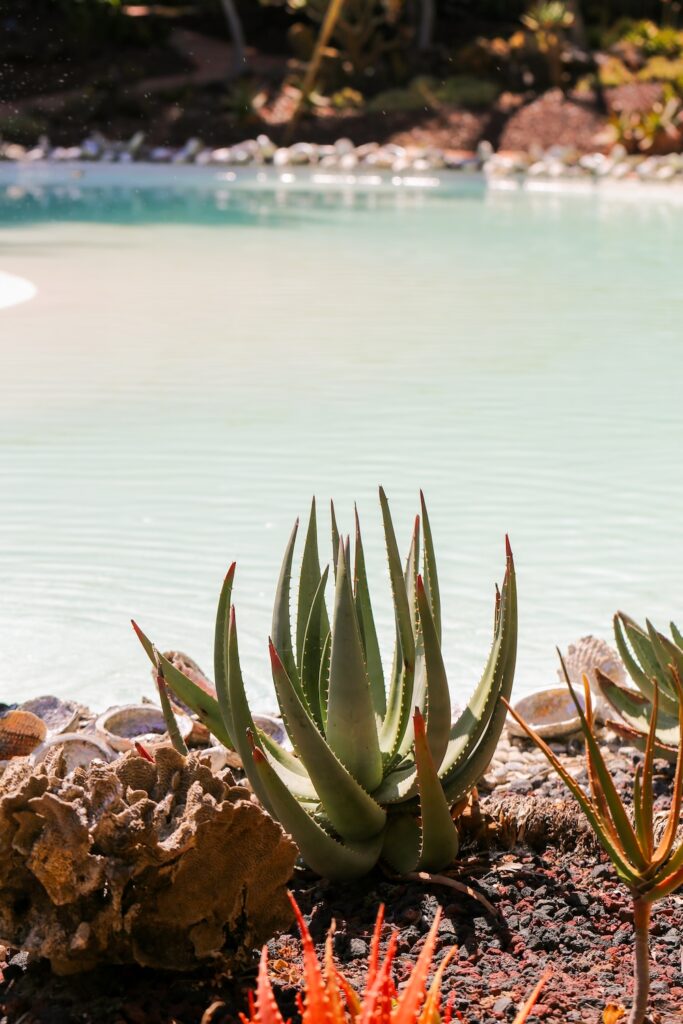
The Aloe Garden contains more than 160 various Aloe species and is also home to the gorgeous Abalone Pool which is MY absolute favorite area of Lotusland!
The Abalone Pool was originally created as a wading pool for children, but then the two beautiful giant clamshell fountains were added and it was transformed into a beautiful pond (now no children wading allowed!)
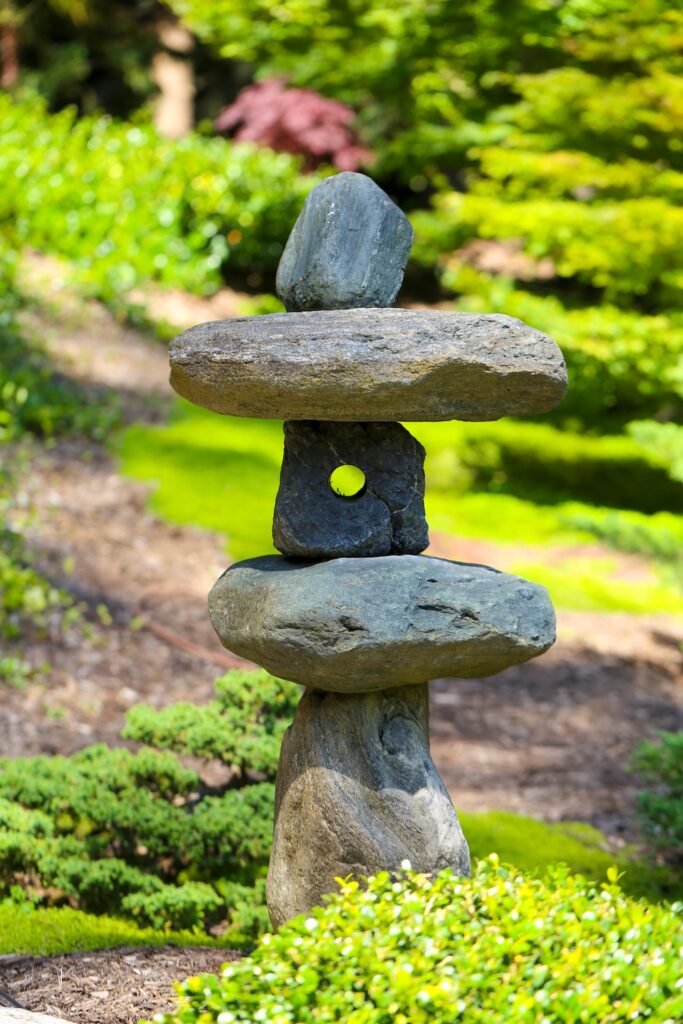
Japanese Garden
A tranquil space with a teahouse, bonsai collection, and Japanese-inspired landscaping.
Visitor Center
And last, but certainly not least, is the Visitor’s Center!
Exit through the gift shop and purchase Madama Ganna Walska’s memoir which has several reviews online. She could create a gorgeous garden, but apparently she can’t write!
Ok, after that extensive tour, you might not need to go! Just kidding – please go visit in person!
Seriously, I visited all of that but still missed the Topiary Garden, the Australian Garden, the Blue Garden, the Palmetum, the Water Stairs, and Cypress Allee! I guess I need to go back!
Planning Your Visit:
- Make advance reservations for your guided tour, especially during peak tourist seasons.
- Check the weather forecast and dress accordingly.
- Arrive a bit early to allow time for parking and check-in.
- Consider combining your visit to Lotusland with other attractions in Santa Barbara for a full day of exploration.
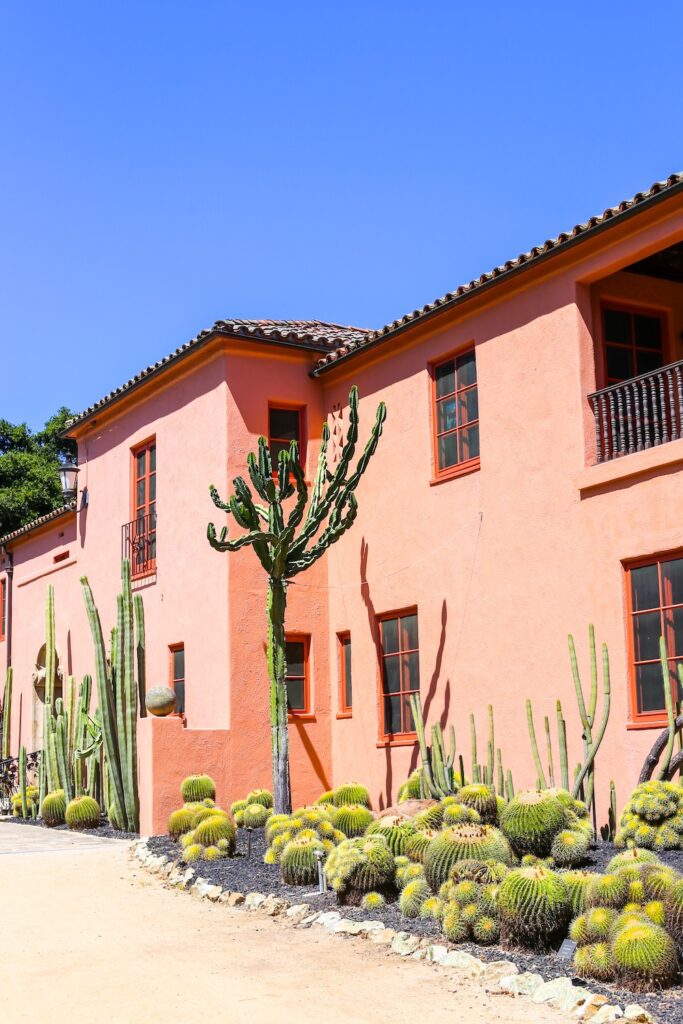
A visit to Lotusland is a journey into a world of natural beauty, artistic expression, and botanical wonder. By following this guide, you’ll be well-prepared to immerse yourself in the enchanting landscapes, rare plants, and captivating history that make Lotusland a truly exceptional destination in Santa Barbara, California. Enjoy your visit and take in the unique charm and serenity that this remarkable garden has to offer.
Nearby Attractions:
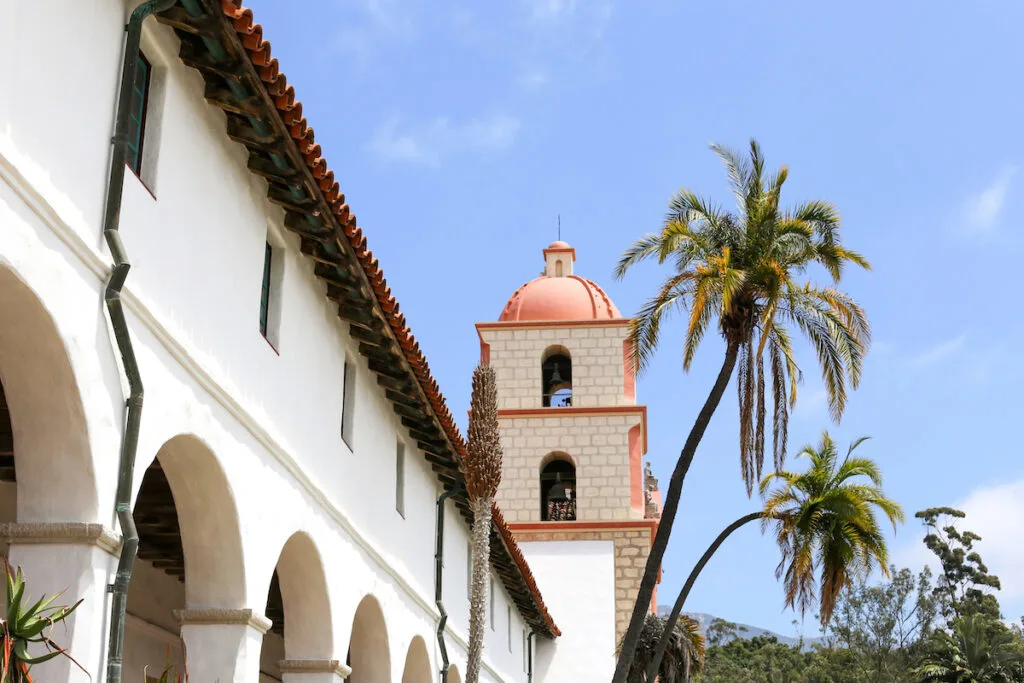
- Santa Barbara Mission: A historic Spanish mission with beautiful architecture and gardens.



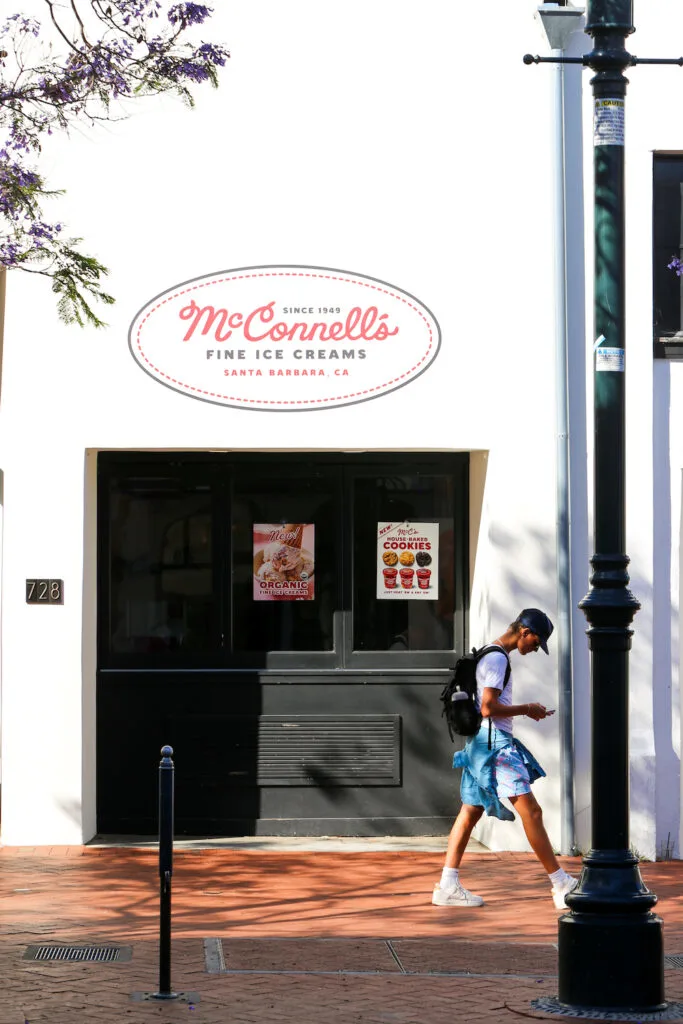
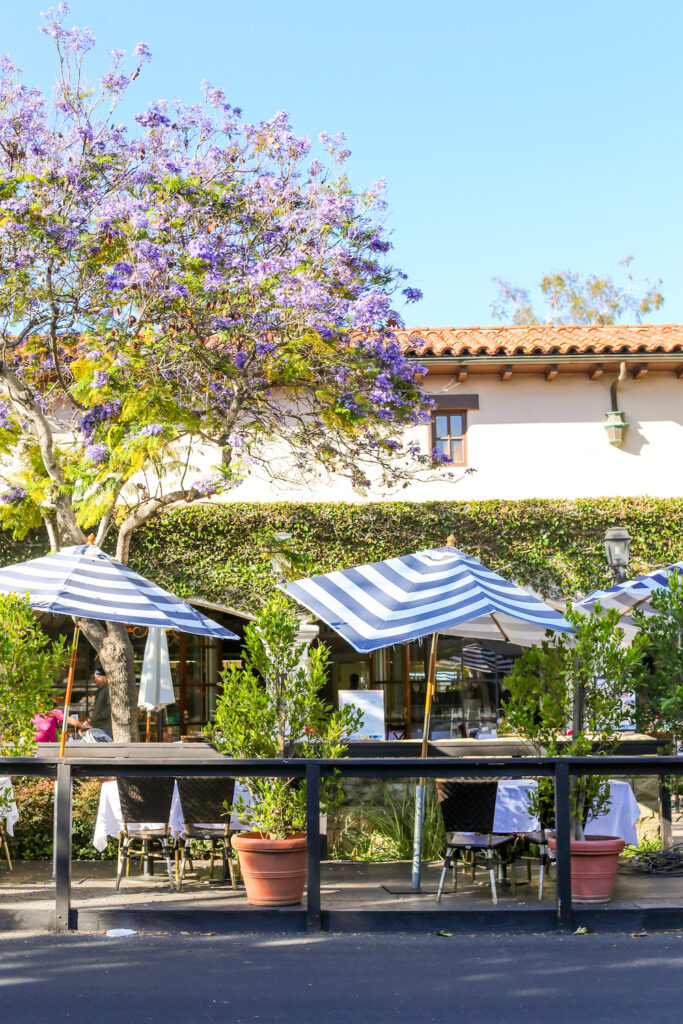
- Santa Barbara’s State Street: ____________



- Stearns Wharf: A scenic pier with shops, restaurants, and panoramic ocean views.
Read More: The 30 Best Things to Do in Santa Barbara, California
Where to Eat Nearby:
Los Agaves Restaurant: Los Agaves serves authentic Mexican cuisine with a focus on fresh ingredients and bold flavors. Tacos, enchiladas, and ceviche are among the favorites.
The Lark: The Lark offers a farm-to-table dining experience with a focus on locally sourced ingredients. The menu features creative and seasonal dishes in a trendy setting.

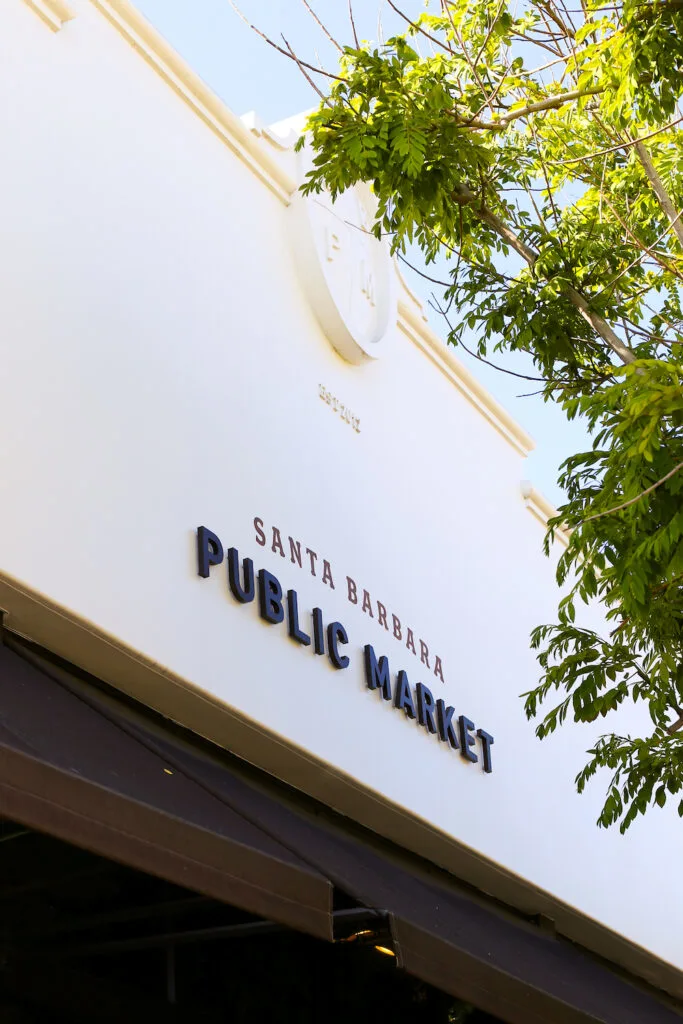
Santa Barbara Public Market: The Santa Barbara Public Market features a variety of artisanal food vendors, including fresh seafood, gourmet cheeses, tacos, and more. It’s a great place to explore different cuisines in one location.

Read More: California Foods Every Visitor Must Try
Read More: Must Try Foods Along California’s Hwy 1
Nearby Towns and Attractions:
Ostrichland: Have you ever fed an ostrich? Well, it is quite an experience! Possibly a terrifying experience! But an experience that you can have at the quirky roadside attraction of Ostrichland just outside of Solvang, California.
Read More: Feed an Ostrich at Ostrichland in Buellton, California


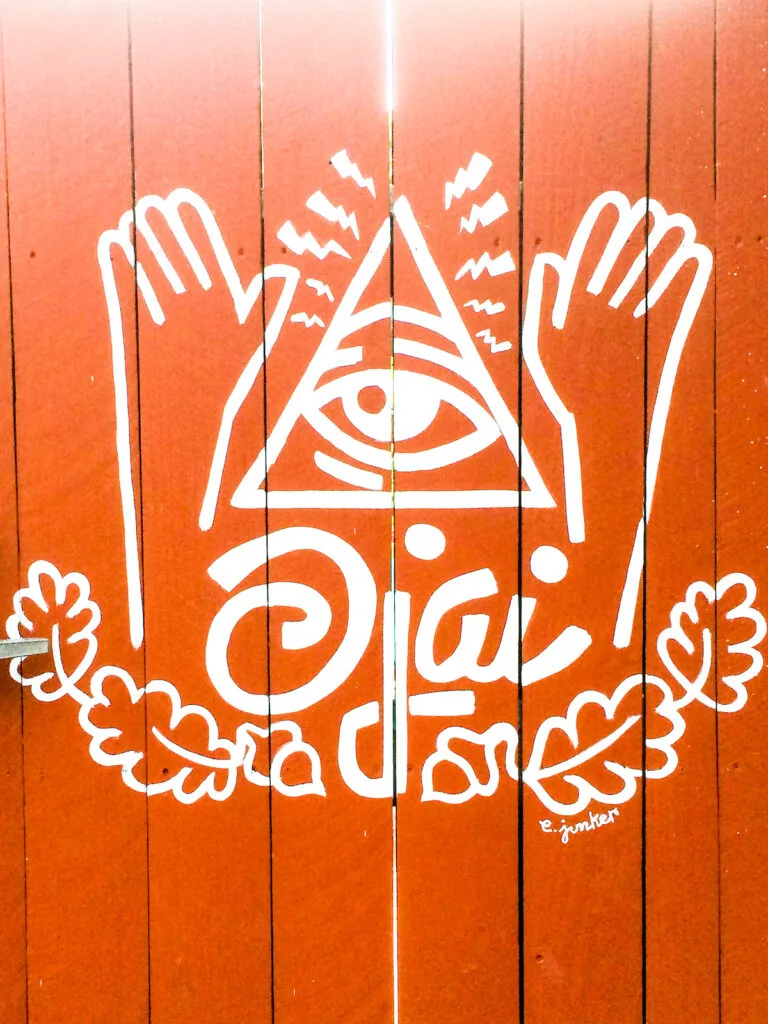
Ojai: The stunning town of Ojai, California, located just north of Los Angeles, offers a sweet escape. Set with the Topatopa Mountains serving as the backdrop, it is the perfect place to get away with plenty of great places to eat, outdoor activities, and culture to take in for travelers of all ages.
Read More: 22 Amazing Things to Do in Ojai, California





Shop My Travel Essentials!
Copyright Notice
All images and content are copyright-protected. Please do not use any images without prior permission. If you would like to share this story, please only use one image, use proper credit, and link directly back to this post and linking with my post title. Thank you!
Land Acknowledgement
Salty Canary wants to acknowledge that we live, operate, gather, and benefit every day on the traditional stolen lands of several Indigenous peoples and nations including the Tongva (Gabrieleno), Kizh (Gabrieleno), Chumash, Popeloutchom (Amah Mutsun), Ohlone, Awaswas, and Fernandeño Tataviam peoples who have stewarded the lands and waterways throughout their many generations in what is now the state of California. I wanted to personally acknowledge these Indigenous people and nations and both their commitment and current contributions to the land with a donation to the American Indian College Fund because acknowledgment without action does not begin to address the systemic issues facing Indigenous people. If you feel as though you benefit from the land you’re living on or traveling to and you have the means, I kindly ask that you donate to a Native-led organization such as the Native American Rights Fund or the American Indian College Fund.
Lotusland is located on Chumash and Barbareño Chumash land. You can learn more about the Indigenous land you’re living on or traveling to by visiting the Native Lands website.