
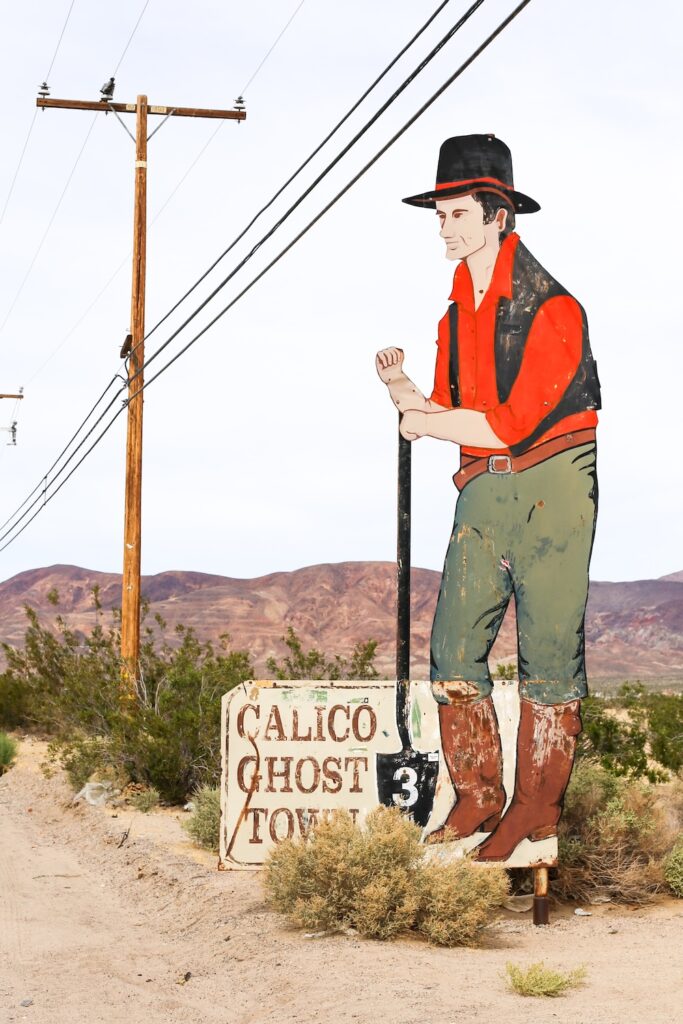
If you’ve ever driven between Los Angeles and Las Vegas and spotted signs for an old western ghost town off the freeway, chances are you were passing Calico Ghost Town. Sitting just off Interstate 15 near historic U.S. Route 66, Calico is one of California’s most famous roadside attractions and an easy stop along a desert road trip.
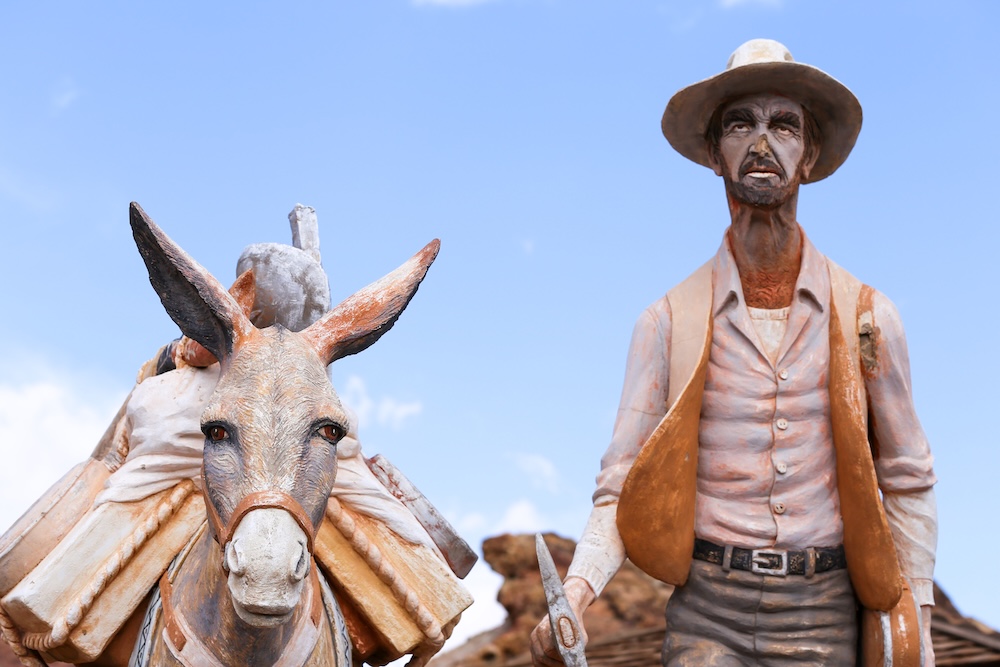
Part theme park, part preserved mining town, and part quirky roadside Americana, Calico makes for a fun few hours whether you’re traveling with kids, taking a Route 66 adventure, or simply looking to stretch your legs on the drive to Vegas.
The History of Calico Ghost Town
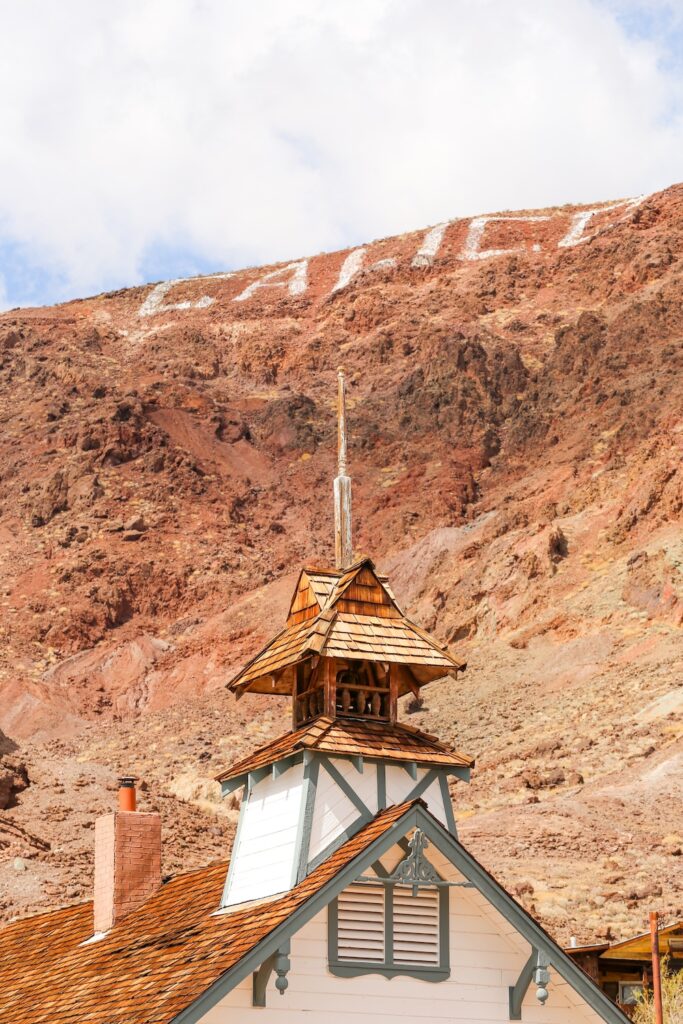
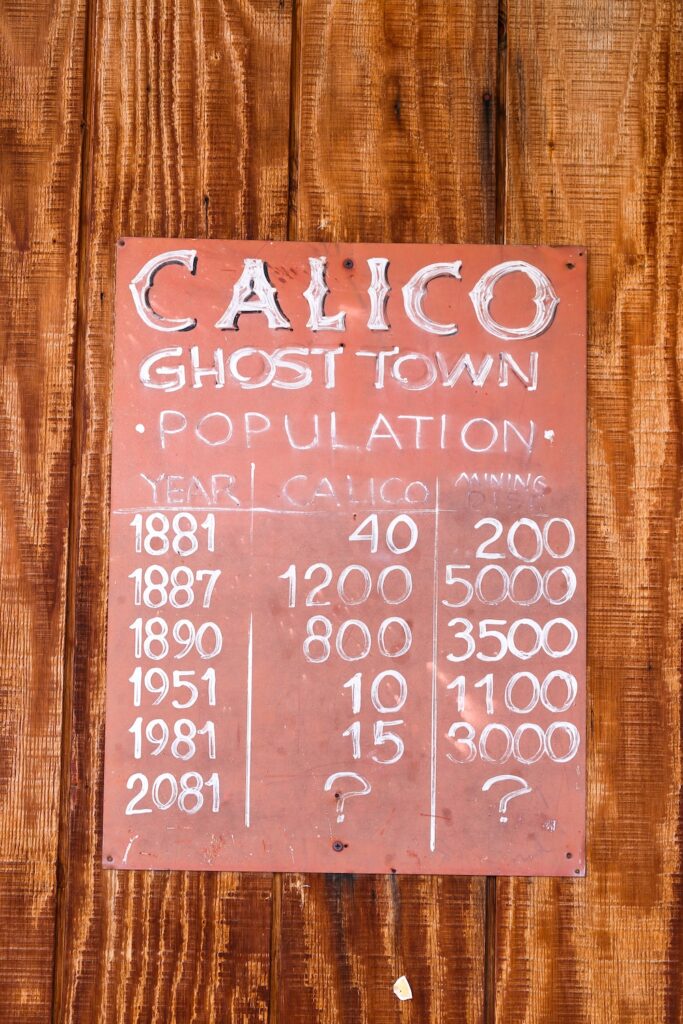
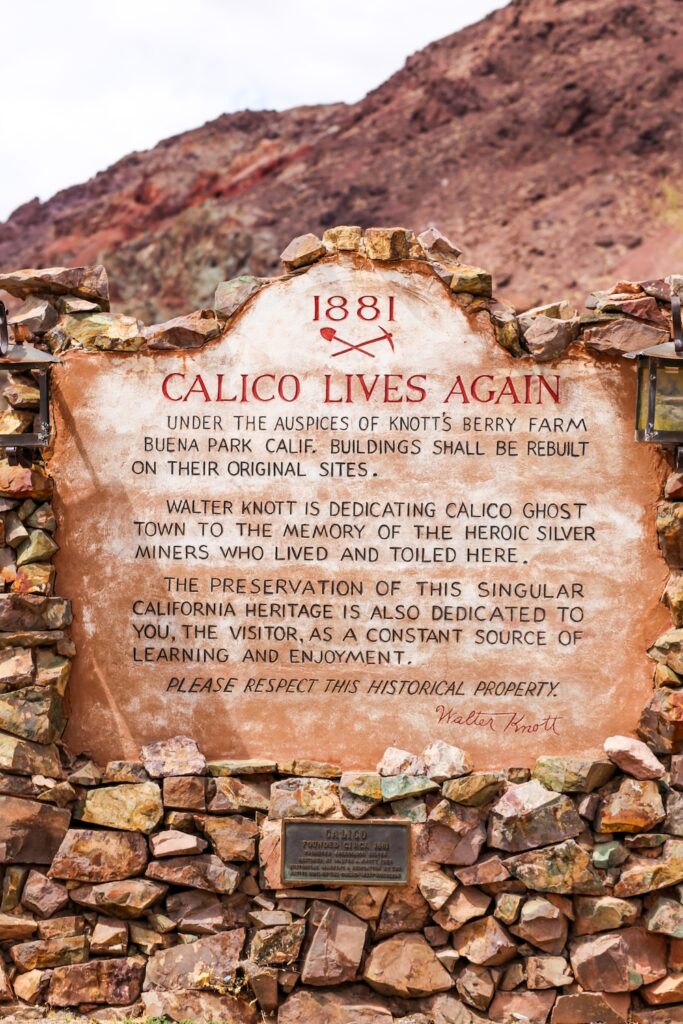
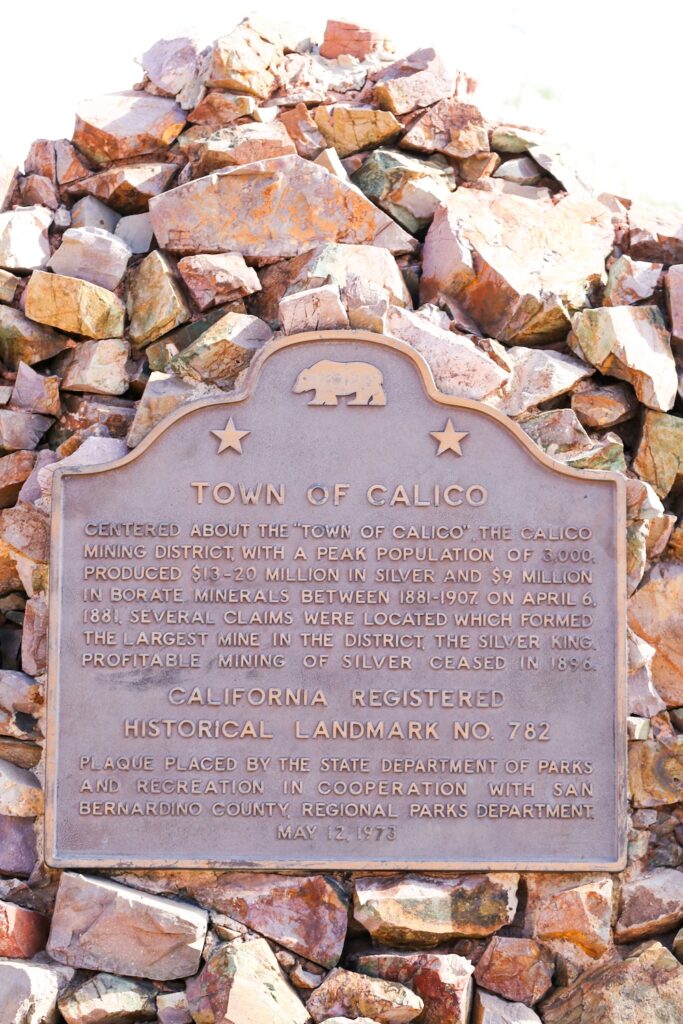
Calico began as a silver mining town in 1881 during California’s silver boom. At its peak, the town had hundreds of mines, over 1,200 residents, saloons, shops, restaurants, schools, and even its own Chinatown. The mountains surrounding the town were rich in silver ore, and miners flocked to the desert hoping to strike it rich.
Unfortunately, the boom did not last forever. When silver prices dropped in the 1890s, Calico slowly emptied out and eventually became a true ghost town.
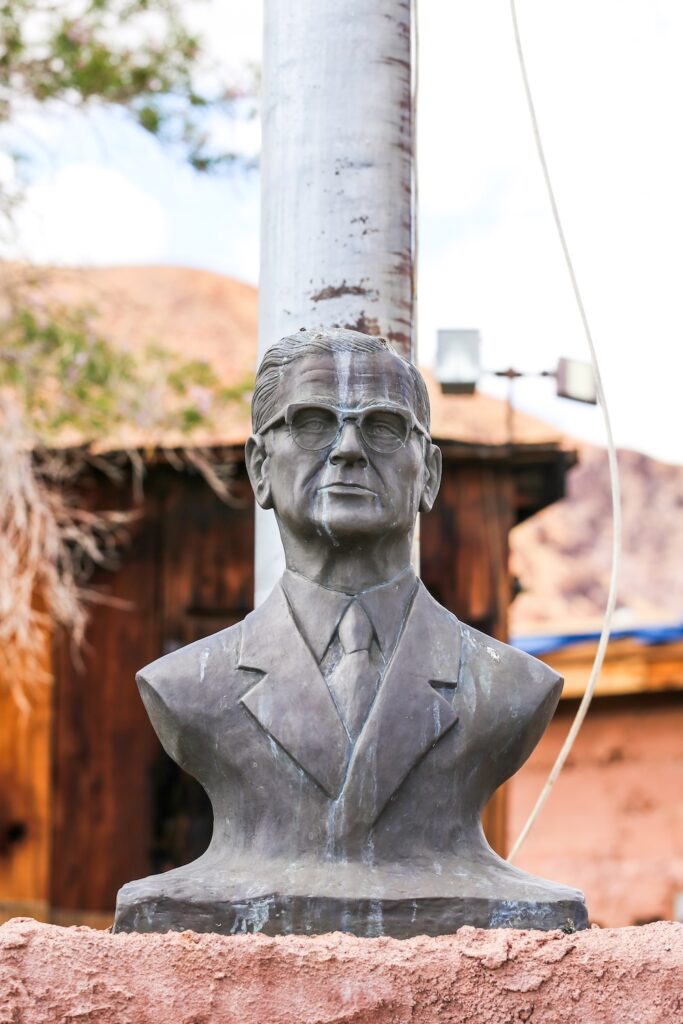
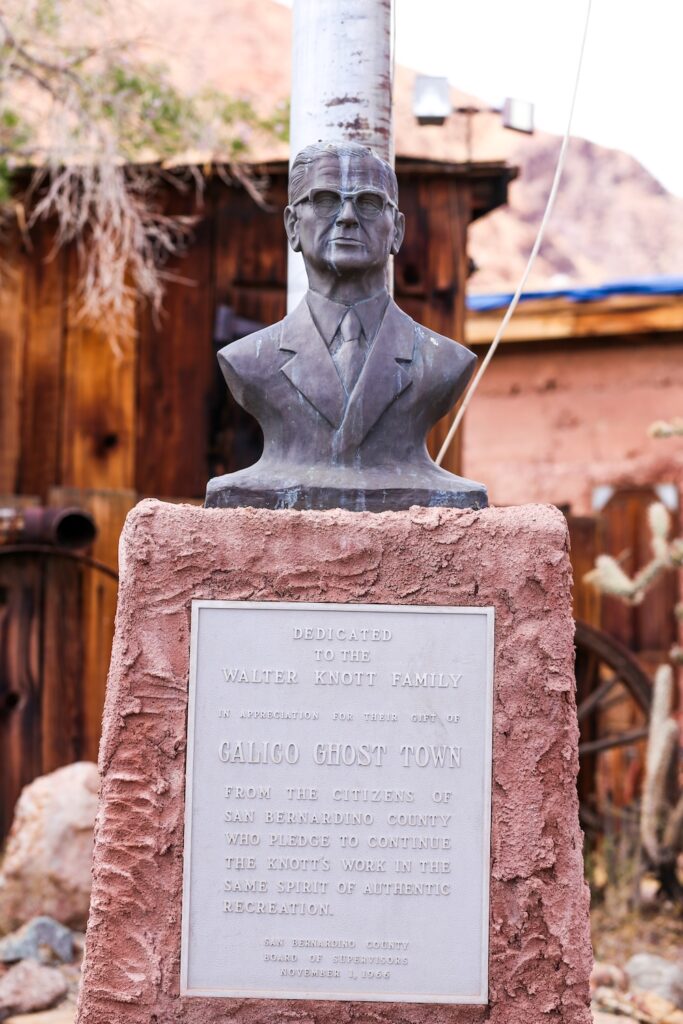
In the 1950s, Walter Knott, the founder of Knott’s Berry Farm, purchased Calico and helped restore many of the original buildings. He wanted to preserve a piece of California history, and much of what visitors see today comes from that restoration effort. In 1966, Walter Knott donated Calico to San Bernardino County, and it has remained a popular attraction ever since.
Where Is Calico Ghost Town?
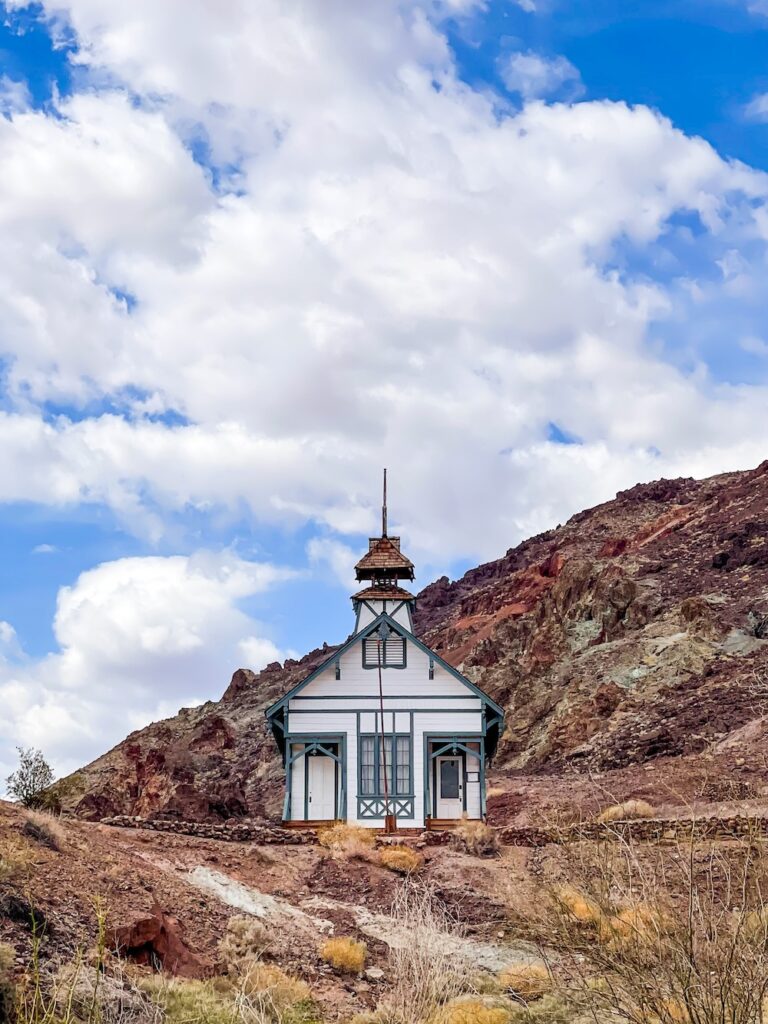
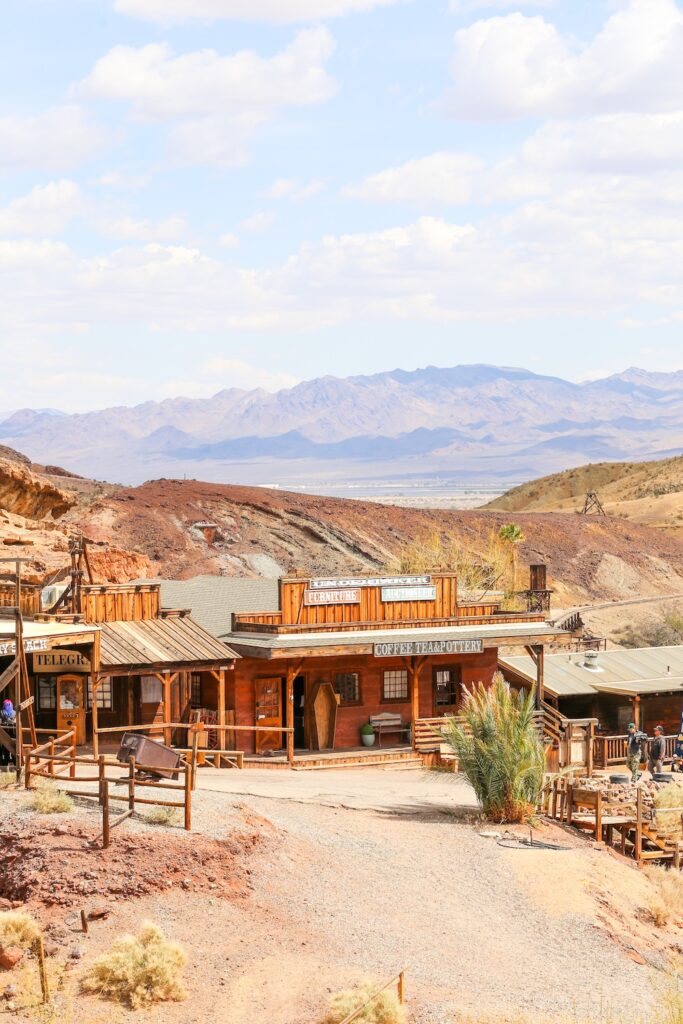
Calico Ghost Town is located in the Mojave Desert near the tiny town of Yermo. It sits right off Interstate 15, making it an incredibly convenient stop between Los Angeles and Las Vegas.
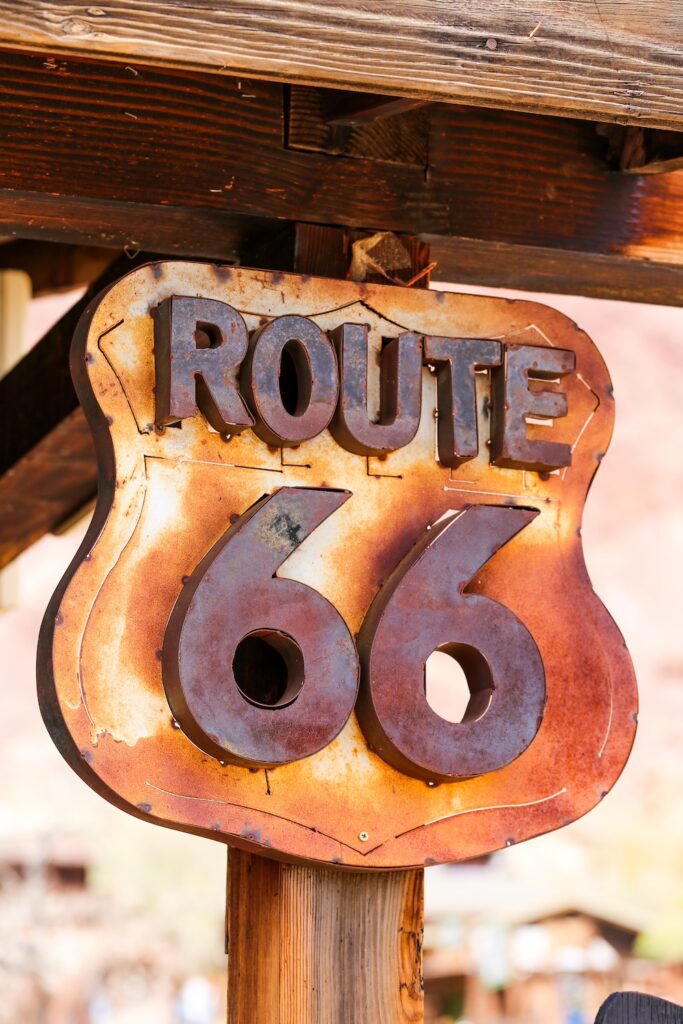
It is also very close to historic Route 66, so it fits perfectly into a classic California road trip itinerary.
Driving times:
- About 2 hours from Los Angeles
- About 2.5 hours from Orange County
- About 2 hours from Las Vegas
Planning Your Visit
There is an admission fee to enter the town, plus additional costs for some attractions inside. Parking is included with admission.
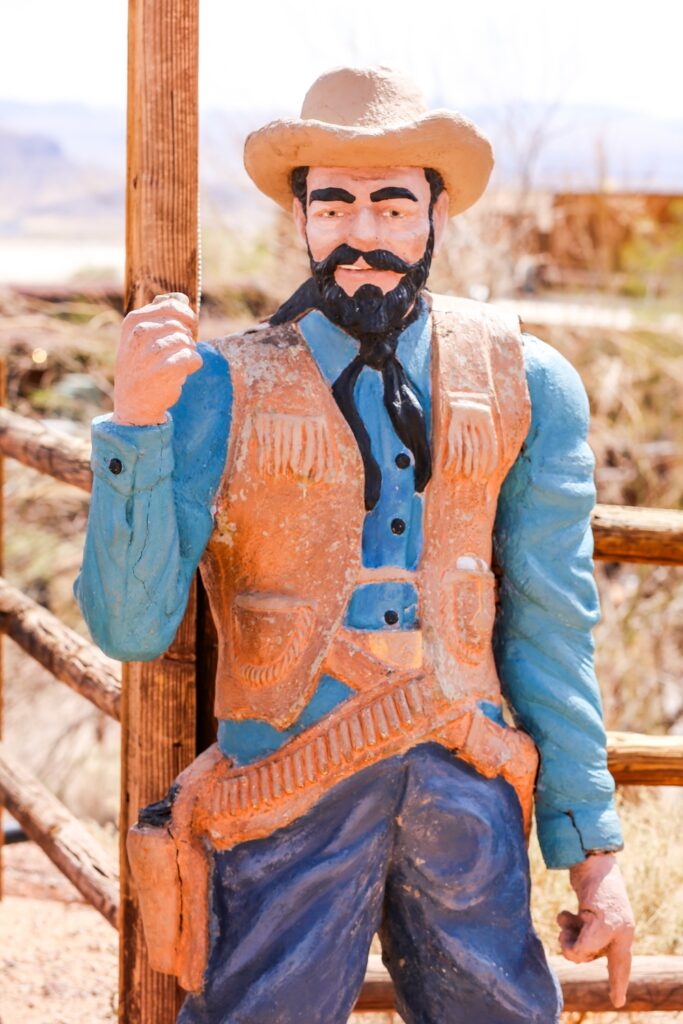
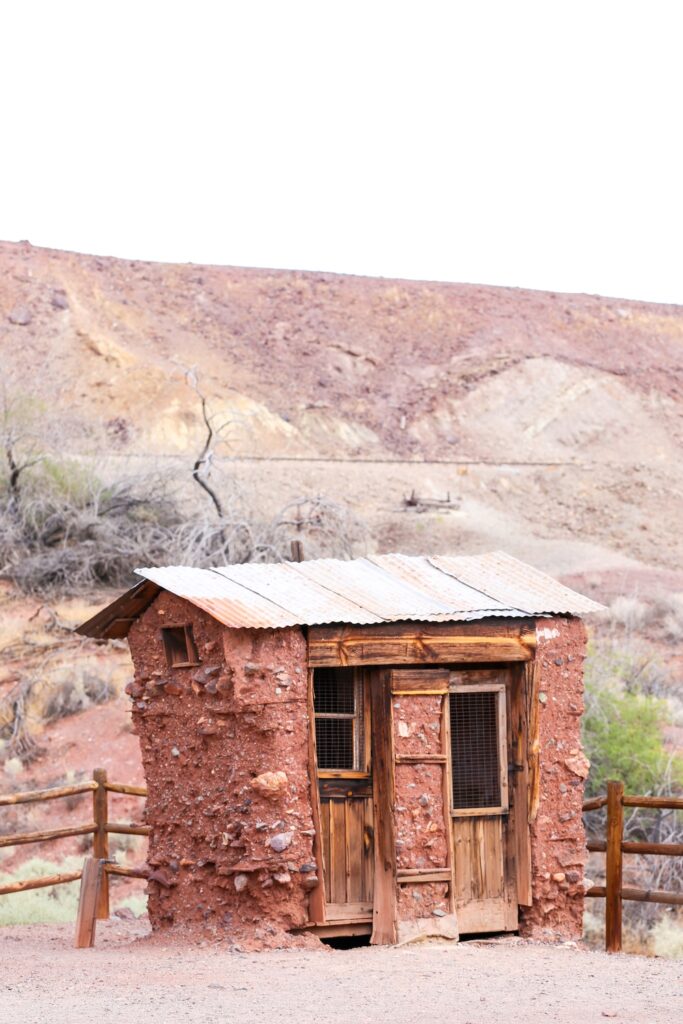
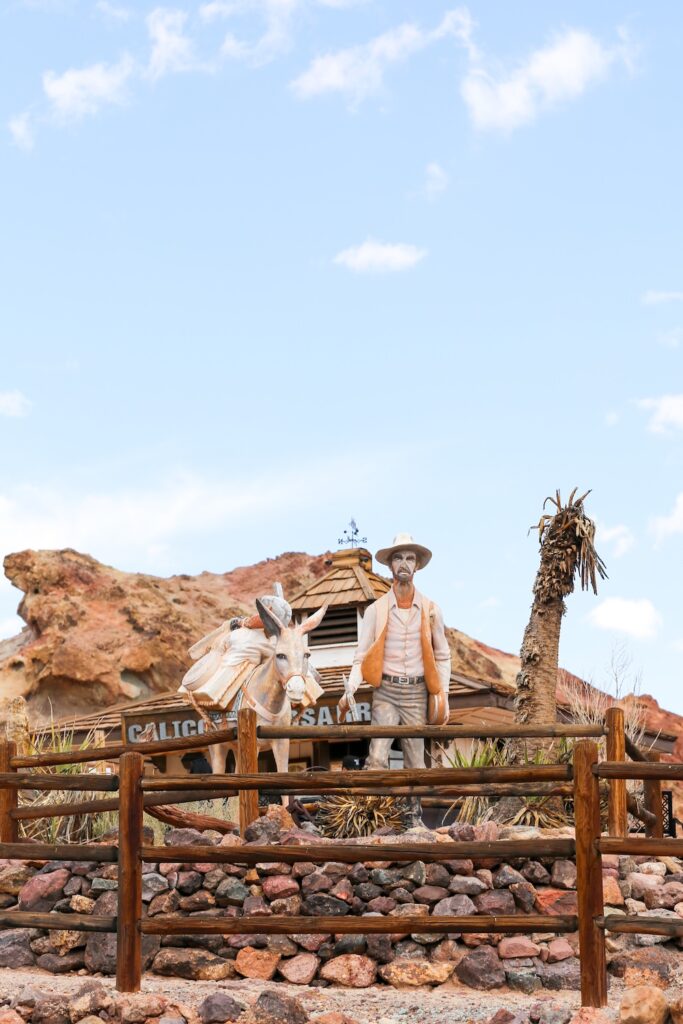
You can comfortably see most of Calico in about two hours. That was enough time for us to walk through the town, explore the attractions, take old-timey photos, browse the shops, and grab a cold sarsaparilla. We skipped the Mystery Shack attraction because we both went to University of California, Santa Cruz and, well… if you know, you know.
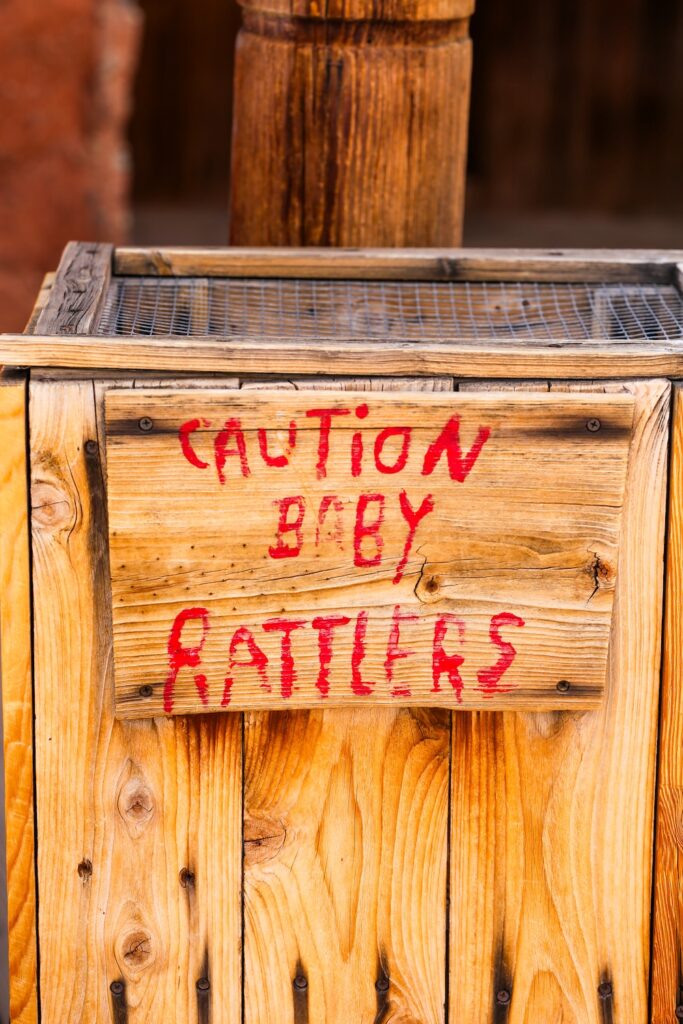
If you want to eat a full meal, pan for gold, ride the train, and really take your time with photos, you could easily spend half a day here.
A few tips:
- Summers are extremely hot, so visit early if possible
- Wear comfortable walking shoes
- Wear sunscreen and/or hat
- Bring water
- Most attractions are outdoors
- Weekdays tend to be less crowded
Maggie Mine
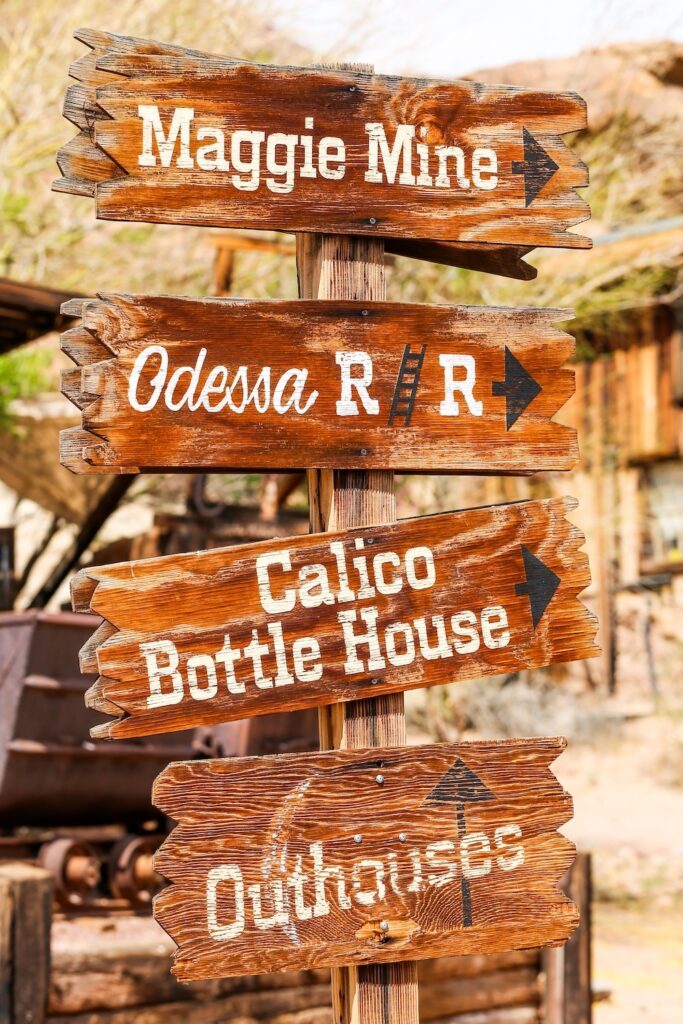
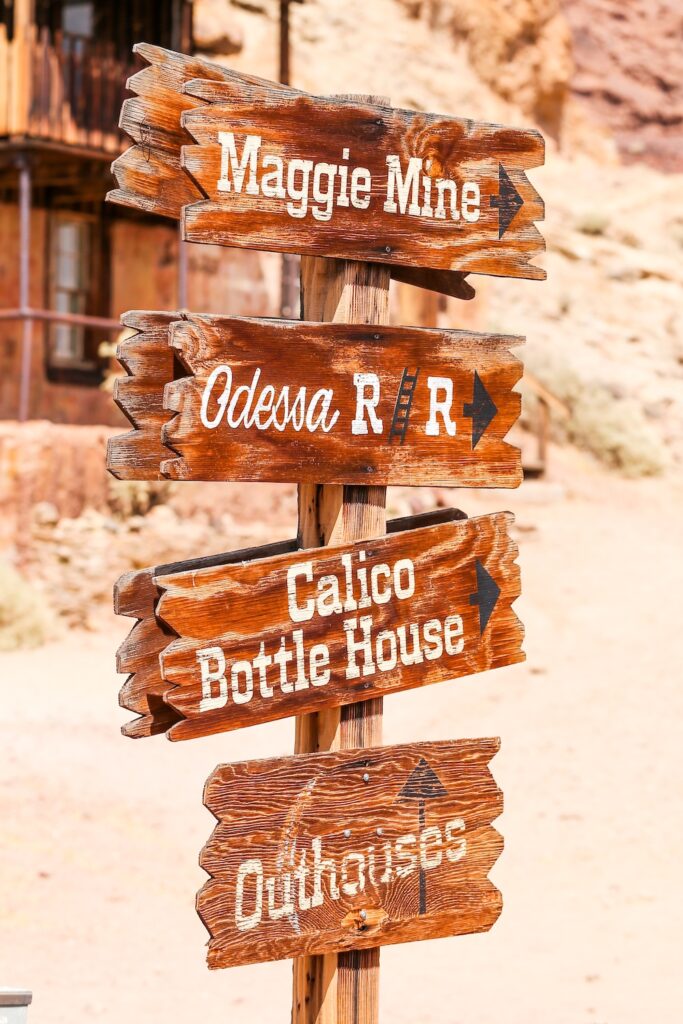
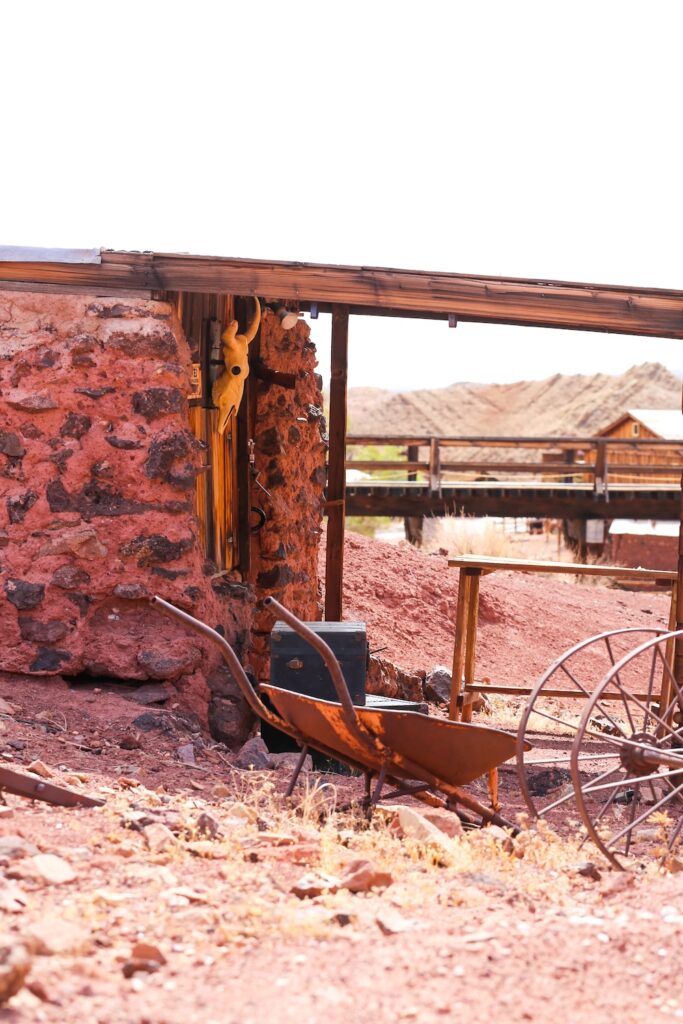
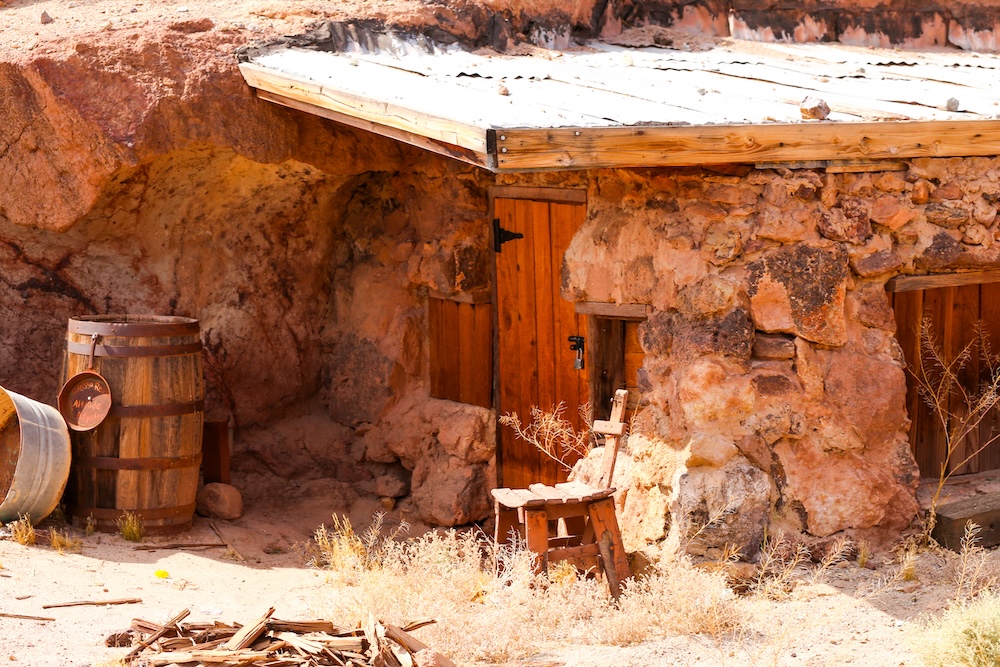
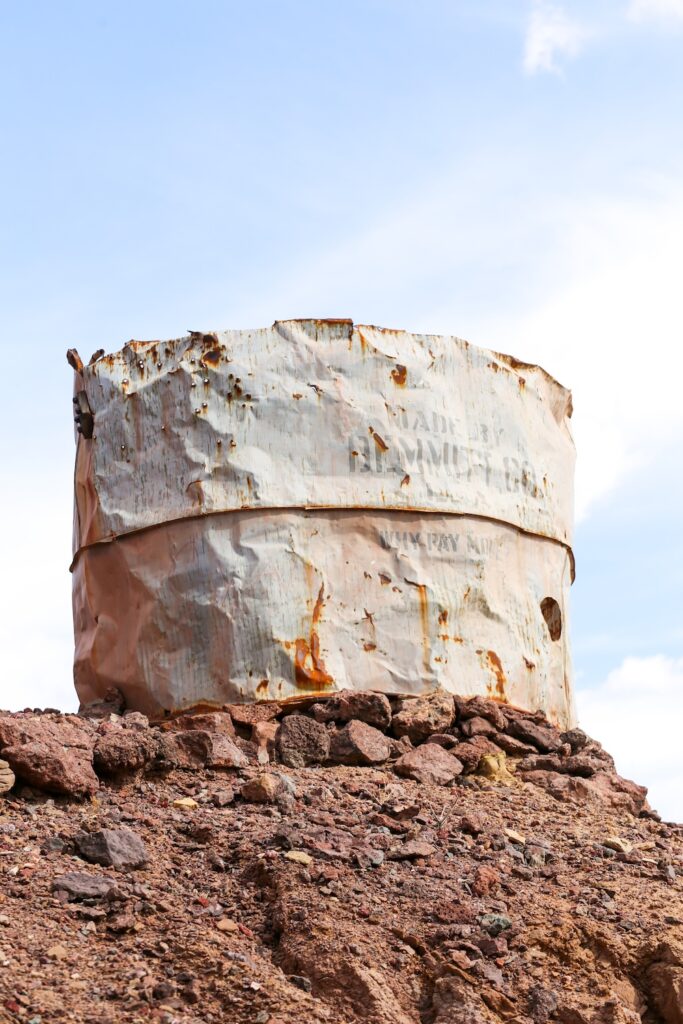
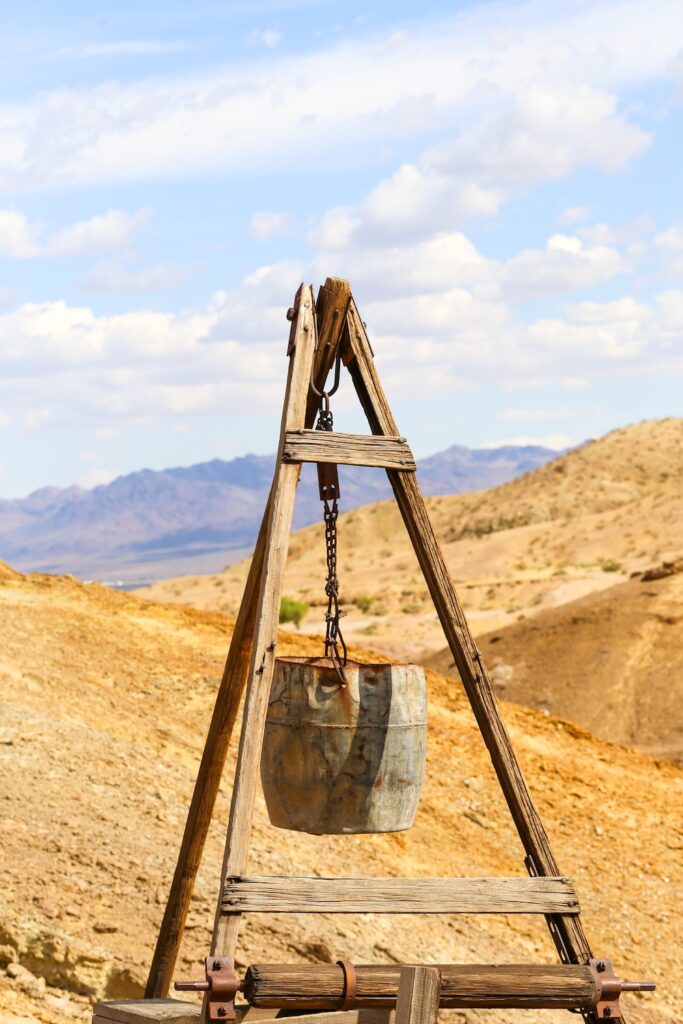
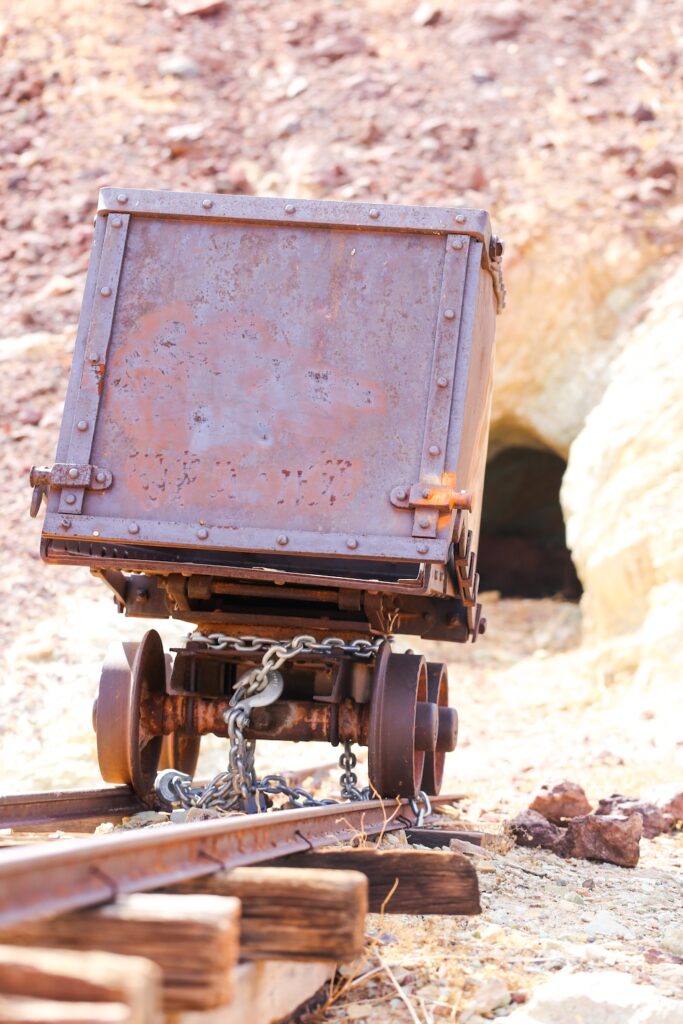
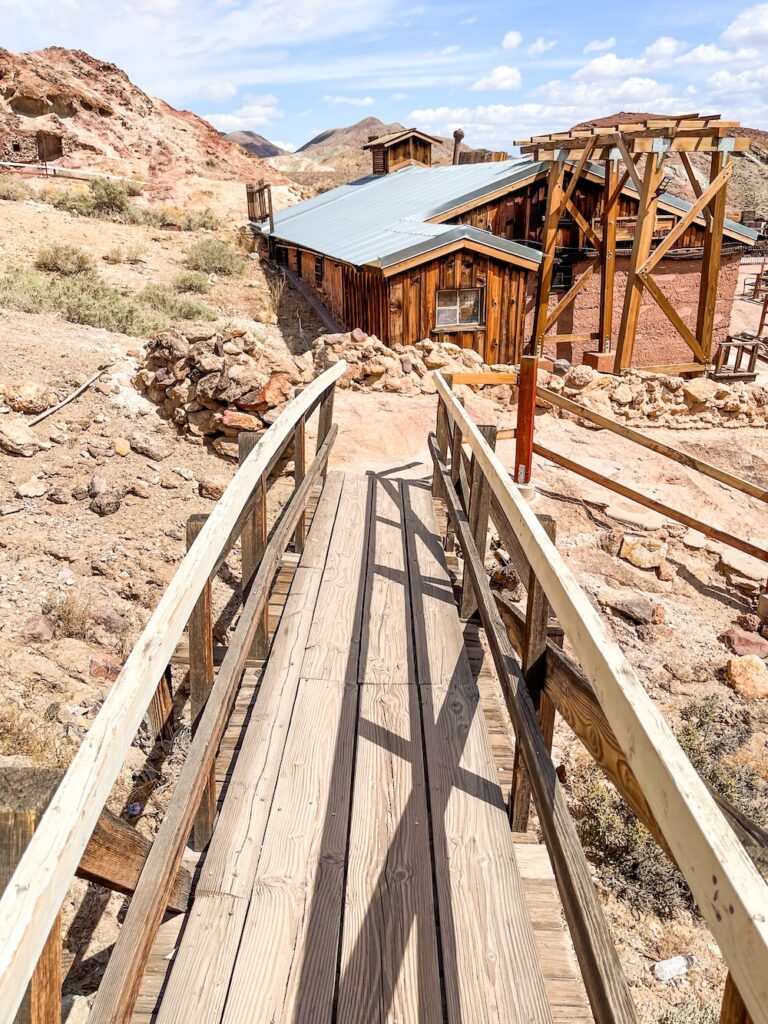
One of the highlights of Calico is the Maggie Mine tour. This self-guided attraction takes visitors into an old silver mine tunnel where you can see mining equipment, narrow passageways, and displays explaining what life was like for miners in the 1880s.
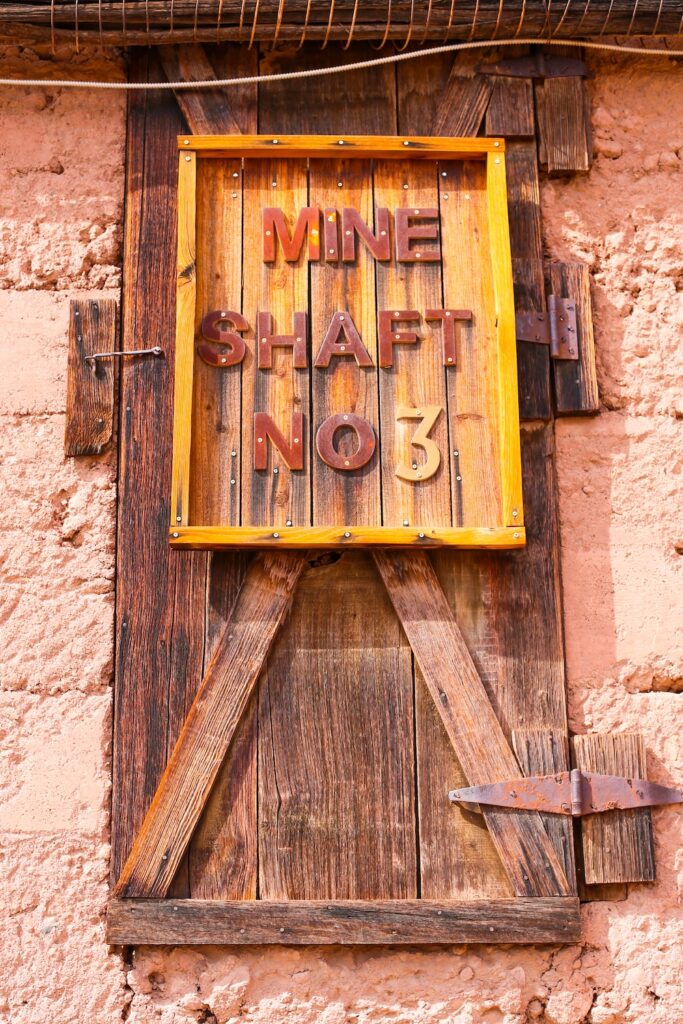
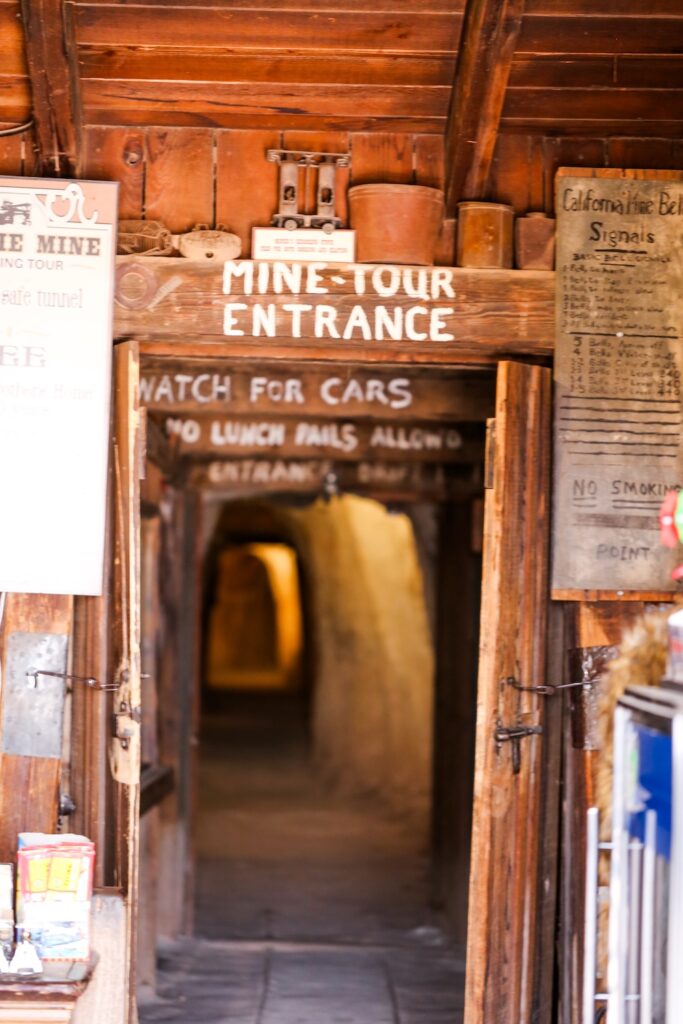
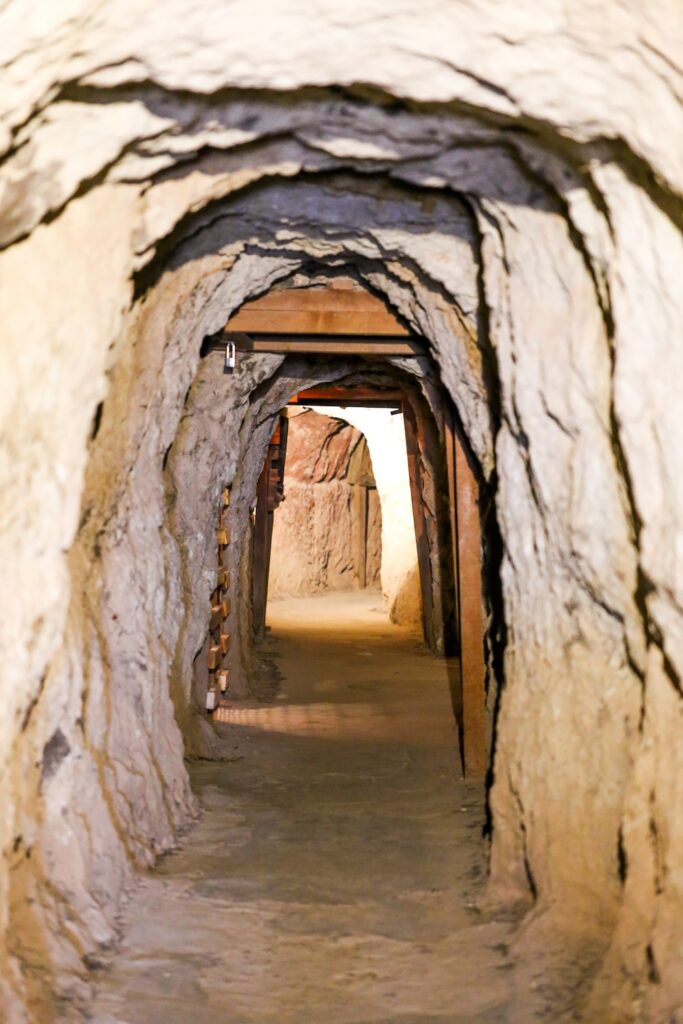
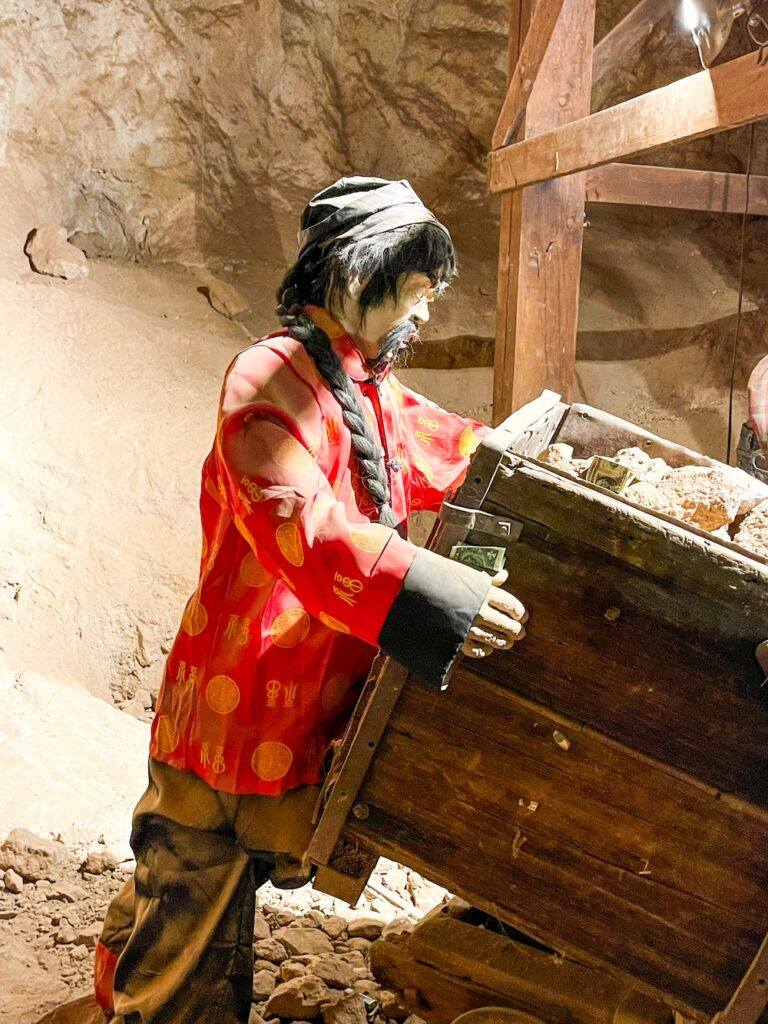
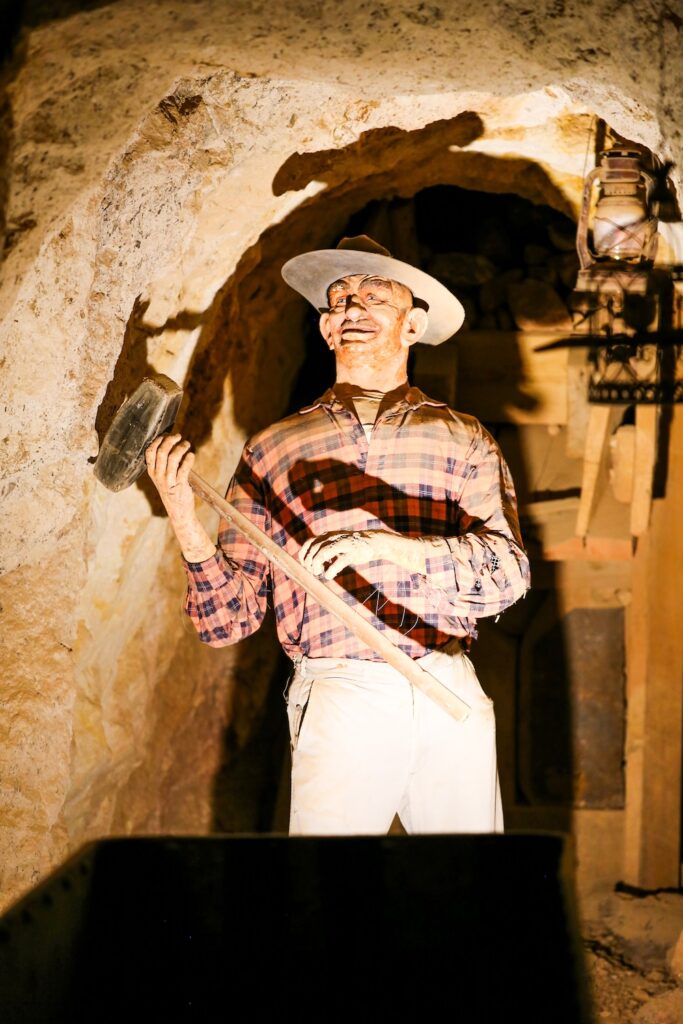
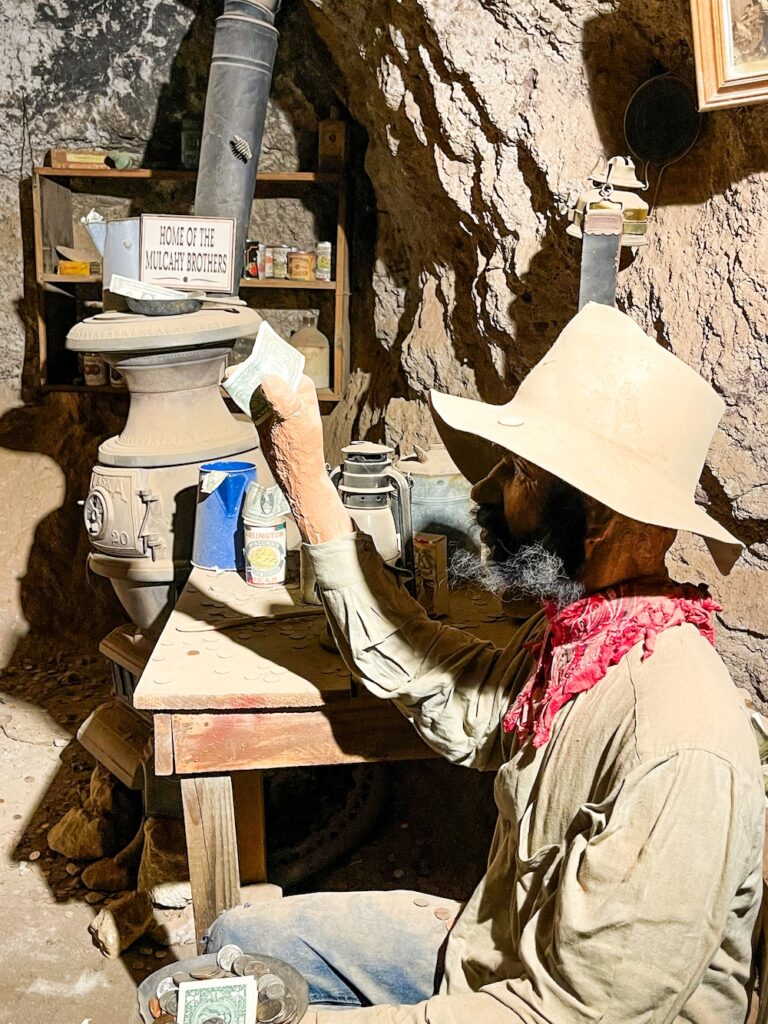
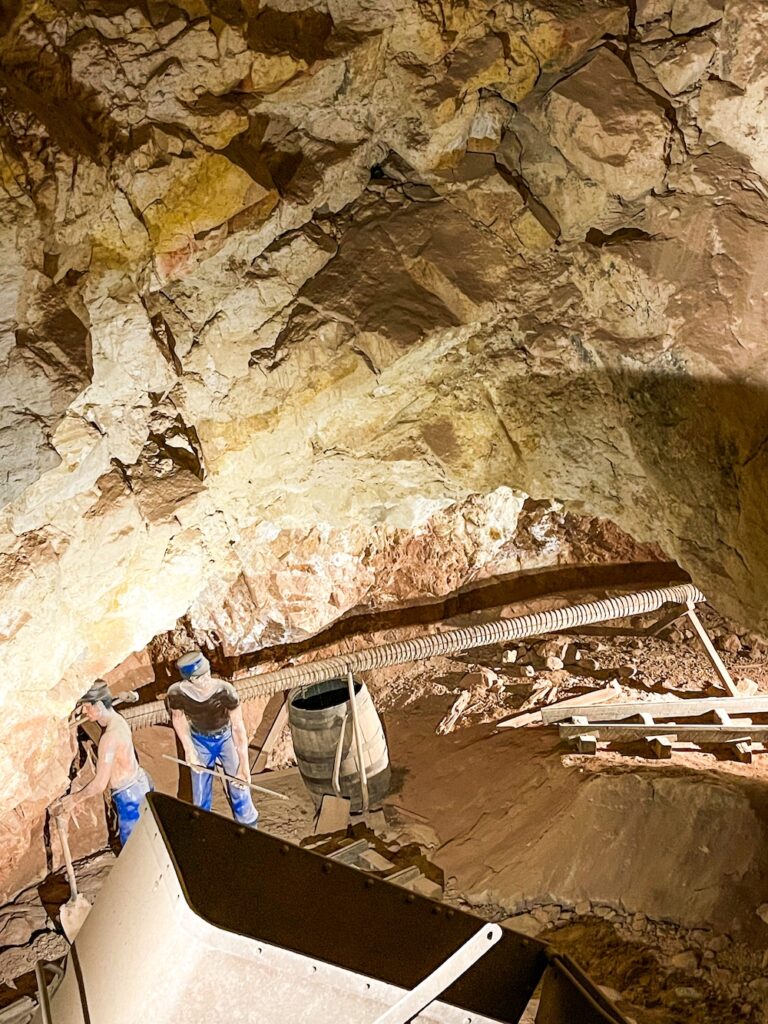
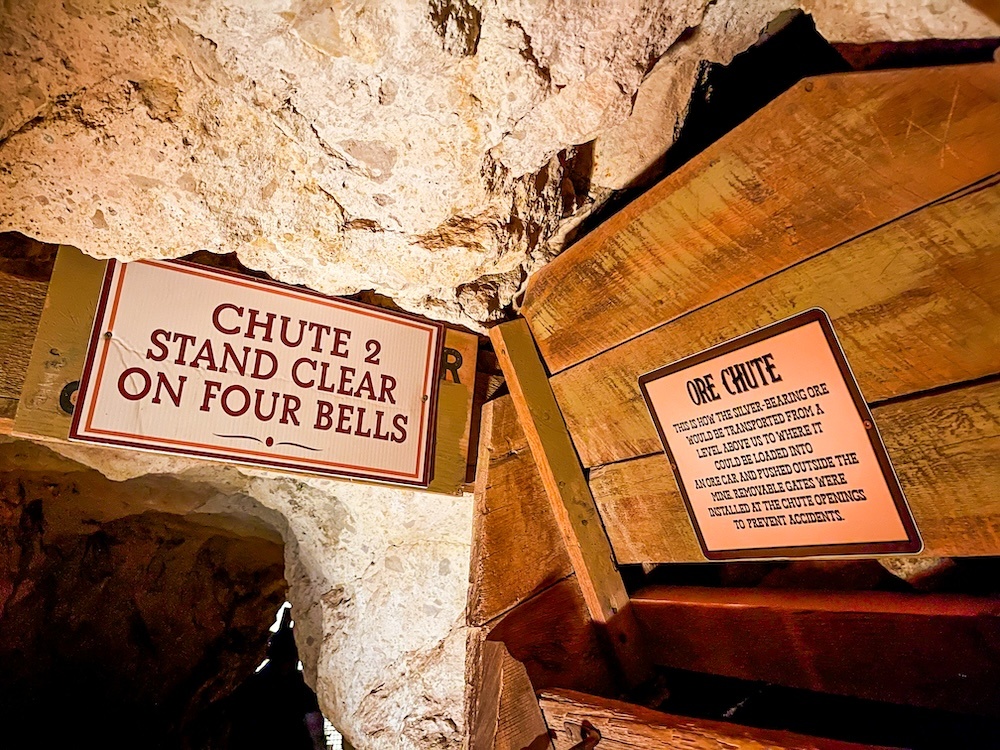
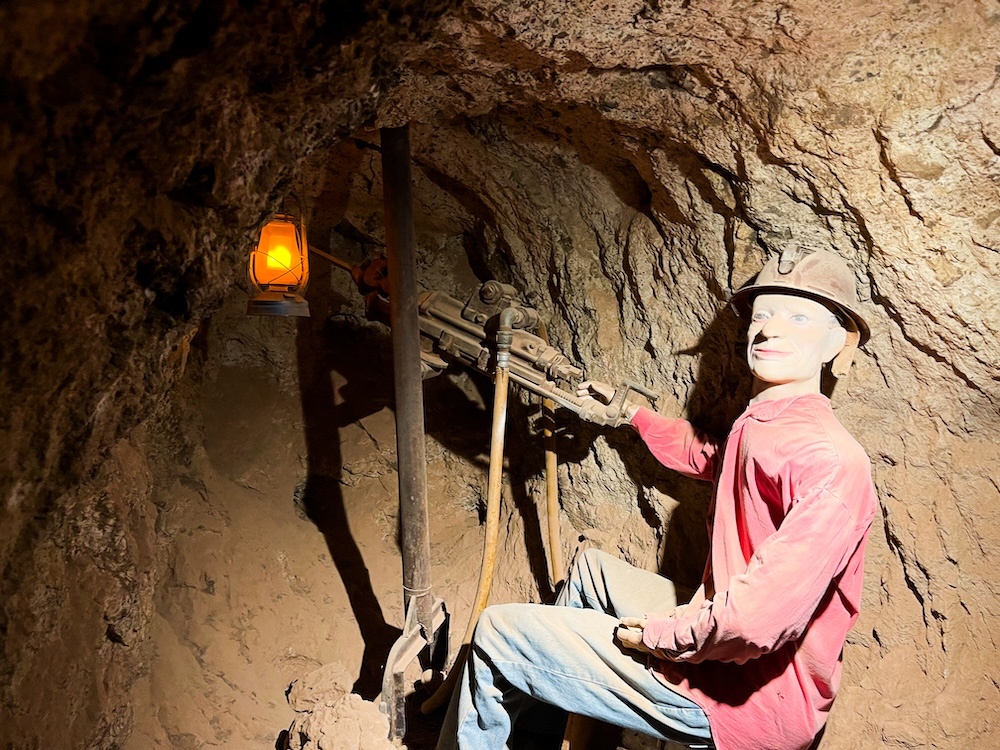
The tunnels stay noticeably cooler than the desert outside, which honestly feels amazing on a warm day.
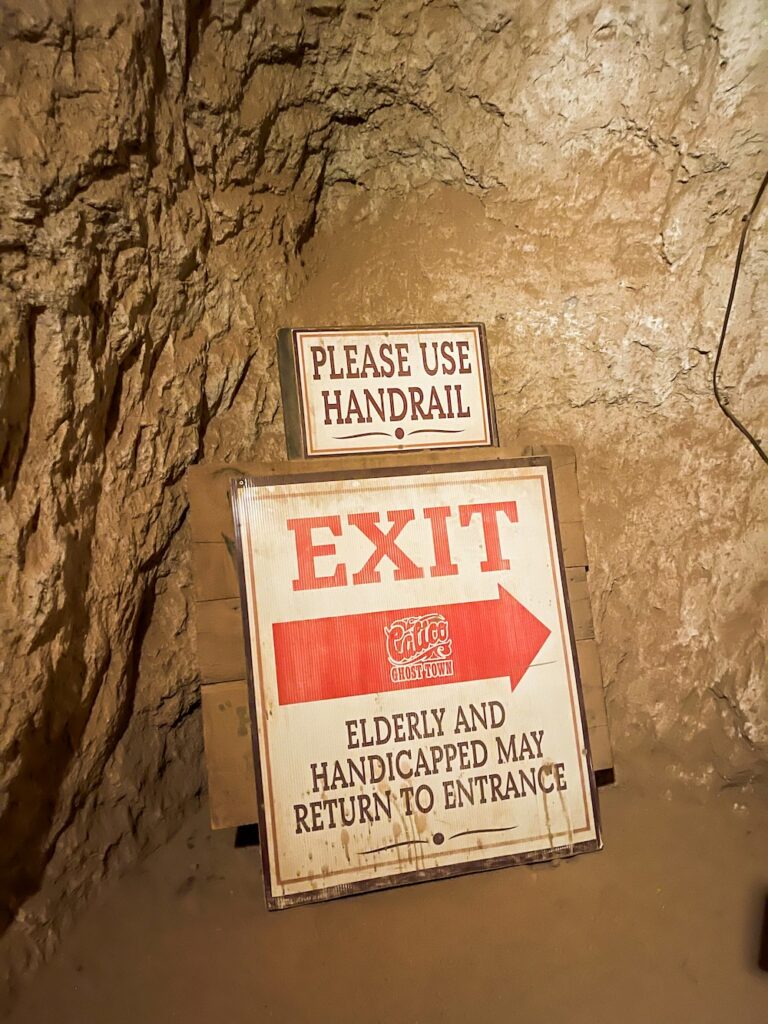
The mine attraction gives a better understanding of how difficult and dangerous silver mining really was, while still being accessible (there’s stairs at the end, but a sign says if you can’t take the stairs, just turn around and exit through the entrance) and family friendly.
The Calico Odessa Railroad
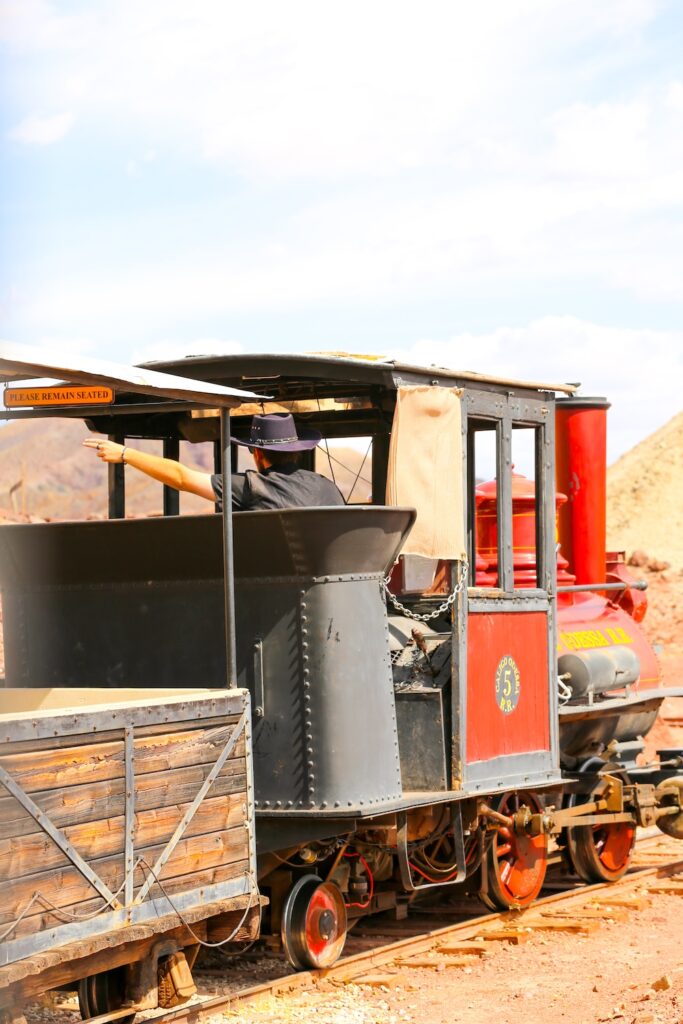
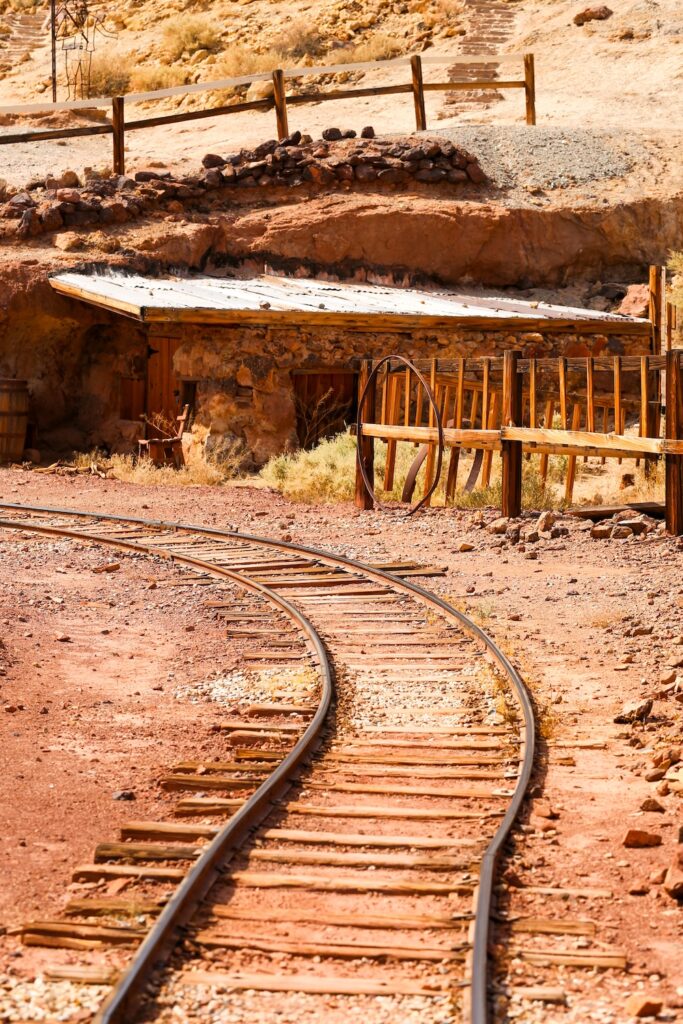
The narrow gauge railroad is another classic Calico attraction. The short ride loops around the desert and includes fun storytelling about the area’s mining history. It is especially popular with kids, but honestly, adults who love old western vibes and trains will probably enjoy it too.
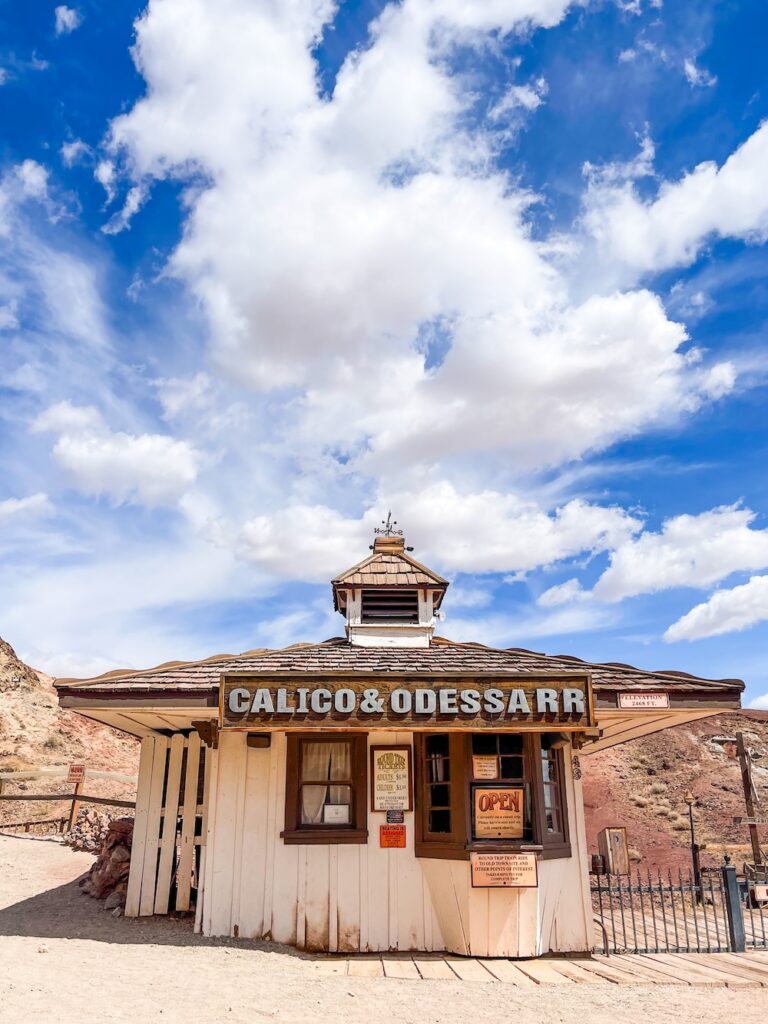
The views of the surrounding desert landscape are surprisingly pretty and the conductor points out the historical aspects of the town along the way.
The Mystery Shack
The Mystery Shack is Calico’s quirky gravity-defying attraction filled with optical illusions and tilted rooms designed to make you question your balance and perception.
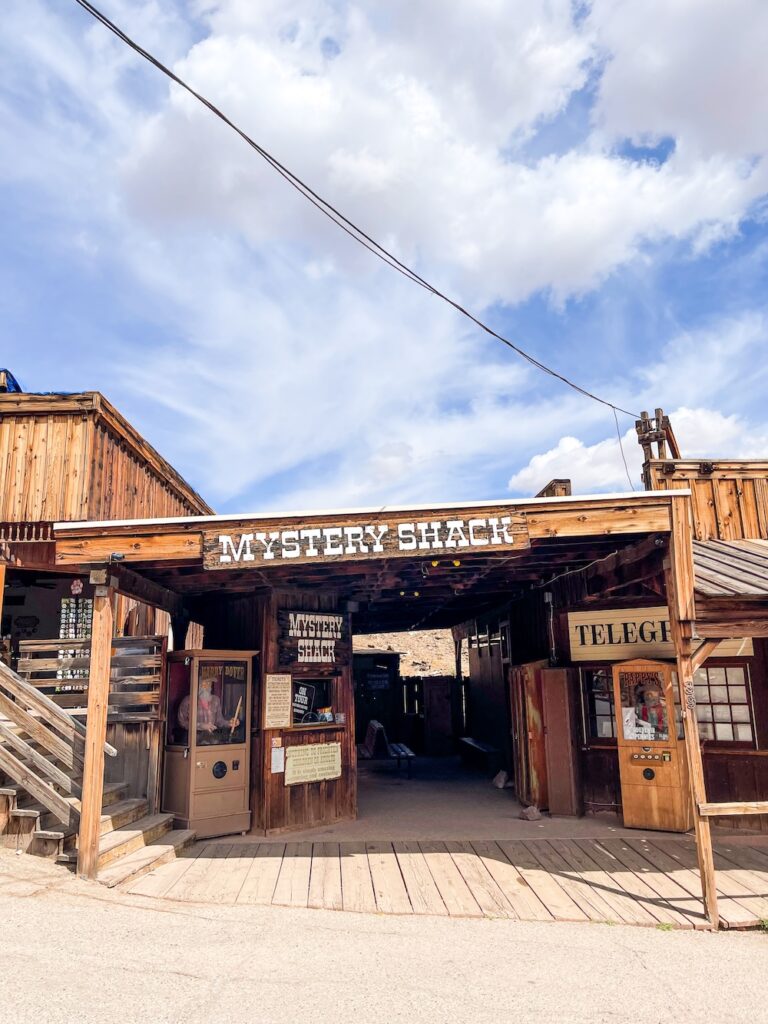
We skipped this one because we’re loyal to the Santa Cruz version, but if you have never experienced one of these attractions before, it could be a fun addition to your visit.
Bottle House and Chinatown
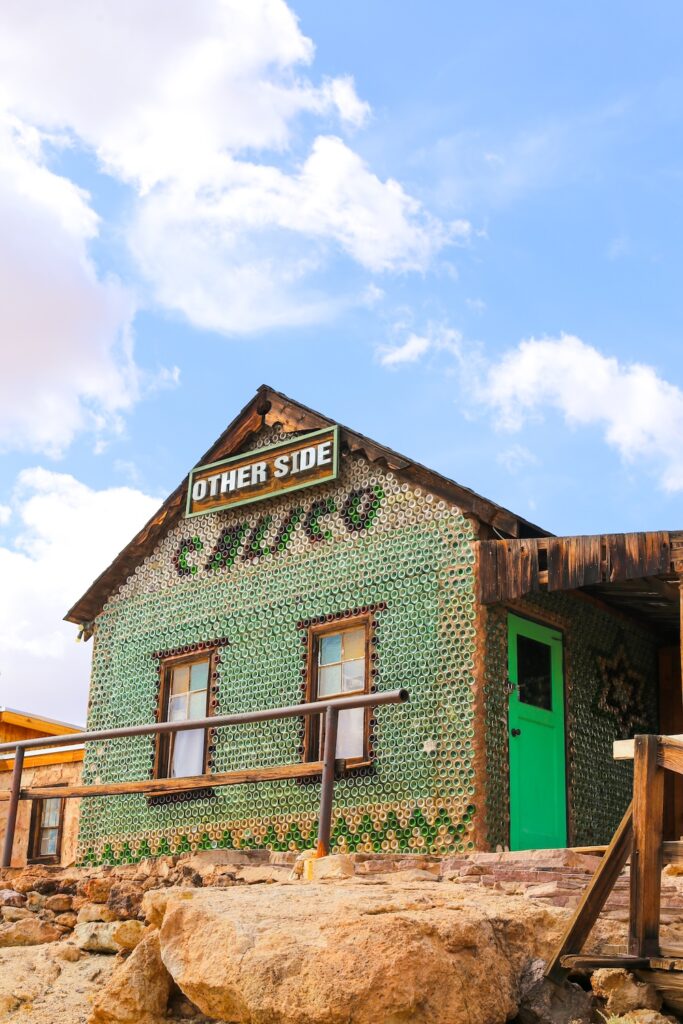
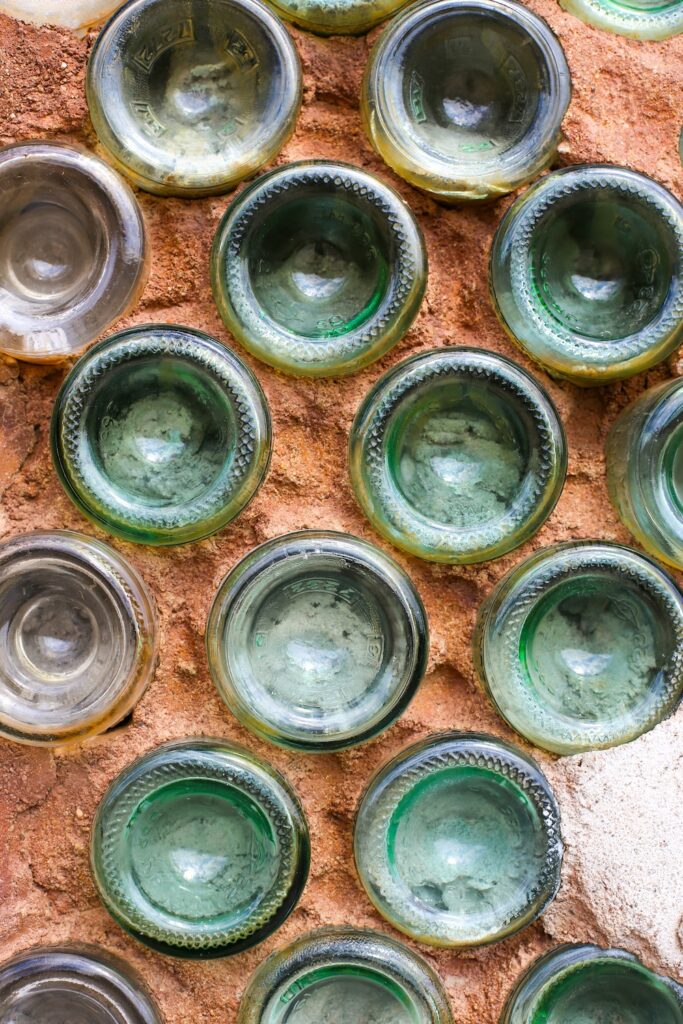
The Bottle House is one of the most photographed spots in town. Yes, it is literally a house made from glass bottles. Built during the mining era, it has become one of Calico’s signature landmarks and perfectly captures the town’s weird desert charm.
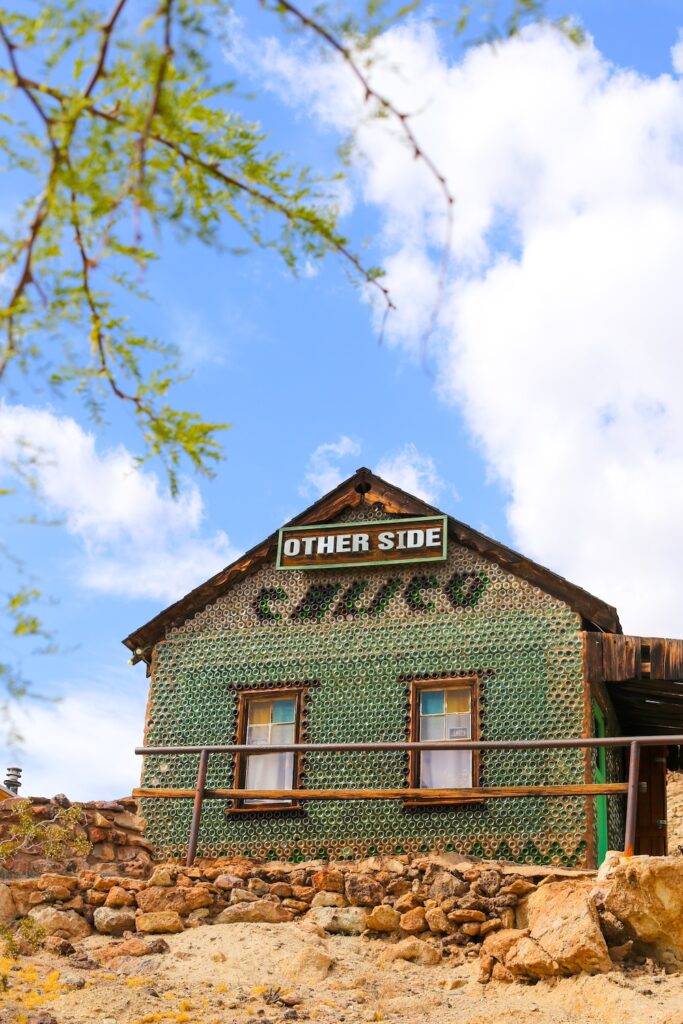
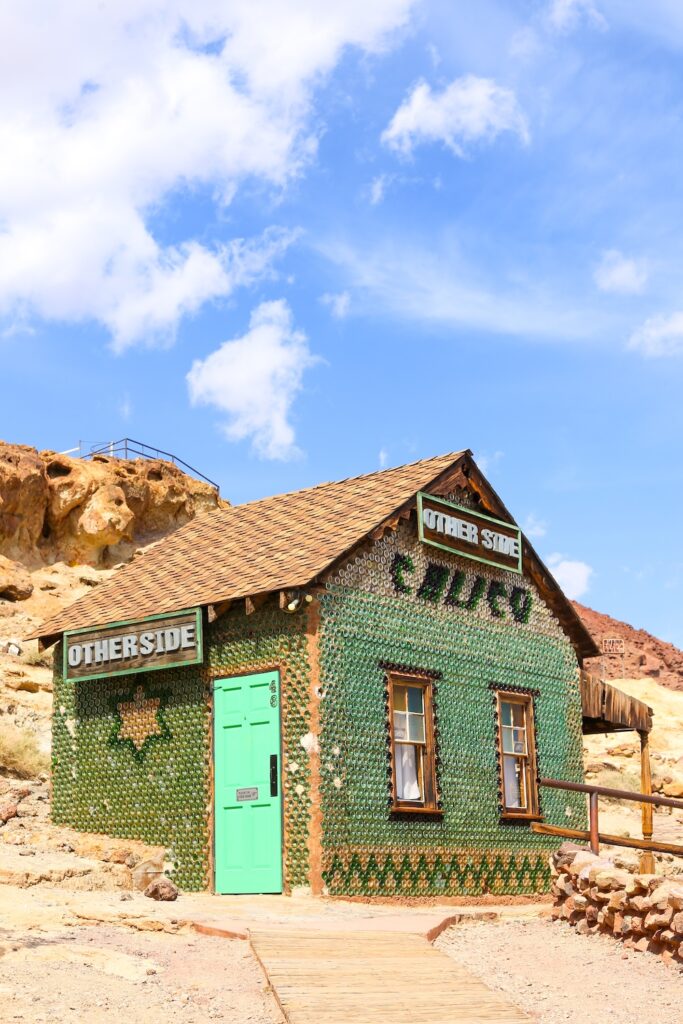
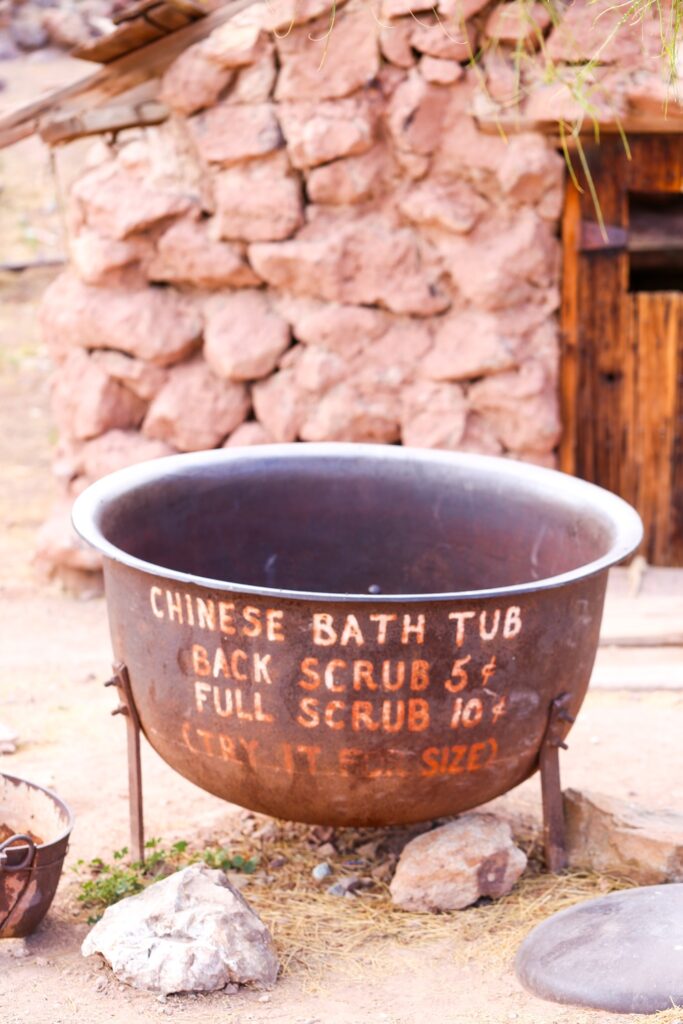
Calico also preserves a small Chinatown ruins area that recognizes the Chinese immigrants who lived and worked in the mining town. While it is not large, it serves as an important reminder of the diverse communities that helped build California’s mining history.
Panning for Gold
The gold panning attraction is especially popular with families. Visitors can sift through water and dirt searching for “gold” just like prospectors during the mining boom days. The gold is “fool’s gold” and dinner in Vegas is on whoever pans for the most of it!
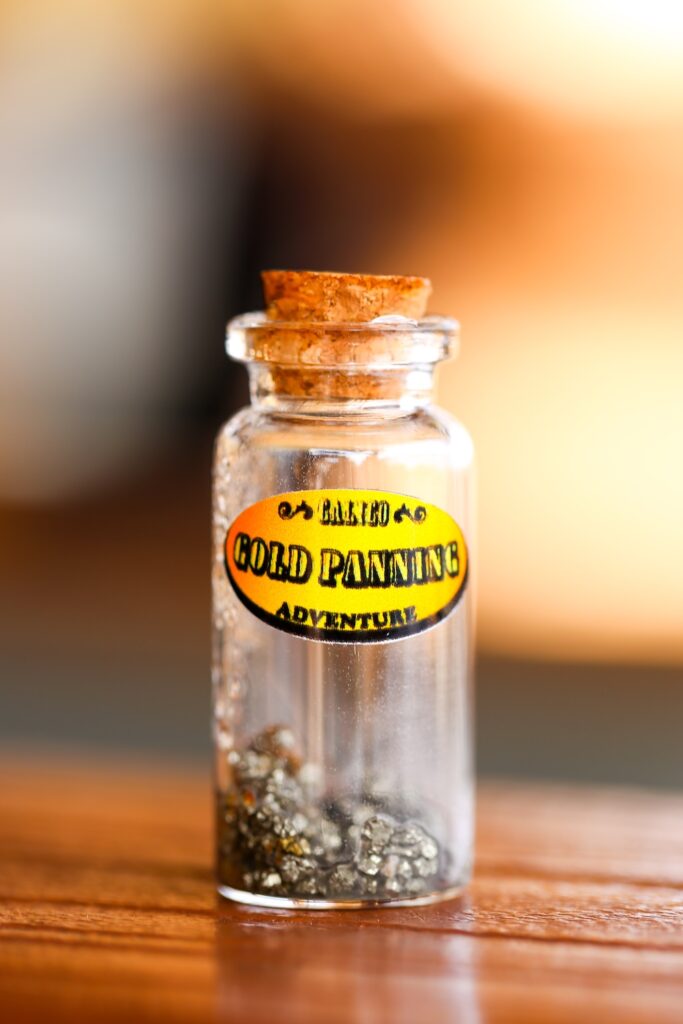
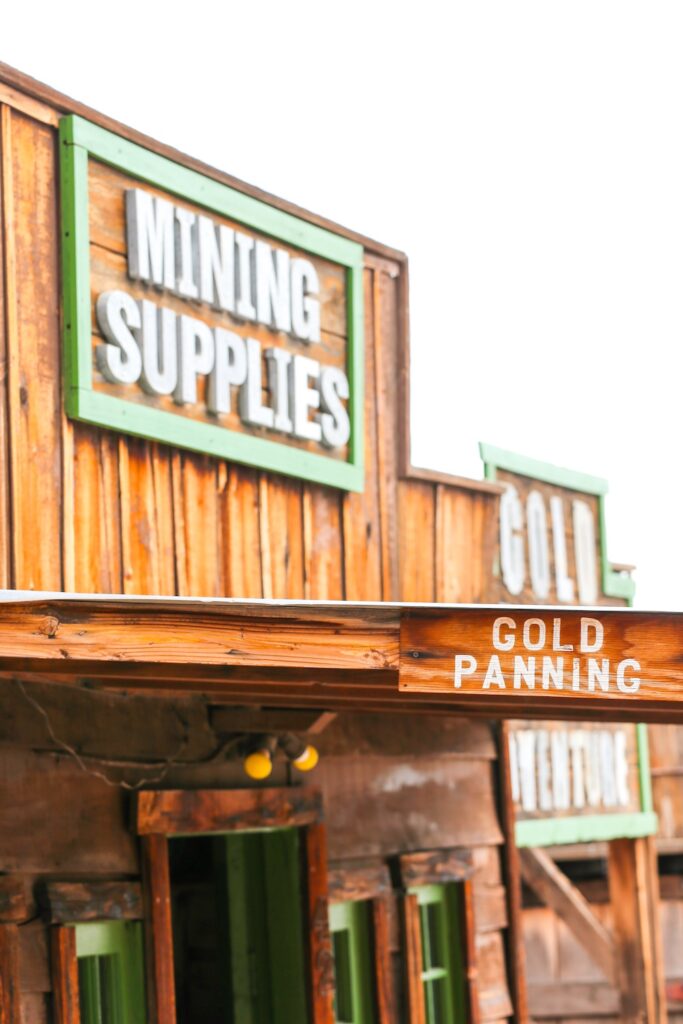
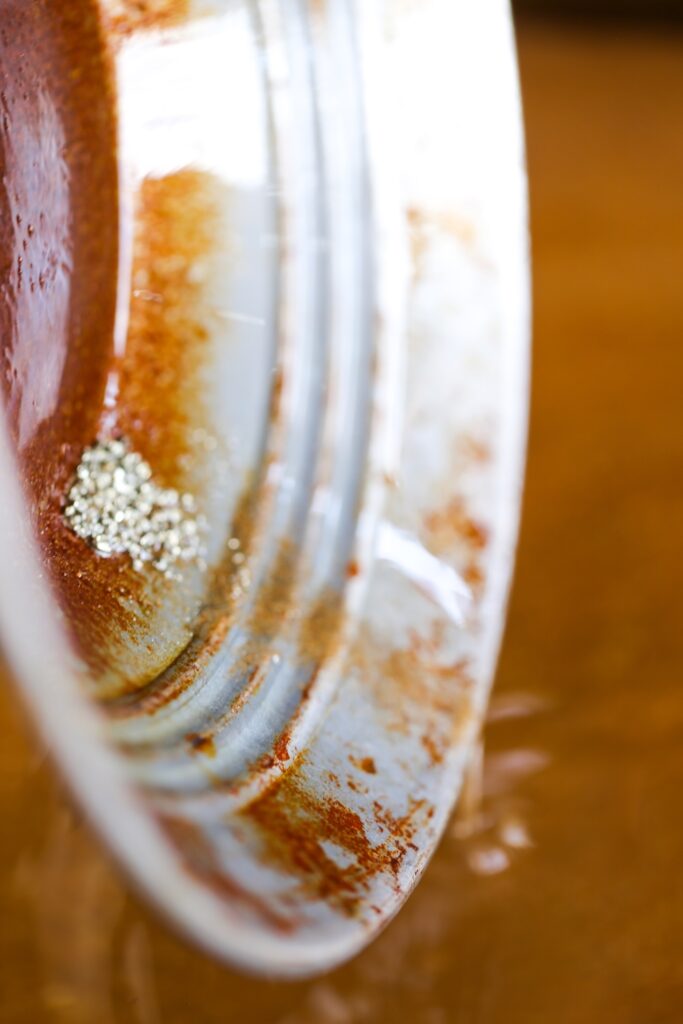
It is a simple activity, but younger kids seem to absolutely love it.
Old-Timey Photos and Shopping
You cannot visit a ghost town without at least considering old-fashioned western portraits. The photo studio lets you dress up in saloon-style costumes, cowboy hats, and old western outfits for a vintage souvenir photo.
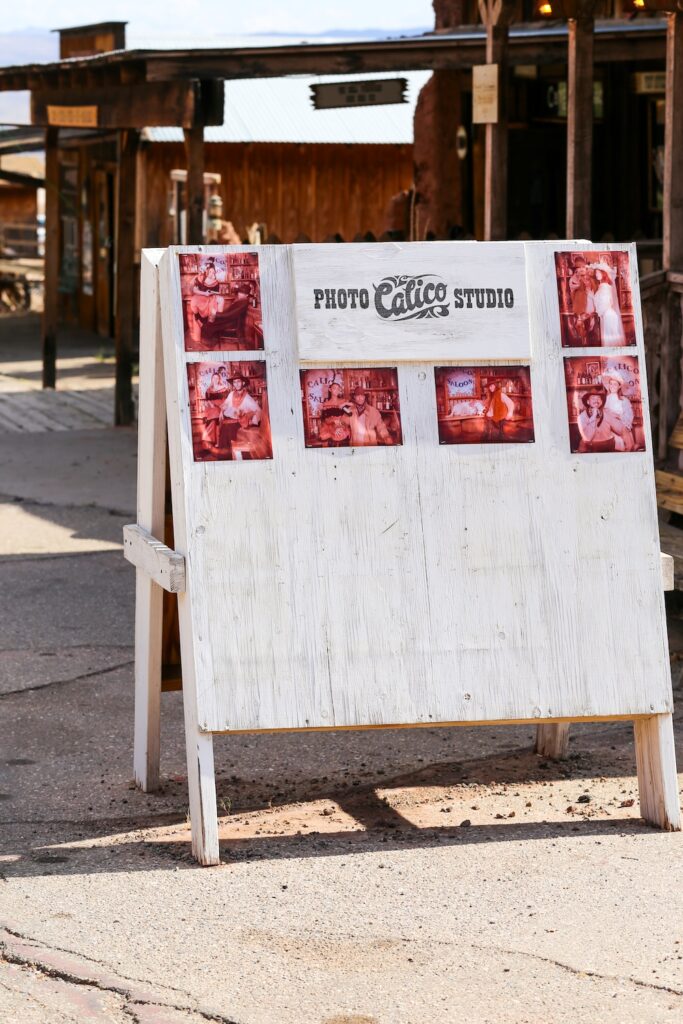
The photographer said the process would take roughly 45-minutes, but I told him we could do it in less than 30 minutes and sure enough, we did!
The shopping throughout Calico is also part of the fun. Expect:
- Western-themed souvenirs
- Rocks and minerals
- Route 66 gifts
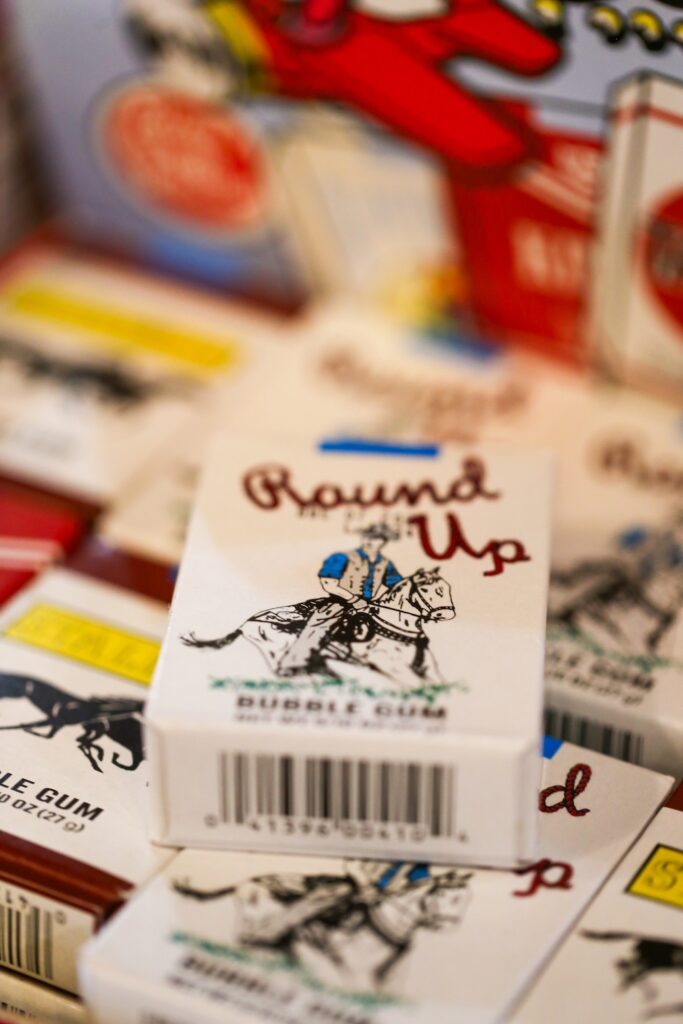
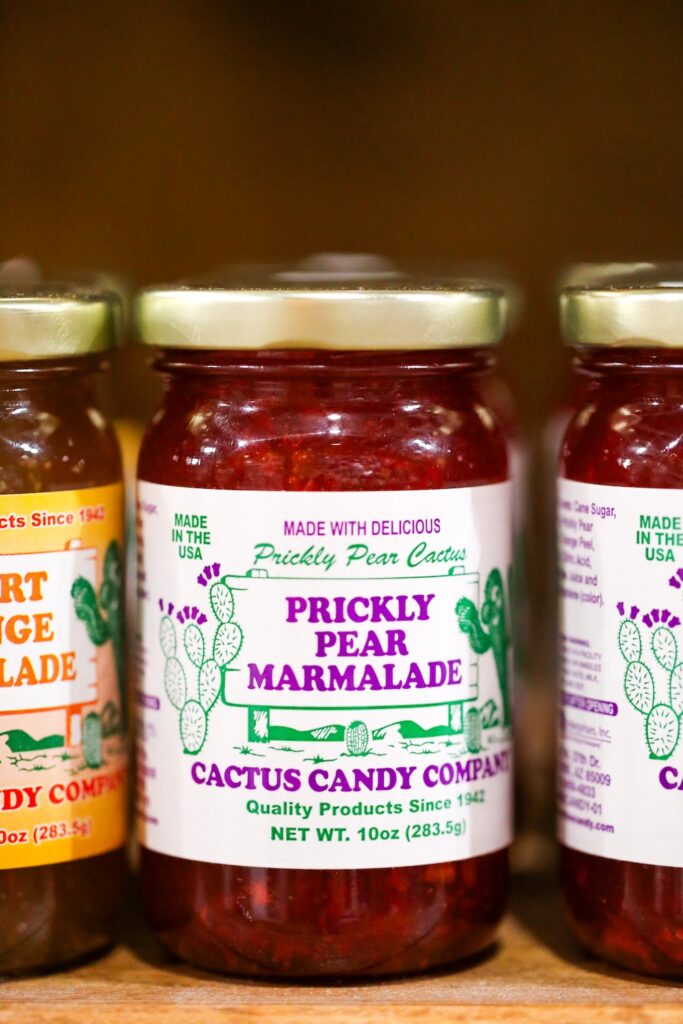
- Candy shops
- Handmade crafts
- Leather goods
- Toy stores
- Sarsparilla and old-fashioned sodas
Even if you are not a huge souvenir person, the shops are entertaining to browse.


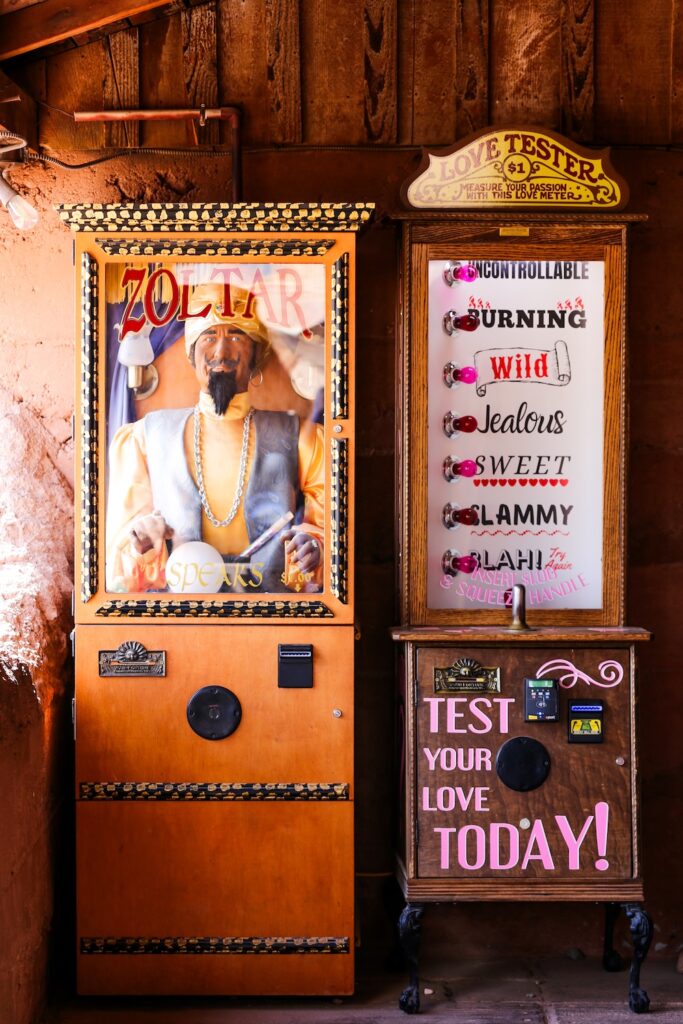
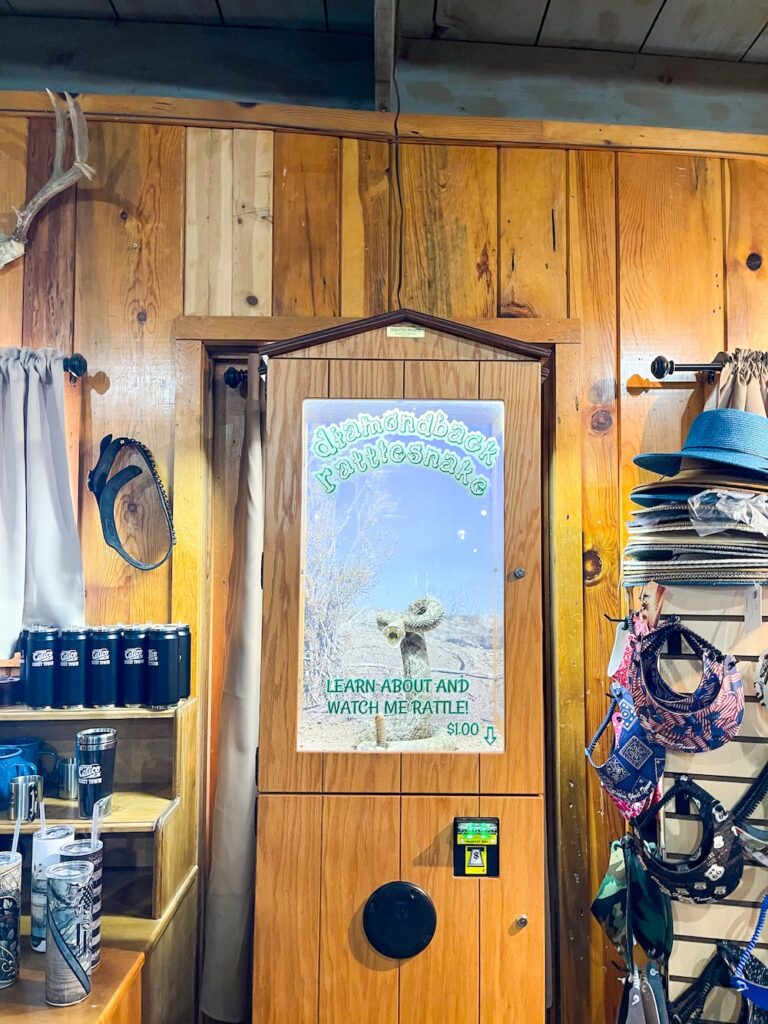
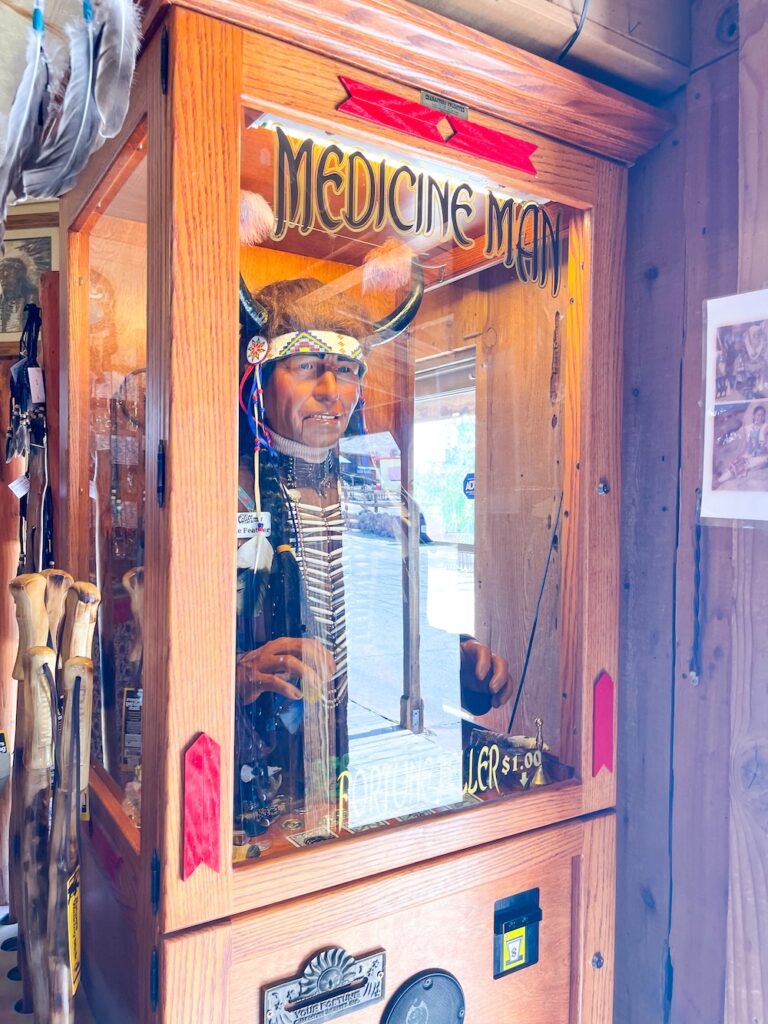
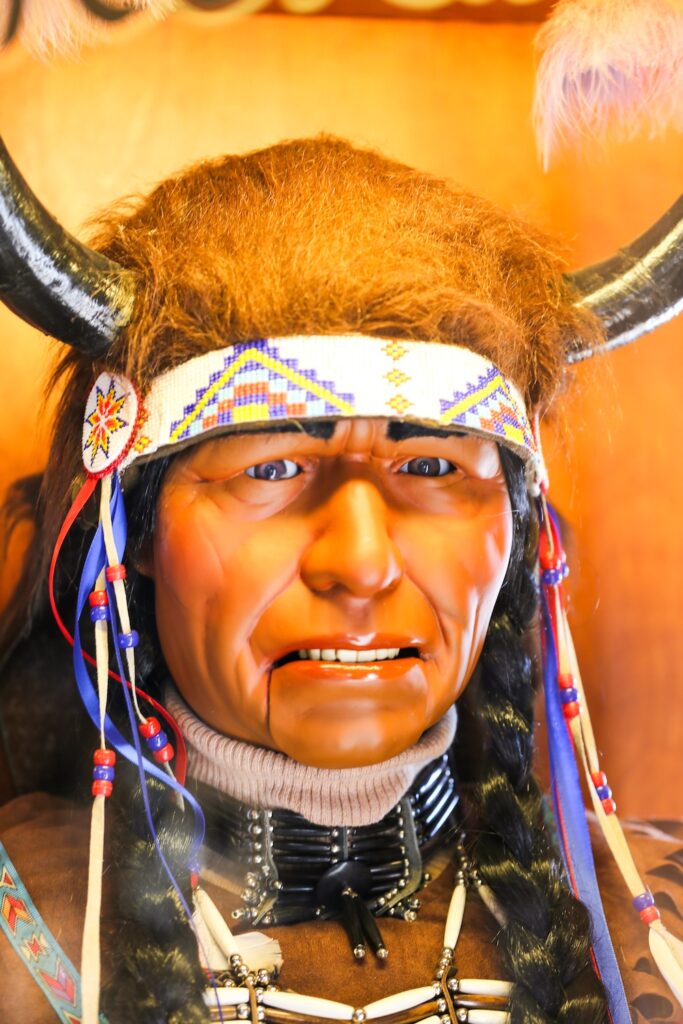
There also seems to be a themed fortune teller in every nook and cranny! From Zoltar to the Medicine Man to a Diamondback Snake, the town will try to extract every dollar from you!

Where to Eat
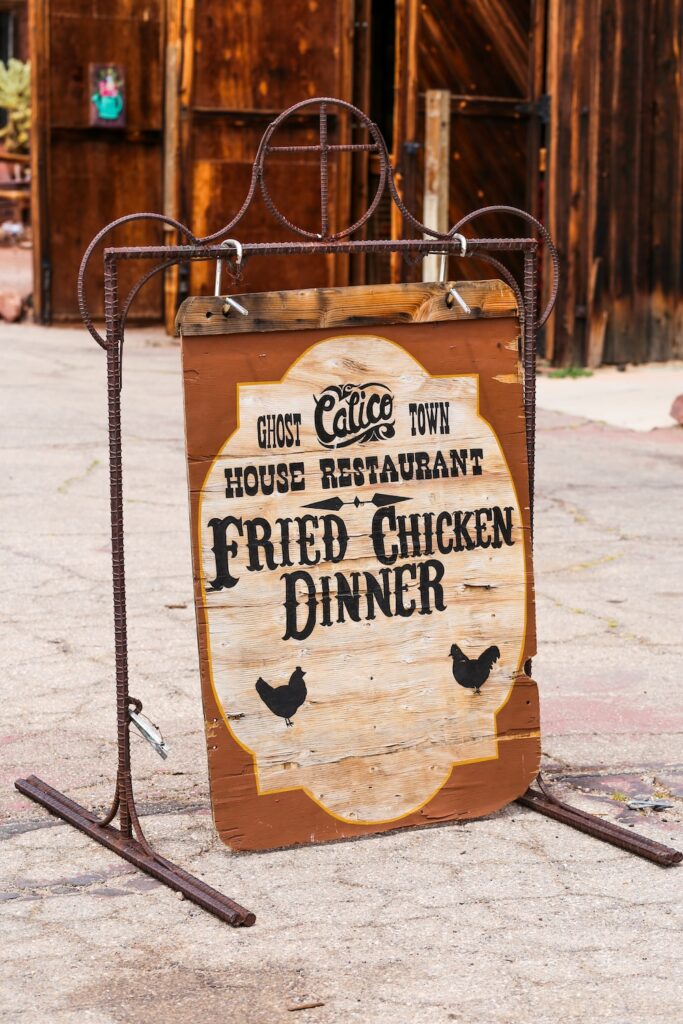
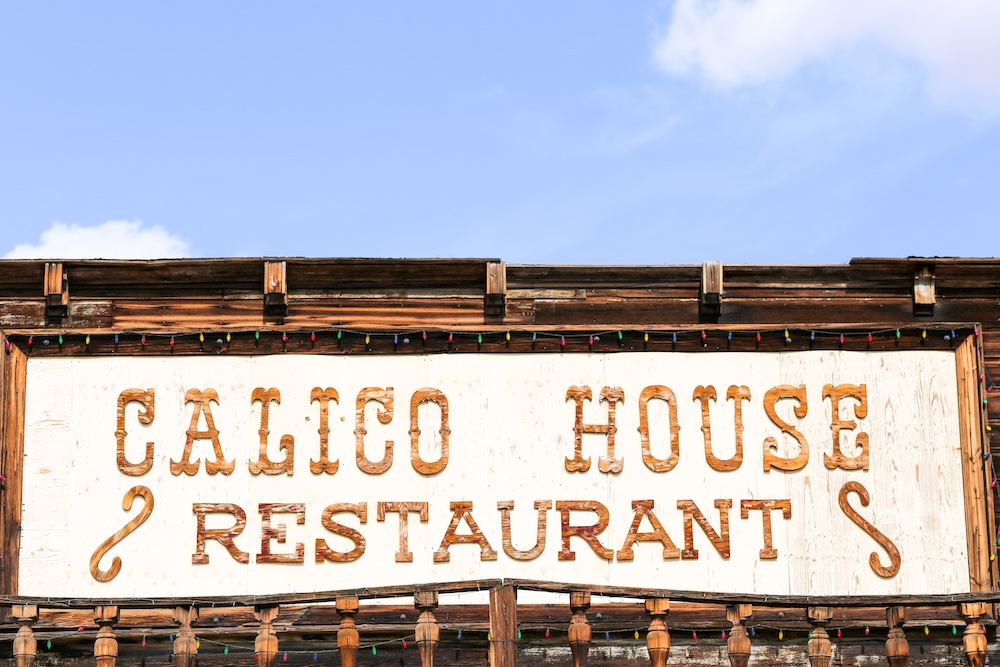
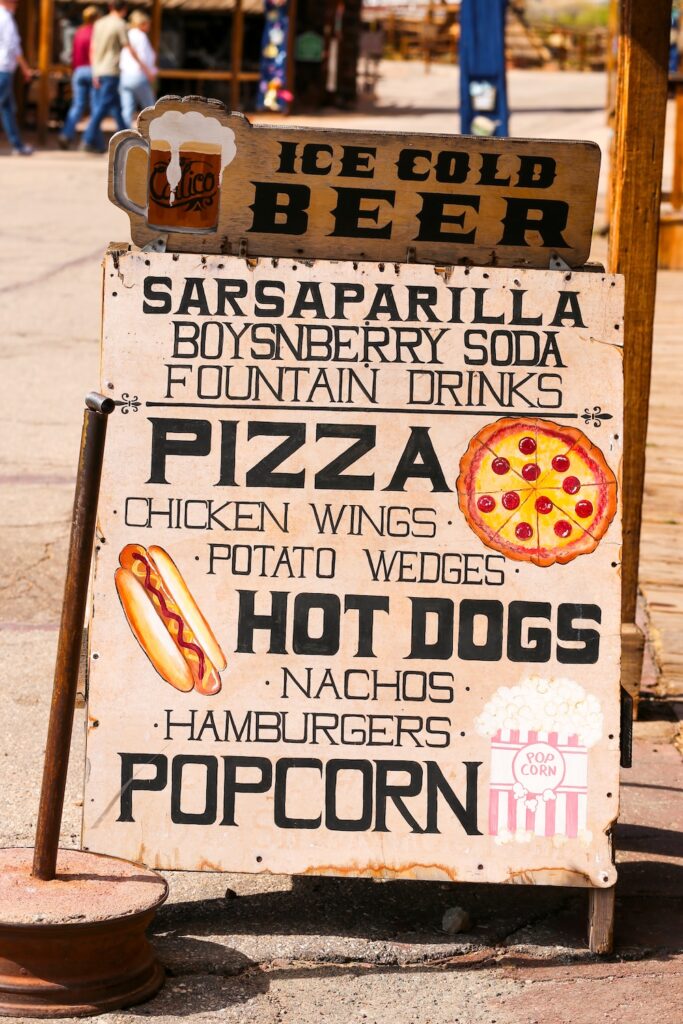
There are a few casual places to eat inside town serving burgers, barbecue, snacks, and western-style comfort food.
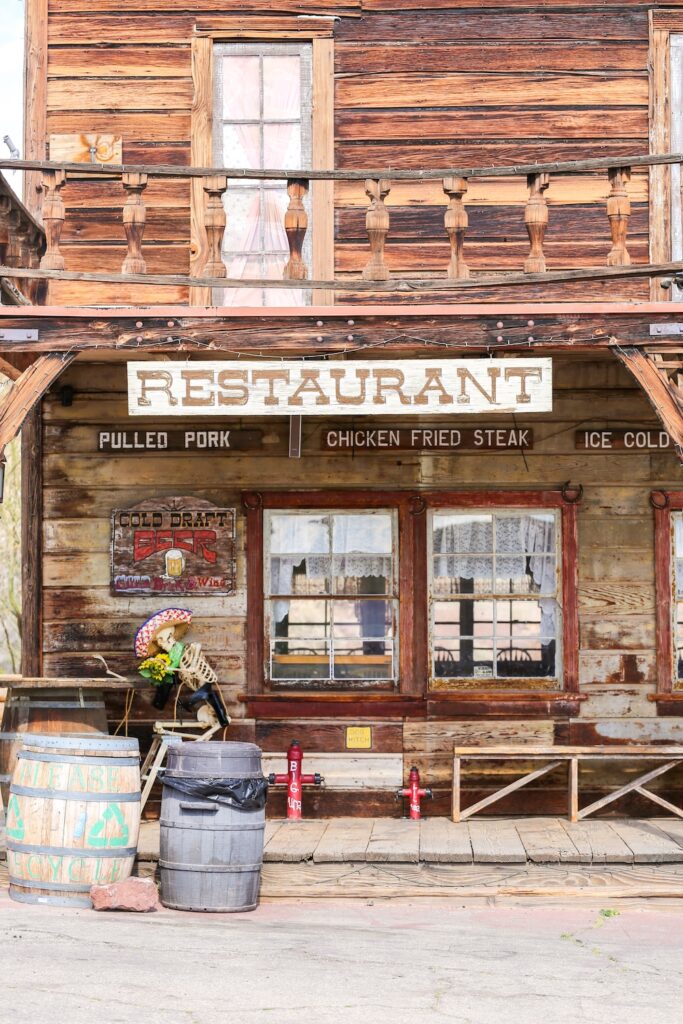
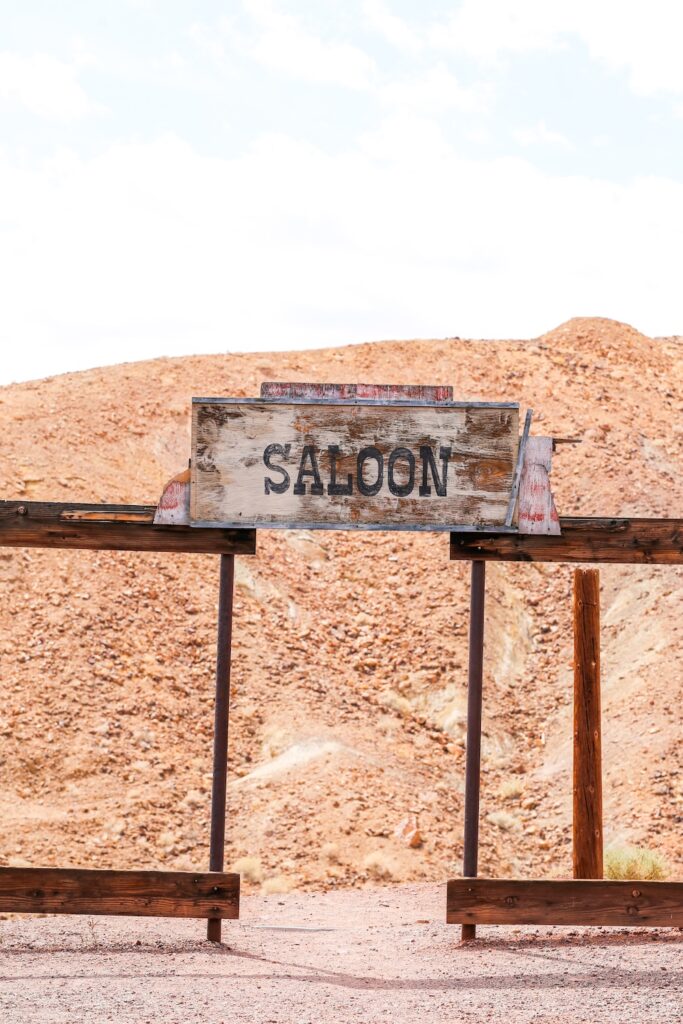
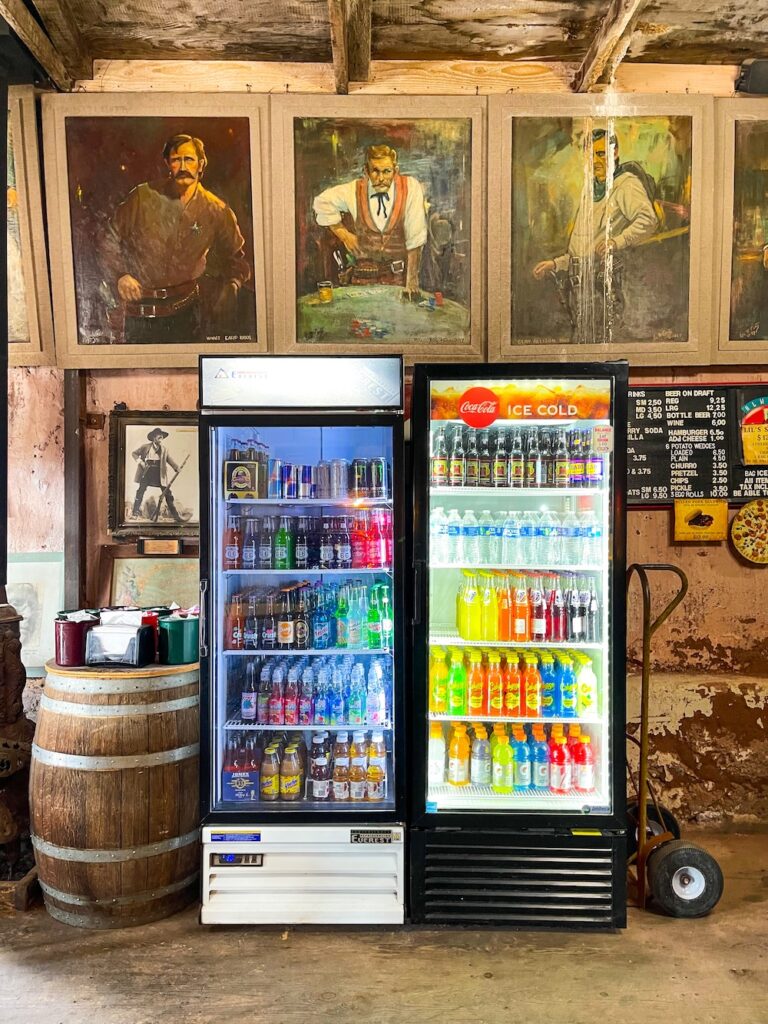
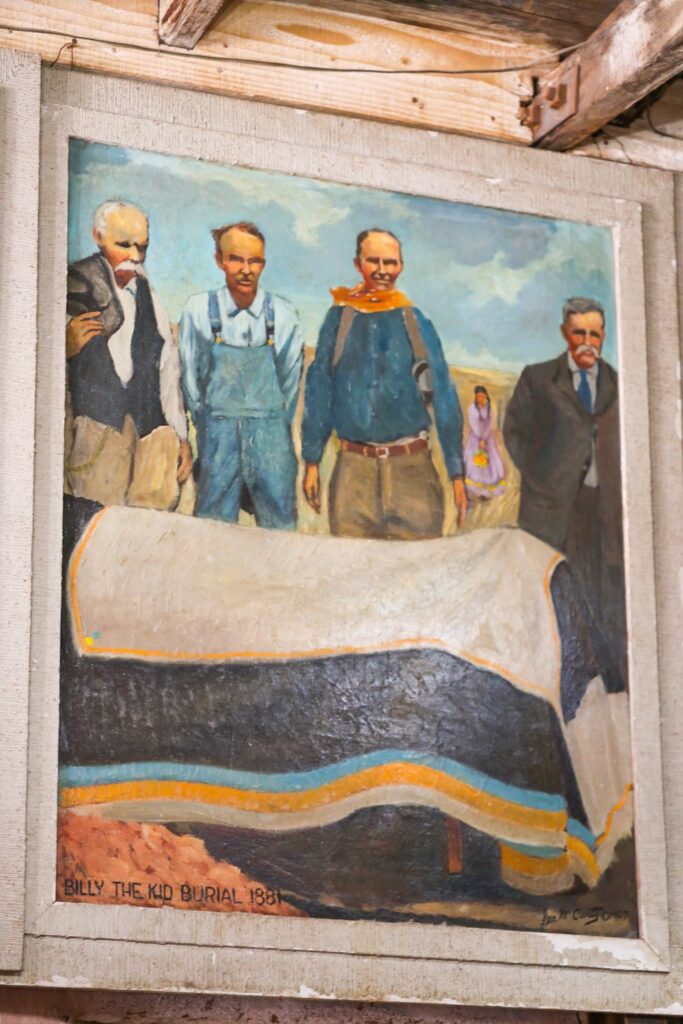
Stop into the Saloon for a beer and to check out the paintings on the walls!
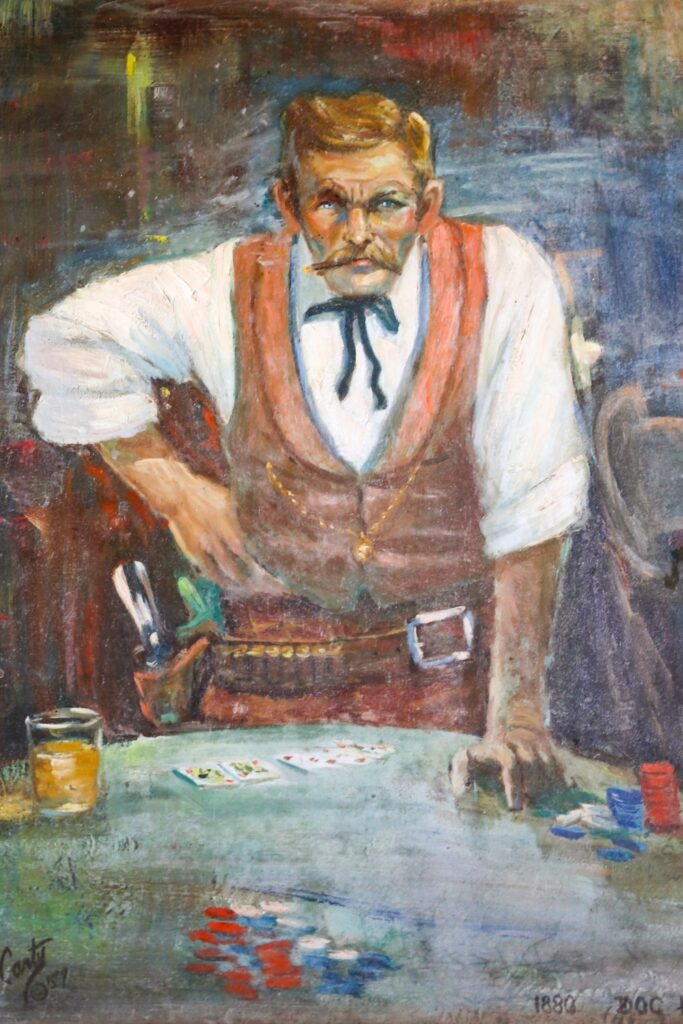
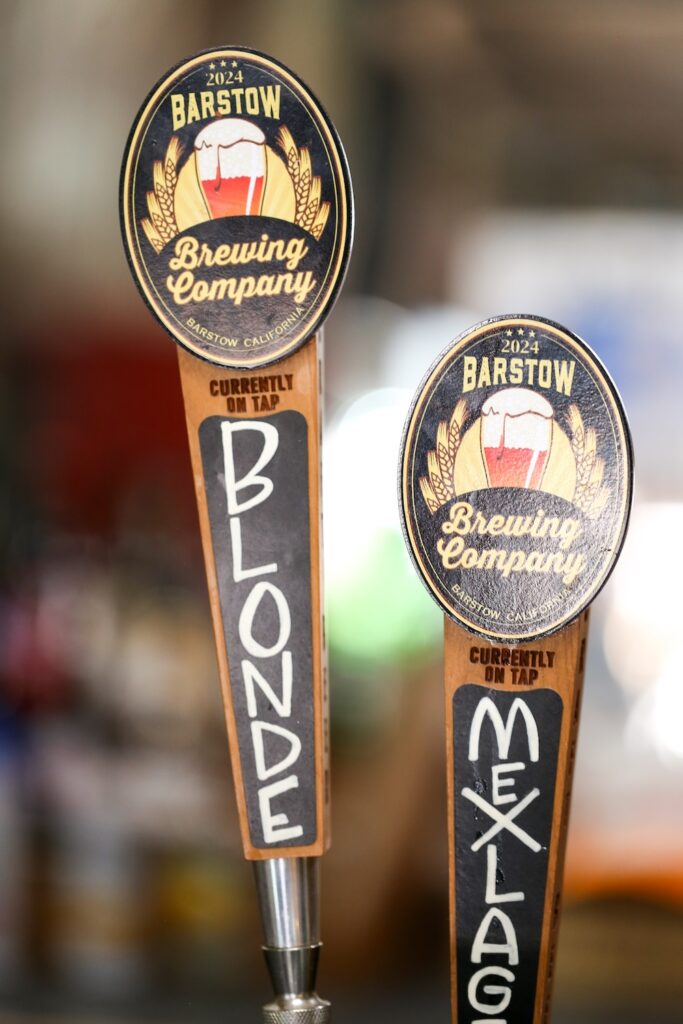
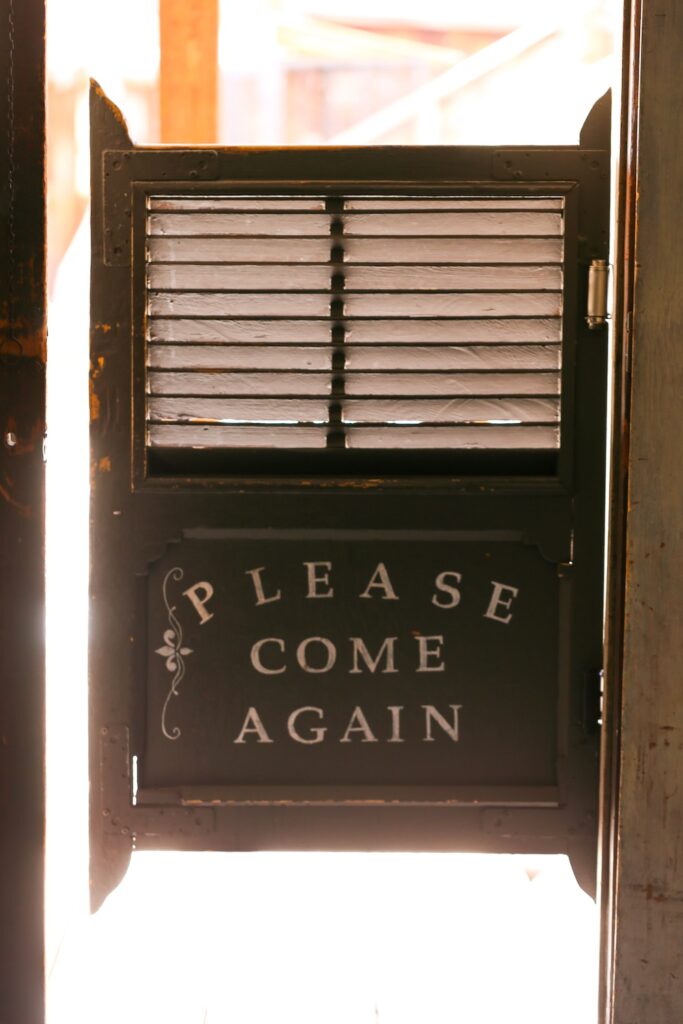
Even if you do not stop for a full meal, definitely grab a cold sarsaparilla while walking around. There is something about drinking an old-fashioned soda in a dusty ghost town that just feels right.
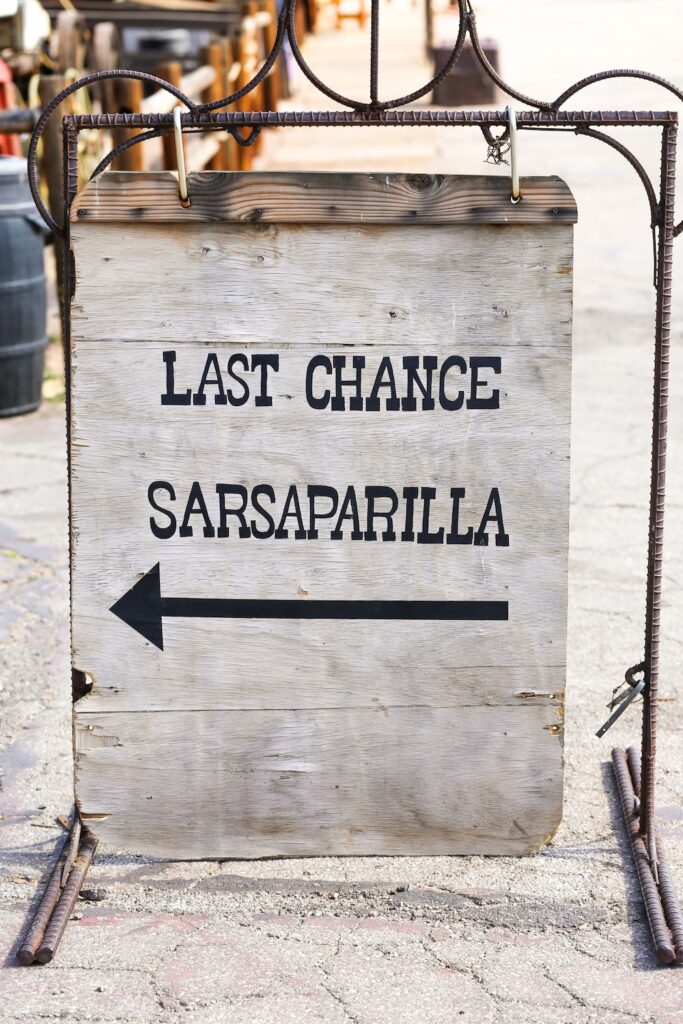
If you want more substantial food options nearby, you can also stop in:
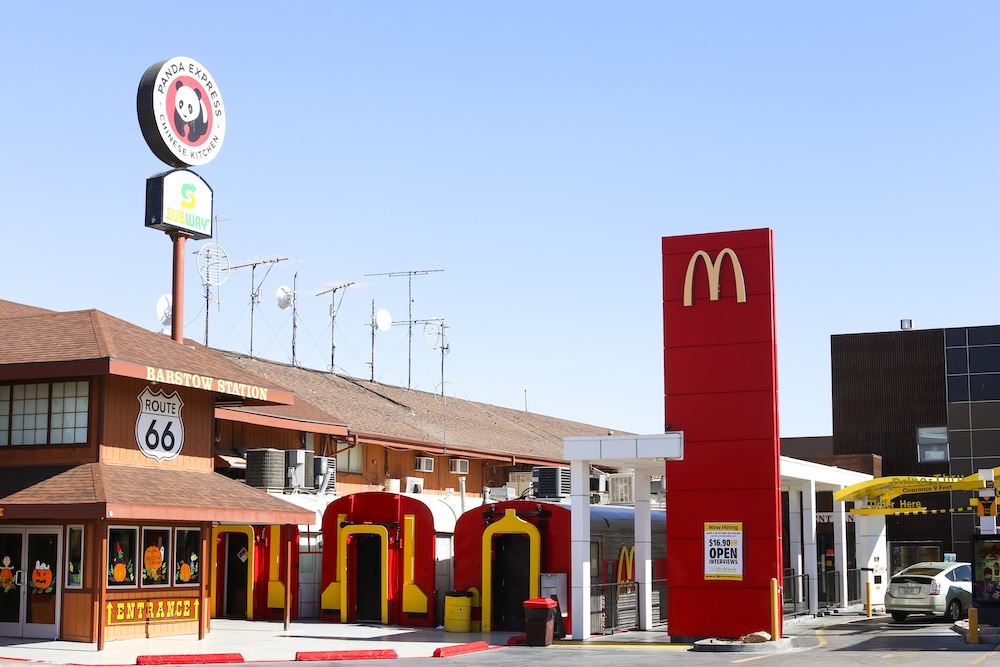
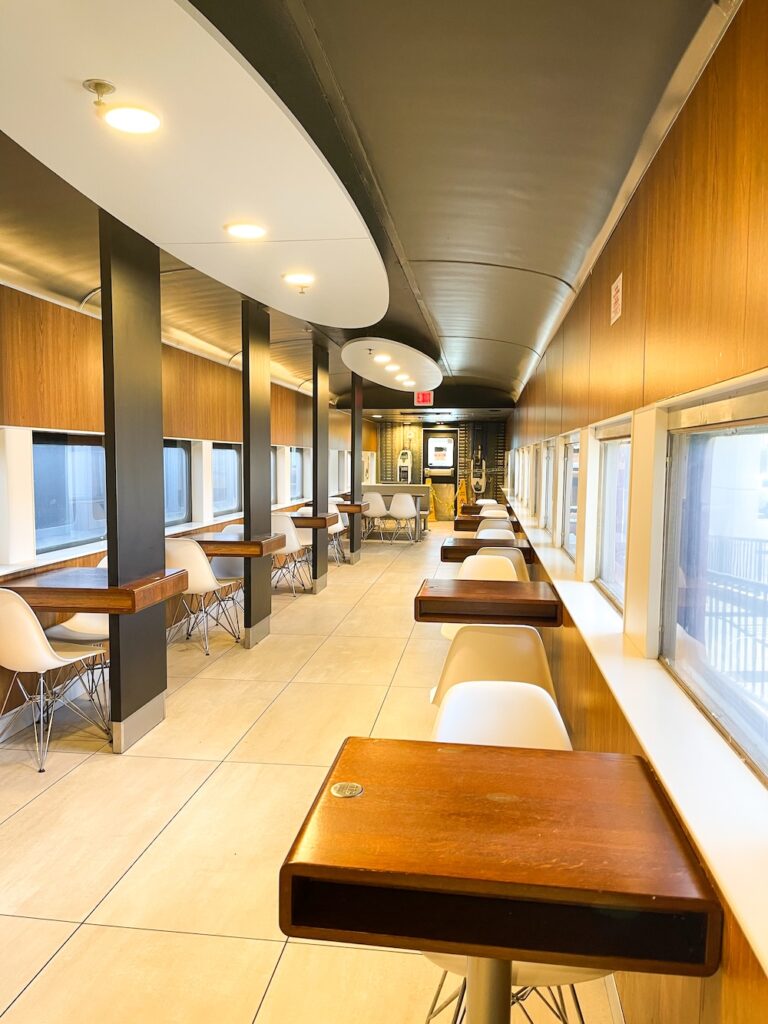
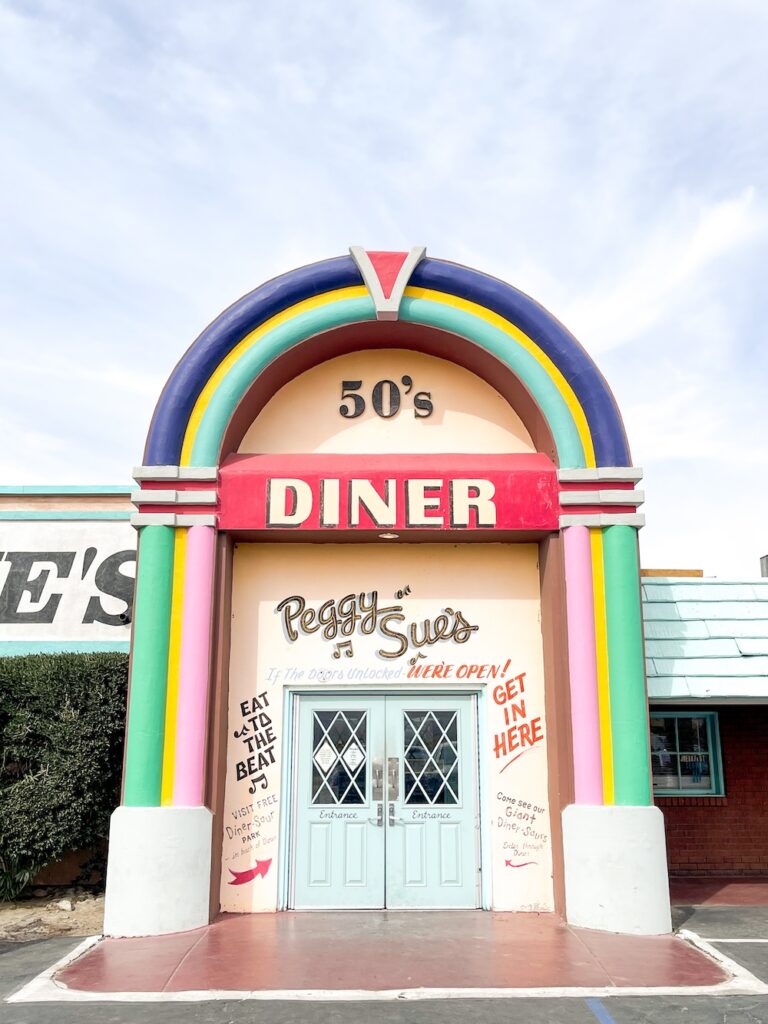
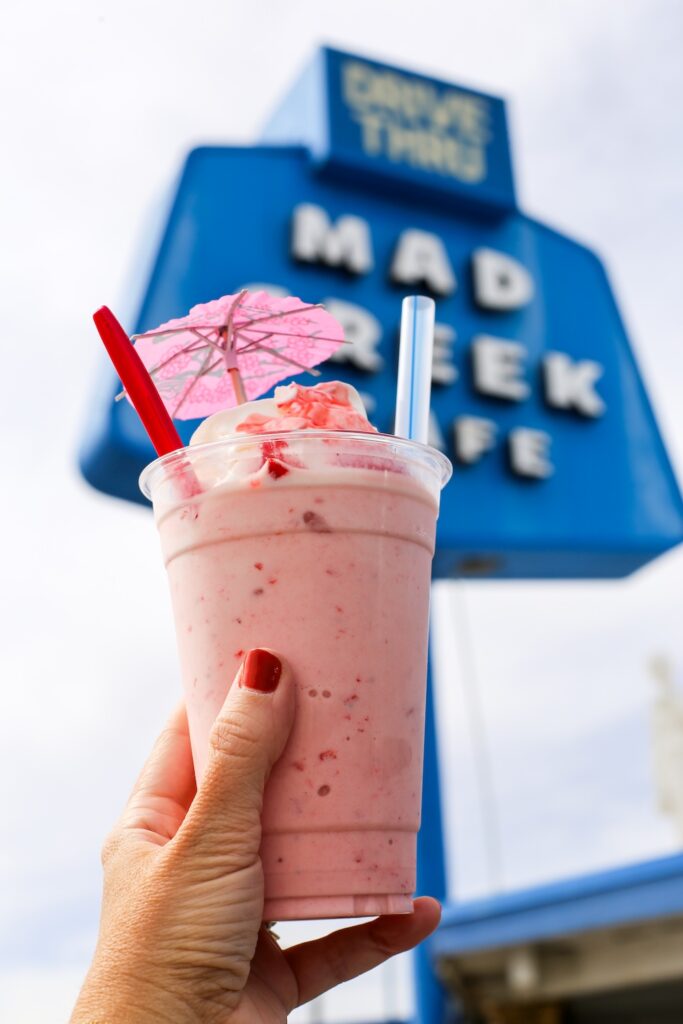
- Yermo: Peggy Sue’s Diner
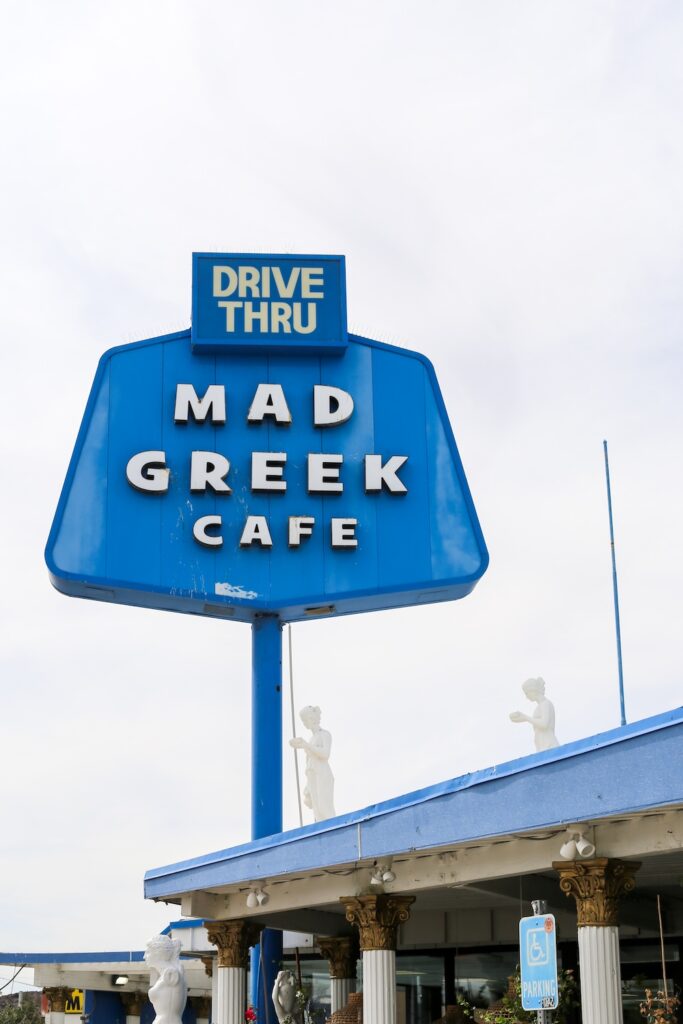
- Baker: Mad Greek Cafe
What Else to Do Nearby
If you want to turn your stop into a bigger desert adventure, there are several fun roadside attractions nearby.
If you’re road tripping between Los Angeles and Las Vegas, be sure to read my Ultimate Guide to the Best Stops Between Los Angeles and Las Vegas Road Trip. Or if you’re on a Route 66 trip, be sure to check out my Route 66 California post (coming soon)!
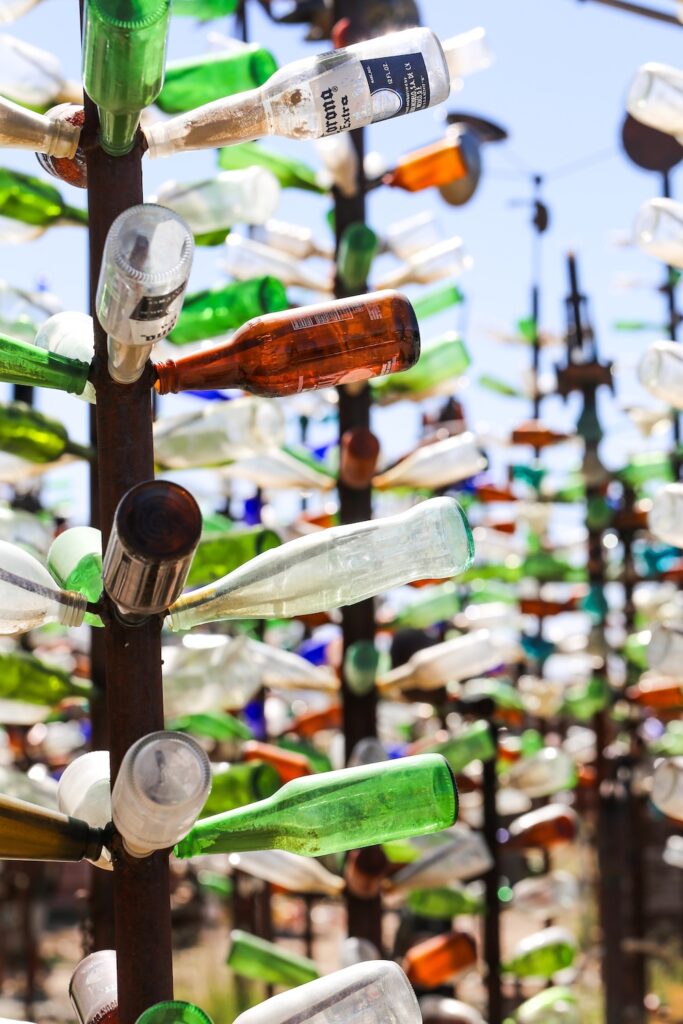
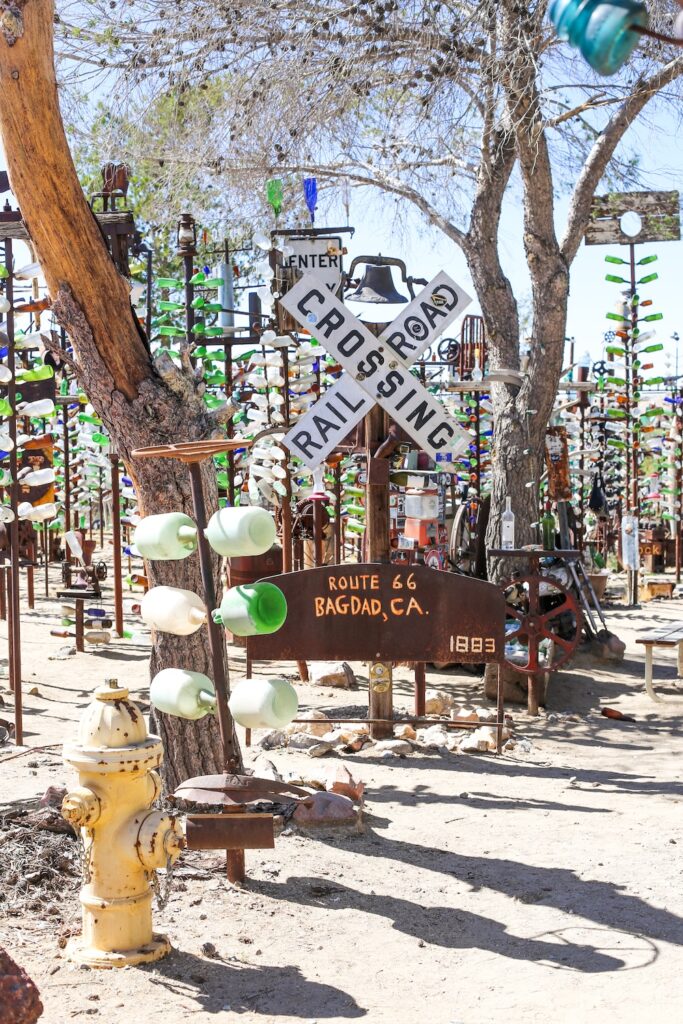
Elmer’s Bottle Tree Ranch
Elmer’s Bottle Tree Ranch is a wildly photogenic outdoor art installation made from metal “trees” decorated with colorful glass bottles.
Read More: Visit Elmer’s Bottle Tree Ranch along Route 66 in California

Original Del Taco Location
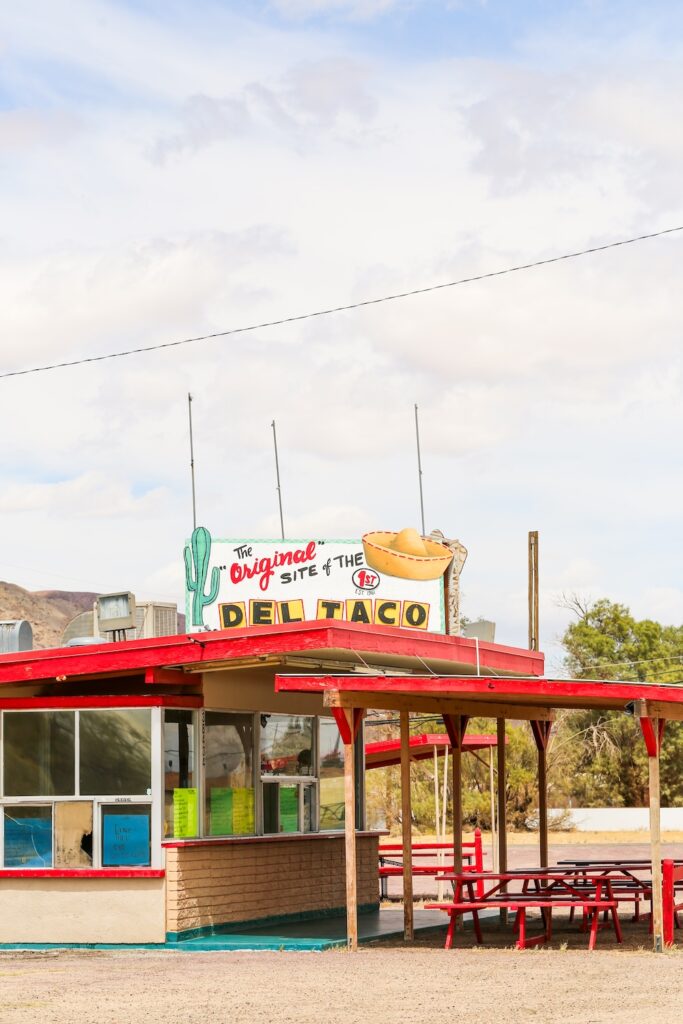
If you’re a die-hard Del Taco fan, stop and see the Original Del Taco location in Yermo.
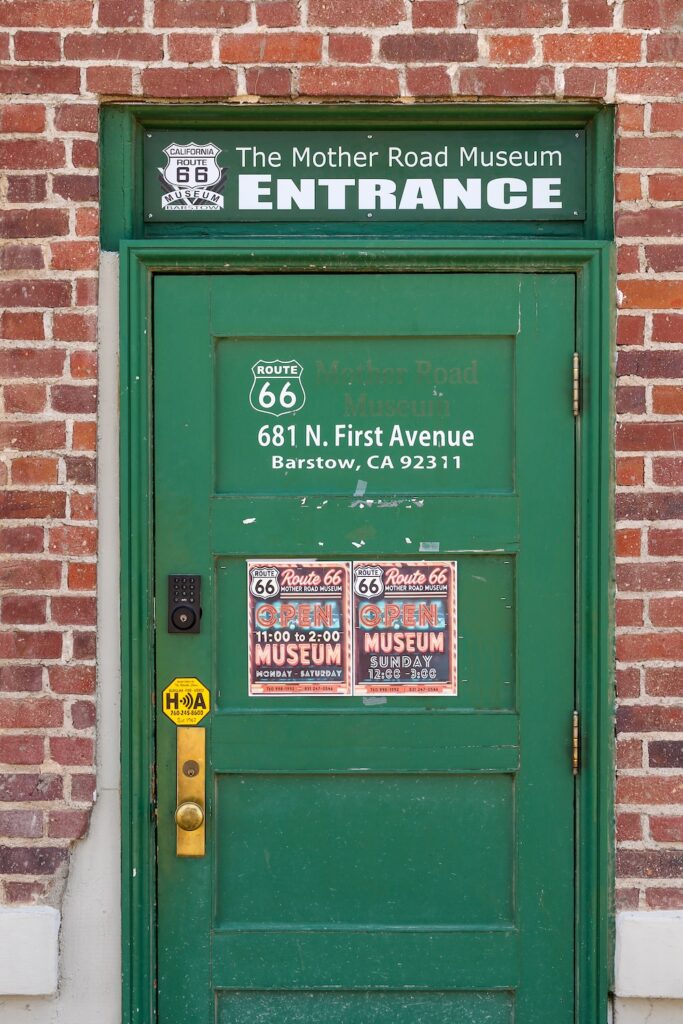
Route 66 Mother Road Museum
A fun museum dedicated to the history of Route 66.
Final Thoughts
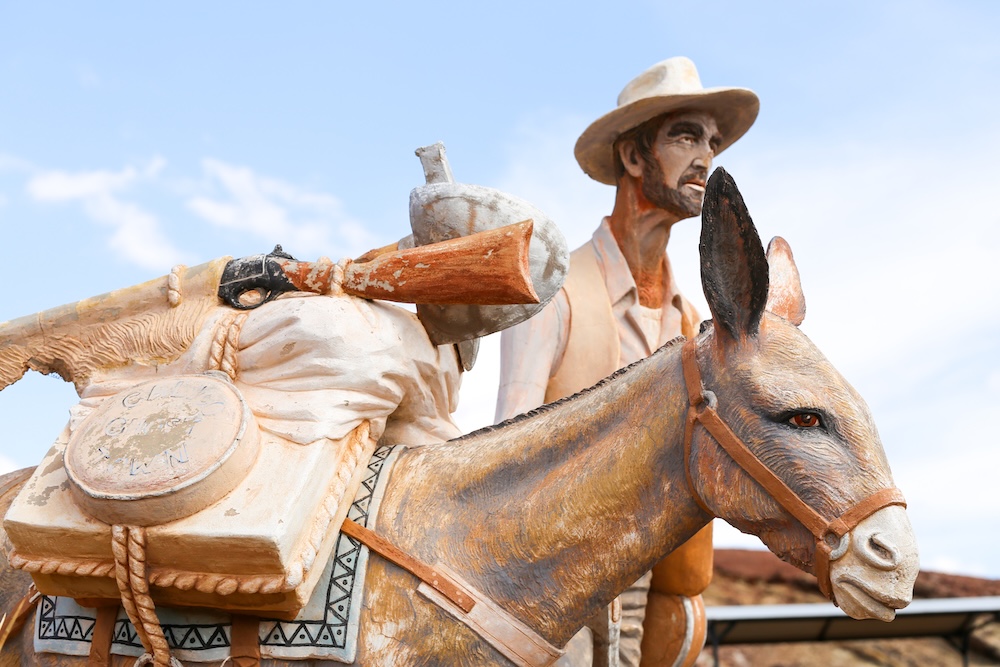
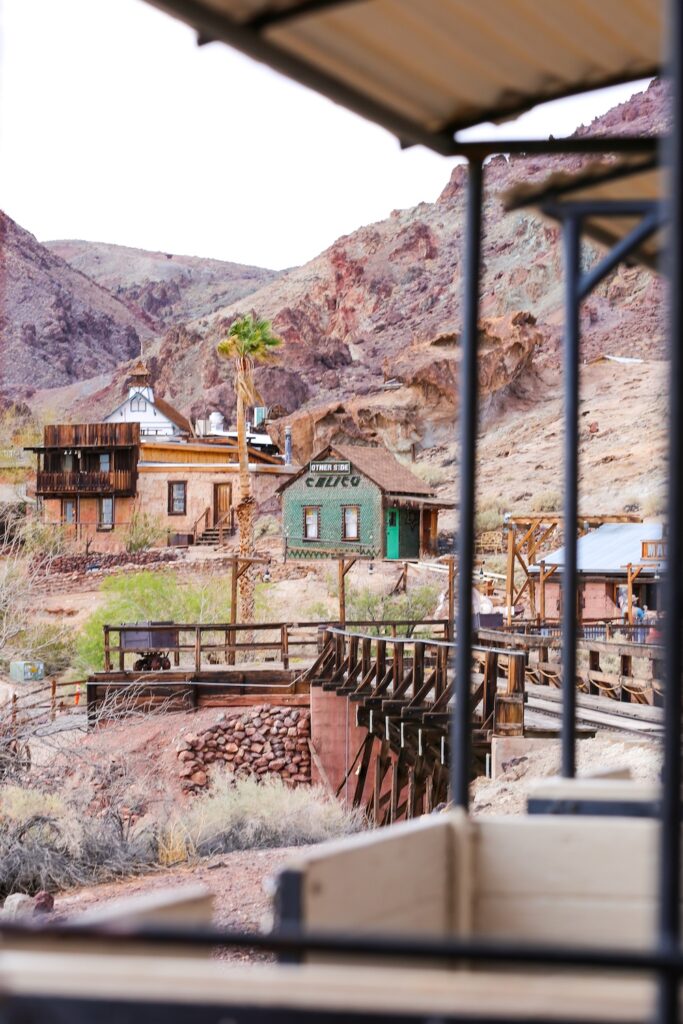
Calico Ghost Town is one of those wonderfully weird California roadside attractions that manages to be both touristy and genuinely historic at the same time.
It is easy to visit, full of character, and makes an excellent break during the long drive between Los Angeles and Las Vegas. Whether you are exploring the Maggie Mine, sipping sasparilla, riding the train, or taking goofy western photos, Calico delivers exactly the kind of dusty desert nostalgia you hope for from an old ghost town.
Shop My Travel Essentials!

Copyright Notice
All images and content are copyright-protected. Please do not use any images without prior permission. If you would like to share this story, please only use one image, use proper credit, and link directly back to this post and linking with my post title. Thank you!
Land Acknowledgement
Salty Canary wants to acknowledge that we live, operate, gather, and benefit every day on the traditional stolen lands of several Indigenous peoples and nations including the Tongva (Gabrieleno), Kizh (Gabrieleno), Chumash, Popeloutchom (Amah Mutsun), Ohlone, Awaswas, and Fernandeño Tataviam peoples who have stewarded the lands and waterways throughout their many generations in what is now the state of California. I wanted to personally acknowledge these Indigenous people and nations and both their commitment and current contributions to the land with a donation to the American Indian College Fund because acknowledgment without action does not begin to address the systemic issues facing Indigenous people. If you feel as though you benefit from the land you’re living on or traveling to and you have the means, I kindly ask that you donate to a Native-led organization such as the Native American Rights Fund or the American Indian College Fund.